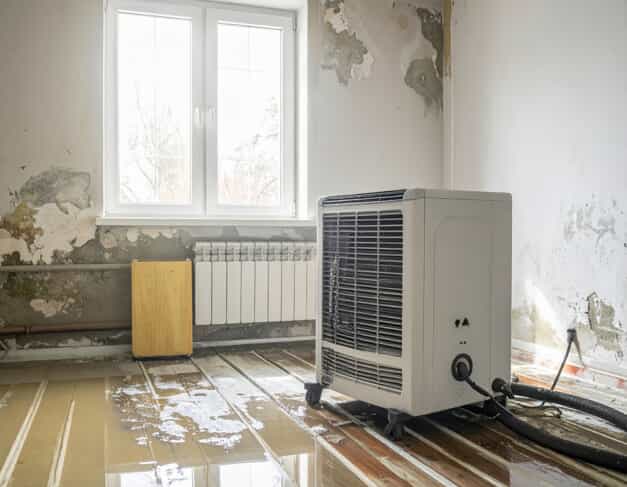
Water Damage Repair in Bayfront Homes in North Miami: Real-World Observations from Local Properties
North Miami’s bayfront properties are among the most sought-after real estate in South Florida, offering stunning views of Biscayne Bay, easy access to boating and water recreation, and luxurious living spaces. However, these homes face unique challenges due to their proximity to the water. Coastal humidity, storm surges, tidal fluctuations, and occasional flooding can cause significant water damage that requires professional attention.
For homeowners, landlords, and property managers, understanding water damage repair in bayfront homes is essential for protecting both structural integrity and indoor air quality. Drawing from real-world observations of local properties, this guide explores the causes, warning signs, repair processes, and preventive strategies for managing water damage in North Miami bayfront residences.
Why Bayfront Homes Are Vulnerable to Water Damage
Water damage in North Miami bayfront properties often results from a combination of environmental and structural factors:
- Coastal Humidity and Salt Air
- The proximity to Biscayne Bay creates consistently high humidity levels that permeate walls, ceilings, and flooring.
- Salt-laden air accelerates corrosion of metal fixtures, plumbing, and HVAC components.
- Storm Surges and Heavy Rainfall
- Tropical storms and seasonal rainfall can overwhelm drainage systems and flood lower-level spaces.
- Even minor flooding can seep into attics, crawl spaces, and basements, leading to hidden water damage.
- Aging Infrastructure
- Older homes may have original plumbing, roofing, and window seals that are prone to leaks.
- Leaks from plumbing or roofing can remain undetected behind walls or under flooring for months.
- AC and HVAC Systems
- Coastal air contributes to condensation in air conditioning units and ductwork.
- Improperly maintained AC systems can exacerbate moisture issues within the home.
- Structural Design Factors
- Slab foundations, crawl spaces, and older framing materials are particularly susceptible to water infiltration.
- Waterfront homes with lower elevations are at increased risk during heavy rains or minor tidal flooding.
Common Signs of Water Damage in Bayfront Homes
Detecting water damage early is crucial to minimize repair costs and prevent mold growth. Homeowners and property managers should watch for:
- Discoloration or staining on walls and ceilings
- Bubbling, peeling, or warped paint and wallpaper
- Soft, spongy, or buckling floors, especially near entryways or bathrooms
- Persistent musty or mildew odors
- Condensation on windows, doors, or AC vents
- Increased allergy or respiratory symptoms among residents
- Visible mold growth in basements, attics, closets, or behind furniture
Many of these signs indicate that moisture has penetrated structural materials and requires professional intervention.
Hidden Sources of Moisture
Bayfront homes often harbor hidden moisture that can worsen over time if not addressed:
- Attics and Crawl Spaces: Limited ventilation allows water to accumulate unnoticed.
- HVAC Ductwork: Condensation and dust buildup can harbor mold and mildew.
- Wall Cavities: Plumbing leaks or water intrusion behind drywall can remain concealed for months.
- Under Flooring: Hardwood, laminate, or carpet may trap water from flooding or spills.
- Window and Door Frames: Old seals allow moisture to enter wall cavities, encouraging mold growth.
Identifying these hidden areas is crucial, often requiring moisture meters, thermal imaging, or professional inspections.
The Water Damage Repair Process
Professional water damage repair in North Miami bayfront homes typically follows a structured, real-world approach:
Step 1: Assessment and Inspection
- Evaluate visible and hidden water intrusion.
- Identify areas of structural concern, including flooring, drywall, and framing.
- Inspect HVAC systems, attics, crawl spaces, and lower-level spaces.
Step 2: Water Extraction
- Remove standing water using industrial-grade pumps, wet vacuums, and submersible equipment.
- Rapid extraction minimizes damage to flooring, furniture, and walls.
Step 3: Drying and Dehumidification
- Employ air movers, dehumidifiers, and heaters to remove residual moisture.
- Ensure walls, floors, and structural components reach safe moisture levels to prevent mold growth.
Step 4: Mold Prevention and Treatment
- Apply antimicrobial or antifungal solutions to water-affected areas.
- Treat HVAC ducts and components if condensation or flooding has occurred.
Step 5: Structural Repairs and Restoration
- Replace or repair damaged drywall, insulation, flooring, and trim.
- Reinforce structural elements weakened by prolonged water exposure.
- Repaint, reseal, and restore surfaces while addressing future moisture risks.
Step 6: Post-Repair Verification
- Conduct follow-up inspections to confirm that moisture levels are stable and mold risks are mitigated.
- Test indoor air quality if mold or lingering odors were present.
Real-World Observations from North Miami Bayfront Properties
Local experience demonstrates several key insights for water damage repair in waterfront homes:
- Hidden Moisture is Common: Water intrusion often occurs behind walls, under floors, and in attics, requiring specialized detection tools.
- Rapid Response is Crucial: Timely water removal and drying prevent mold, mildew, and structural deterioration.
- Coastal Factors Intensify Risks: Salt-laden air and high humidity accelerate corrosion and promote microbial growth.
- Integrated Approach Works Best: Combining water extraction, drying, mold prevention, and HVAC inspection produces the best long-term outcomes.
- Older and Elevated Homes Require Special Attention: Aging materials, slab foundations, and crawl spaces often conceal moisture that could compromise structural integrity.
Preventive Strategies for Bayfront Homeowners
Effective water damage prevention in coastal homes involves proactive maintenance:
- Regular Inspections
- Monitor roofs, gutters, plumbing, and window seals for leaks.
- Check attics, crawl spaces, and lower-level areas after storms or heavy rain.
- HVAC Maintenance
- Clean coils, drip pans, and ductwork annually.
- Ensure condensate lines are clear and functioning.
- Humidity Control
- Maintain indoor relative humidity below 55%.
- Use dehumidifiers in basements, bathrooms, and attics.
- Prompt Water Intrusion Response
- Address leaks and flooding immediately to prevent mold and structural damage.
- Dry affected areas within 24–48 hours.
- Storm Preparation
- Secure windows, doors, and roofing before storms.
- Elevate sensitive materials and valuables in flood-prone areas.
- Occupant Awareness
- Educate residents or tenants about signs of water intrusion, musty odors, and visible moisture.
Challenges Unique to Bayfront Properties
Water damage repair in coastal North Miami homes presents challenges:
- Salt Exposure: Accelerates corrosion in metal ducts, plumbing, and fixtures.
- Hidden Moisture: Can persist behind walls, under flooring, or in crawl spaces.
- High Humidity: Slows drying times and encourages microbial growth.
- Stormwater Intrusion: Flooding from tides or heavy rains requires rapid response.
- Older Construction Materials: Wood framing, plaster, and insulation may be more susceptible to prolonged water damage.
Benefits of Timely Water Damage Repair
Rapid intervention in water-damaged bayfront homes provides multiple advantages:
- Minimizes risk of mold growth and related health issues
- Reduces structural deterioration of wood, drywall, and flooring
- Preserves HVAC system efficiency and prevents duct contamination
- Maintains property value and avoids costly long-term repairs
- Enhances indoor air quality and resident comfort
Practical Recommendations
- Conduct professional water damage inspections after storms, leaks, or AC issues.
- Remove standing water immediately with professional-grade extraction equipment.
- Dry affected areas thoroughly using air movers, dehumidifiers, and heaters.
- Apply antimicrobial treatments to prevent mold growth.
- Inspect and maintain HVAC systems regularly.
- Monitor moisture levels and indoor air quality post-repair.
- Educate occupants about early warning signs such as odors, discoloration, or condensation.
By combining prompt water removal with preventive strategies and professional maintenance, bayfront homeowners in North Miami can safeguard their properties from the unique challenges posed by coastal living, ensuring both structural integrity and a healthy indoor environment.