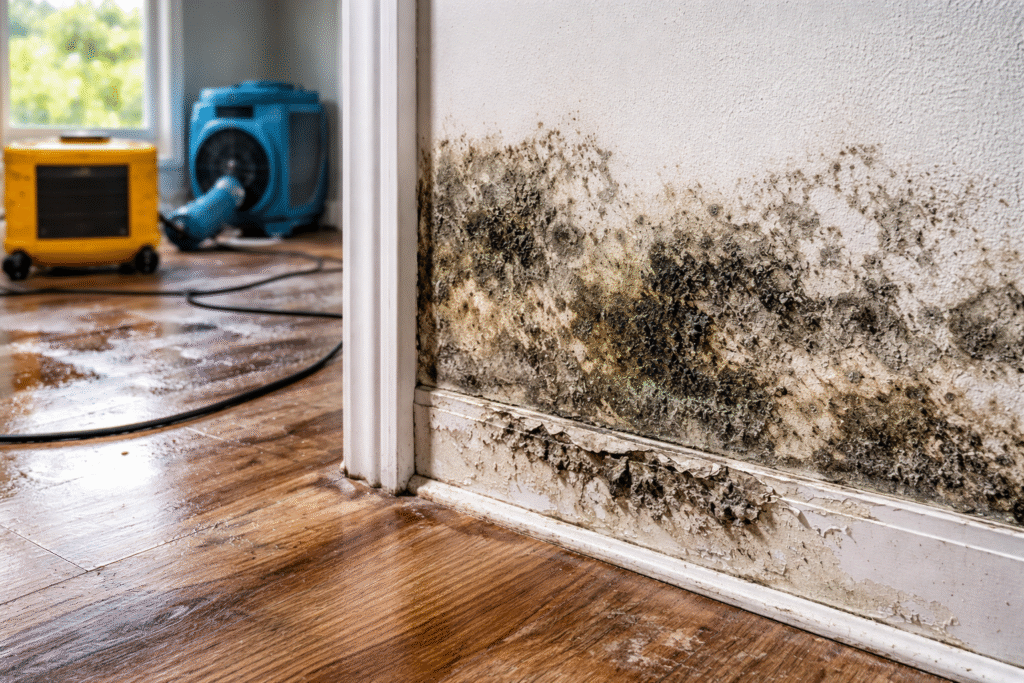
Understanding Mold Removal in Miami Shores After Heavy Rain
Living in Miami Shores means enjoying tree-lined streets, older character homes, and close proximity to Biscayne Bay. It also means learning to live with Florida’s intense rainy seasons, sudden downpours, and lingering humidity that often follow storms. After heavy rain, mold problems become one of the most common — and misunderstood — issues homeowners and property managers face in this area.
As a local restoration professional working throughout Miami Shores, North Miami, North Miami Beach, Surfside, Biscayne Park, Aventura, and nearby bayfront neighborhoods, I regularly see how fast moisture-related problems can turn into full mold remediation projects when they are overlooked for even a short time. Tip Top Water and Fire Damage Restoration is one of the trusted local companies residents rely on when water intrusion and mold issues appear after severe weather.
Understanding how mold removal actually works — and why it is especially important after heavy rain in Miami Shores — can help you protect your home, avoid unnecessary repairs, and make smarter decisions when moisture problems show up.
What the Mold Issue Is
Mold is a natural organism that exists everywhere in South Florida’s air. It only becomes a problem when it finds steady moisture and organic material inside a structure.
After heavy rain, water can enter homes through roof leaks, aging window seals, slab foundation cracks, wall penetrations, or saturated landscaping that pushes moisture through exterior walls. Once water reaches drywall, wood framing, insulation, carpet, or baseboards, mold can begin forming within a short period.
In Miami Shores homes, mold is most often discovered on interior wall surfaces, inside closets, behind cabinets, beneath flooring, and inside air conditioning systems after a storm event.
The real issue is not just visible mold growth. It is the trapped moisture inside building materials that continues feeding hidden colonies long after the rain has stopped.
Why This Happens So Often in Miami Shores
Miami Shores sits close to Biscayne Bay and experiences a combination of heavy rainfall, warm temperatures, and persistent coastal humidity. These conditions create the perfect environment for moisture to remain trapped inside structures.
Many homes in this area were built decades ago. While they have solid construction, they were not designed for today’s extreme rainfall patterns or modern indoor humidity loads created by constant air conditioning use.
Common local factors include:
- Older roof assemblies and flashing systems
- Original or aging windows and sliding doors
- Slab-on-grade foundations that allow moisture vapor intrusion
- Poor drainage around properties
- Flat or low-slope roofs
- Long AC run times that create heavy condensation
Even in newer construction, moisture intrusion still occurs due to building envelope gaps, improperly sealed penetrations, or improperly sloped exterior surfaces.
Common Signs Homeowners Notice
After heavy rain, homeowners in Miami Shores often start noticing small but important warning signs.
Some of the most common include:
- A musty smell that lingers after the storm
- Discoloration on ceilings or walls
- Warped baseboards or swelling around door frames
- Carpet that feels damp days after rain
- Peeling paint or bubbling drywall
- Air conditioning vents releasing a stale or earthy odor
- Persistent humidity indoors even with the AC running
These signs do not always mean mold is already widespread, but they almost always indicate a moisture problem that can quickly turn into mold growth if left unaddressed.
Hidden or Overlooked Sources
One of the biggest challenges with post-rain mold problems is that the true source is often concealed.
In Miami Shores homes, we frequently find hidden moisture in:
- Wall cavities behind exterior walls
- Beneath tile and wood flooring
- Inside bathroom and kitchen cabinets
- Attics where roof leaks slowly drip onto insulation
- Inside AC return plenums and supply ducts
- Beneath carpeting in bedrooms and living rooms
- Around window frames and sliding door tracks
These areas can remain damp for weeks without visible signs on the surface.
That is why moisture detection and proper inspection are just as important as visible mold removal.
Why DIY Mold Removal Usually Fails
It is very common for homeowners to attempt cleaning visible mold using household products after heavy rain. While surface cleaning may temporarily improve appearance, it rarely solves the real problem.
DIY methods fail because:
- They do not address hidden moisture inside materials
- They cannot confirm whether mold is growing inside walls or ductwork
- They often spread spores during improper cleaning
- They do not include proper containment
- They ignore the underlying water intrusion source
Without moisture control and professional drying, mold will usually return — sometimes in areas you cannot see.
Professional Mold Inspection & Testing Explained
A proper mold inspection after heavy rain in Miami Shores focuses first on moisture — not just mold.
Professional inspections typically include:
- Infrared thermal imaging to identify cooler, damp areas
- Moisture meter readings inside walls, ceilings, and floors
- Visual inspection of high-risk areas
- Inspection of HVAC systems and ductwork
- Evaluation of attic and crawl spaces when accessible
- Identification of water intrusion pathways
Mold testing may be performed when necessary to help understand the extent and type of contamination, especially in rental properties, multi-unit buildings, or insurance-related situations.
The most important outcome of an inspection is a clear remediation plan that focuses on stopping moisture and preventing recurrence.
Proper Mold Removal & Remediation Process
Effective mold remediation in Miami Shores follows a structured process designed to protect the rest of the home and eliminate the moisture source.
A professional remediation project typically includes:
- Establishing proper containment to prevent cross-contamination
- Using negative air filtration
- Removing affected porous materials when necessary
- Cleaning and treating non-porous and semi-porous surfaces
- HEPA vacuuming all impacted areas
- Applying professional antimicrobial treatments
- Controlled drying of building materials
- Post-remediation verification
The goal is not only to remove visible mold but to stabilize moisture conditions so the environment no longer supports growth.
Flood Restoration & Water Damage Repair
After heavy rain, mold problems are often directly tied to water intrusion or localized flooding.
Water damage restoration may involve:
- Emergency water removal
- Carpet extraction and drying
- Structural drying of walls and subfloors
- Dehumidification
- Leak detection and repair coordination
- Replacement of damaged drywall, baseboards, and insulation
- Post-drying moisture verification
In Miami Shores and surrounding communities such as Biscayne Park, North Miami, and Surfside, flood restoration and mold remediation are often closely connected services because moisture rarely stays confined to one area.
Air Ducts, AC Systems & Mold
Air conditioning systems play a major role in mold problems after heavy rain.
High outdoor humidity, long cooling cycles, and condensation inside air handlers can introduce moisture into duct systems. When duct insulation becomes damp, mold growth can occur inside supply lines and return plenums.
Common post-rain HVAC issues include:
- Condensation buildup inside air handlers
- Clogged drain lines
- Improperly sloped drain pans
- Poorly sealed return ducts pulling in humid attic air
Professional air duct cleaning and moisture control help prevent mold from being distributed through the home.
How to Prevent Mold in Miami Shores Homes
While it is impossible to eliminate mold spores entirely, homeowners can significantly reduce risk after heavy rain.
Helpful prevention steps include:
- Inspect your property exterior after major storms
- Clear roof drains and gutters regularly
- Maintain proper grading away from the foundation
- Seal window and door frames
- Schedule regular AC maintenance
- Keep indoor humidity controlled
- Address water leaks immediately
- Monitor closets and guest rooms that stay closed for long periods
Routine home maintenance related to moisture control is one of the most effective ways to prevent expensive remediation projects.
Why Local Experience Matters
Miami Shores homes face different moisture challenges than inland properties.
Local experience matters because professionals familiar with coastal neighborhoods understand:
- Typical water intrusion patterns during tropical rain events
- Common construction methods used in older Miami Shores homes
- How salt air affects building materials
- How bayfront humidity influences indoor moisture behavior
- How slab foundations and low elevations complicate drying
Tip Top Water and Fire Damage Restoration has firsthand experience working in Miami Shores, North Miami Beach, Sunny Isles Beach, Aventura, Bal Harbour, Miami Shores, Surfside, and nearby bayfront communities. This local knowledge allows remediation plans to be tailored to real conditions rather than generic industry assumptions.
Calm, Trust-Based Call to Action
If your Miami Shores home experienced heavy rain and you are noticing moisture issues, odors, or signs of mold growth, the most important step is understanding what is happening behind the surfaces. A proper inspection can help determine whether moisture is still present and whether professional mold removal or water damage restoration is needed.
Early evaluation helps prevent small moisture problems from turning into major structural and indoor air quality issues — and gives you clarity about what your home truly needs after a storm.