
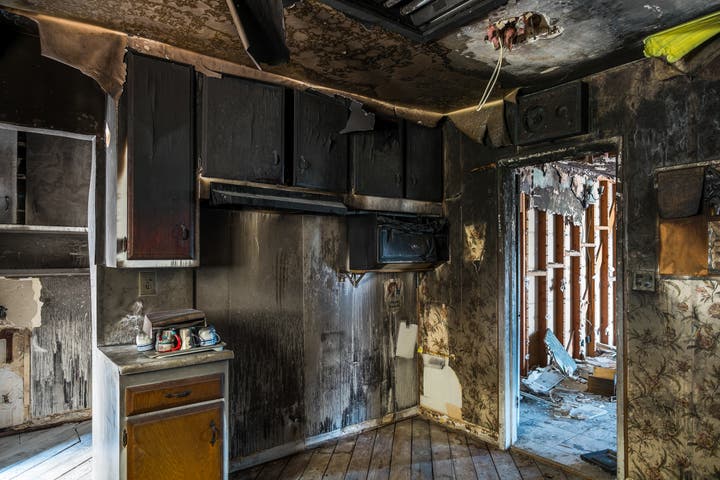
Smart Planning for Long-Term Protection: Fire Damage Restoration Challenges in Miami Shores
Miami Shores is known for its quiet residential streets, mature trees, and historic homes located just north of Miami’s busy urban center. While many homeowners focus on protecting their properties from storms and flooding, fire damage remains an often-overlooked threat. When a fire occurs, the visible destruction is only part of the challenge. Smoke, soot, water from firefighting efforts, and structural weaknesses create long-term restoration concerns that require careful planning.
Understanding the restoration challenges that follow fire damage helps Miami Shores homeowners protect their properties and reduce long-term risks. Smart planning and proper restoration efforts ensure homes recover safely and remain protected well into the future.
Understanding Fire Damage Beyond the Flames
Many people assume fire damage ends once flames are extinguished. In reality, the damage continues long after the fire is out. Fire affects nearly every part of a structure.
Flames directly damage walls, ceilings, roofing, and structural components, but smoke and soot travel far beyond the burned area. Smoke infiltrates ventilation systems, settles into fabrics and insulation, and leaves corrosive residues on surfaces.
At the same time, firefighting efforts introduce large amounts of water into the property, leading to additional moisture damage and mold risks if drying does not begin quickly.
Fire restoration must address all of these issues, not just burned materials.
Why Fire Restoration Is Challenging in Miami Shores Homes
Miami Shores features many older homes with unique architecture and building materials. While charming, older construction sometimes complicates restoration efforts.
Several local factors increase restoration challenges:
• Older electrical systems in historic homes
• Wood framing vulnerable to structural weakening
• Older insulation materials trapping smoke odors
• Coastal humidity slowing drying after firefighting efforts
• Close proximity between homes increasing fire spread risks
• Complex renovations in updated older homes
Older homes may also contain hidden voids and crawl spaces where smoke and soot travel undetected, complicating cleanup.
Immediate Damage Homeowners Notice After a Fire
After a fire event, damage is often visible, but some issues appear gradually in the days following the incident.
Common immediate signs include:
• Burned or charred structural materials
• Heavy smoke odors
• Soot residue covering surfaces
• Broken windows or roof damage
• Water pooling from firefighting efforts
• Damaged electrical systems
However, many hidden problems become noticeable later, especially moisture and odor issues.
Hidden Damage That Appears Later
Some of the most serious fire-related damage is not visible right away. Restoration professionals often discover hidden problems during inspections.
Common hidden issues include:
• Smoke infiltration inside wall cavities
• Soot buildup inside duct systems
• Water trapped beneath flooring
• Mold growth beginning after water exposure
• Corrosion damage from acidic soot residues
• Structural weakening inside framing
Without professional inspection and restoration, these issues can worsen over time.
Water Damage Adds Another Restoration Challenge
Firefighting efforts use large volumes of water to extinguish flames. While necessary, this water often causes additional damage.
Water spreads through floors, walls, and insulation, sometimes affecting areas untouched by fire. In Miami Shores’ humid climate, wet materials dry slowly, increasing mold growth risks.
Professional restoration must include:
• Water extraction
• Structural drying
• Moisture monitoring
• Removal of damaged materials
Addressing water damage quickly prevents secondary problems that complicate recovery.
Why DIY Fire Cleanup Is Not Effective
Homeowners sometimes try cleaning soot or smoke odors themselves. While surface cleaning helps appearance, it rarely resolves deeper contamination.
DIY cleanup usually fails because:
• Smoke particles remain trapped in porous materials
• Odors return after incomplete cleaning
• Soot continues corroding surfaces
• Hidden moisture remains untreated
• HVAC systems continue spreading contaminants
Professional restoration equipment and cleaning solutions are required to fully remove smoke contamination.
Professional Fire Damage Restoration Process
Fire restoration involves multiple stages to return homes to safe living conditions.
A typical restoration process includes:
• Damage assessment and safety inspection
• Removal of burned or unstable materials
• Soot and smoke residue cleanup
• Deep cleaning of affected surfaces
• Odor removal treatments
• Water extraction and drying
• Structural repairs and rebuilding
Restoration professionals such as Tip Top Water and Fire Damage Restoration regularly assist Miami Shores homeowners by managing these steps carefully to ensure safe recovery.
Smoke and Odor Removal Challenges
Smoke odors are among the most persistent problems after fires. Smoke particles penetrate furniture, insulation, and ventilation systems.
If not removed properly, odors may return repeatedly, even months later.
Professional restoration often uses:
• Specialized air filtration equipment
• Thermal fogging treatments
• Ozone or hydroxyl odor neutralization
• Deep cleaning of duct systems
Removing odor sources completely improves comfort and indoor air quality.
HVAC Systems Often Spread Smoke Contamination
When fires occur, smoke frequently enters air ducts and spreads throughout the home before the system is shut down.
Contaminated duct systems continue circulating soot particles and odors, affecting areas not directly touched by fire.
Professional duct inspection and cleaning are often required to restore healthy airflow after fire damage.
Long-Term Protection Planning After Restoration
Once restoration is complete, homeowners should consider steps that reduce future fire risks and improve home safety.
Long-term protection measures include:
• Updating older electrical systems
• Installing modern smoke detectors
• Maintaining fire extinguishers in key areas
• Inspecting HVAC and electrical equipment regularly
• Keeping dryer vents clean
• Checking kitchen appliances and wiring
Routine inspections help prevent future fire events and reduce risks.
Why Local Restoration Experience Matters
Fire restoration in Miami Shores requires understanding local building styles and coastal climate effects. Humidity, construction age, and home layouts influence how damage spreads and how drying must be handled.
Professionals familiar with Miami Shores properties recognize common structural patterns and restoration challenges. Their experience helps ensure safe recovery while preserving home character.
Tip Top Water and Fire Damage Restoration regularly works throughout Miami Shores and surrounding communities, providing restoration services suited to local environmental conditions.
Acting Quickly Helps Homes Recover Faster
Fire damage is overwhelming, but proper planning and professional restoration make recovery possible. Acting quickly after a fire prevents further structural damage, mold growth, and odor problems.
Homeowners who address fire damage thoroughly can restore safety, comfort, and property value. Smart restoration planning ensures Miami Shores homes remain protected long after recovery is complete.