How Coastal Weather Influences Black Mold Removal in Bayfront Homes in North Miami
Living in a bayfront home in North Miami has its advantages—water views, ocean breezes, and a relaxed coastal atmosphere. But coastal living also brings a unique set of challenges, especially when it comes to moisture and mold. Black mold, in particular, becomes a recurring concern in properties close to Biscayne Bay, where humidity, salt air, and frequent storms create ideal conditions for growth.
Understanding how coastal weather influences mold problems is important for homeowners, landlords, and property managers who want to protect their property and avoid costly repairs.
What Black Mold Is and Why It Develops
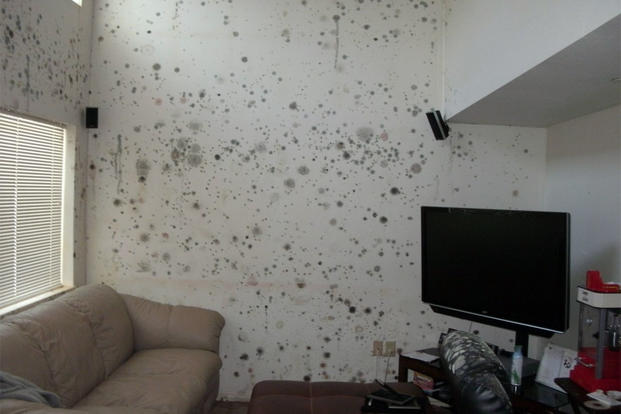
Black mold is a type of mold that thrives in damp, warm, and poorly ventilated environments. It often appears as dark patches on drywall, ceilings, baseboards, or inside HVAC systems.
In bayfront homes, the issue is rarely caused by just one factor. Instead, mold growth usually results from a combination of moisture intrusion, humidity buildup, and materials that stay damp longer than expected.
Drywall, wood framing, insulation, and carpeting are especially vulnerable when exposed to moisture for extended periods.
Why Coastal Weather in North Miami Creates Ideal Conditions
Coastal weather plays a major role in mold formation. In North Miami and surrounding areas like Miami Shores, Bal Harbour, and Sunny Isles Beach, several environmental factors contribute to the problem.
High Humidity
Humidity levels often remain high throughout the year. Even without visible leaks, indoor moisture can accumulate inside walls, ceilings, and ductwork.
Salt Air and Moisture
Salt air carries moisture into homes through small gaps, attic vents, and open windows. Over time, this increases indoor humidity and slows the drying of materials.
Heavy Rainstorms
Seasonal storms and sudden downpours frequently cause roof leaks, window seepage, or minor flooding in bayfront neighborhoods.
AC Condensation
Air conditioning systems run constantly in South Florida. When drainage lines clog or ducts accumulate condensation, moisture can spread unnoticed.
These factors make mold removal in coastal homes more complex than in inland properties.
Common Signs Homeowners Notice
Black mold often develops quietly before becoming visible. In many North Miami homes, the first warning signs are subtle.
Homeowners frequently notice:
- Musty or damp odors that persist
- Dark spots near ceiling corners or baseboards
- Peeling paint or bubbling drywall
- Warped trim or swollen wood
- Increased allergy-like irritation indoors
Because humidity can hide moisture damage, visible mold often appears only after growth has already spread behind surfaces.
Hidden or Overlooked Sources of Moisture
One of the biggest challenges in bayfront homes is identifying the true moisture source. Mold removal efforts often fail when underlying causes are overlooked.
Common hidden sources include:
- Condensation inside air ducts
- Minor roof flashing leaks
- Window frame seepage during storms
- Wet insulation in attics
- Plumbing leaks behind walls
- Crawl space humidity
Even small moisture pockets can support mold growth if airflow is limited.
Why DIY Mold Removal Usually Fails
Many property owners try to remove mold using household cleaners or surface treatments. While this may temporarily improve appearance, it rarely solves the root problem.
DIY cleaning typically fails because:
- Mold roots remain inside porous materials
- Moisture sources are not identified
- Hidden growth behind drywall continues spreading
- Airborne spores settle in other areas
Without addressing humidity and moisture pathways, mold often returns within weeks or months.
Professional Mold Inspection and Testing Explained
A proper mold inspection focuses on locating moisture first. In coastal environments, this step is critical.
Inspection methods often include:
- Moisture mapping of walls and flooring
- Infrared scanning for hidden damp areas
- Checking HVAC systems and ducts
- Evaluating attic and crawl space ventilation
- Identifying intrusion points around windows and roofing
Testing may also be performed to confirm the type and extent of mold present.
Professionals familiar with coastal homes understand how weather patterns, humidity, and construction styles influence moisture behavior. Companies like Tip Top Water and Fire Damage Restoration often see recurring mold issues in bayfront homes where ventilation and salt air exposure combine.
Proper Black Mold Removal and Remediation Process
Effective mold removal involves more than cleaning visible areas. The process usually includes several steps designed to prevent recurrence.
Typical remediation steps include:
- Containment of affected areas
- Removal of contaminated materials when necessary
- Cleaning and treatment of structural surfaces
- Drying and dehumidification
- Air filtration to reduce airborne spores
- Repair of moisture sources
Drying is especially important in coastal homes, where humidity slows evaporation.
Flood Restoration and Water Damage Repair in Coastal Homes
Storm surge and heavy rainfall occasionally lead to indoor flooding in areas near Biscayne Park and Surfside. Even minor flooding can saturate flooring, drywall, and insulation.
If materials are not dried quickly, mold growth may begin within days.
Flood restoration typically involves:
- Water extraction
- Structural drying
- Removal of damaged materials
- Odor control
- Moisture monitoring
Proper drying equipment and airflow management are essential to prevent mold from developing after water damage.
Air Ducts, AC Systems, and Mold Growth
HVAC systems often contribute to mold problems in North Miami homes.
Condensation inside ducts or air handlers creates ideal conditions for mold colonies, especially when filters are not changed regularly or ducts accumulate debris.
Signs of duct-related mold issues include:
- Musty odors when AC runs
- Uneven cooling
- Increased indoor humidity
- Visible dust buildup near vents
Air duct cleaning and moisture control can significantly improve indoor air conditions and reduce mold risk.
How to Prevent Mold in Bayfront Homes
Preventing mold in coastal properties requires consistent moisture management.
Practical steps include:
- Keeping indoor humidity below 60%
- Inspecting roofs and windows after storms
- Cleaning AC drain lines regularly
- Using dehumidifiers in humid seasons
- Ensuring attic ventilation is adequate
- Addressing minor leaks immediately
Routine inspections are particularly important in older homes near the water, where building materials may absorb moisture more easily.
Why Local Experience Matters
Mold behavior in coastal environments differs from inland regions. High humidity, salt air, and year-round AC usage create unique moisture patterns.
Professionals familiar with North Miami, Aventura, and Sunny Isles Beach understand these local factors and know where hidden moisture is most likely to occur.
Local experience often means faster detection, more effective remediation, and longer-lasting results.
A Calm, Practical Approach for Homeowners
Black mold in bayfront homes can feel overwhelming, but most problems can be resolved when moisture sources are identified early and proper remediation steps are followed.
Regular inspections, attention to ventilation, and quick response to leaks go a long way toward protecting your property.
When mold issues appear, addressing both the visible growth and the underlying moisture is the key to keeping homes in North Miami safe, comfortable, and structurally sound.