Understanding Fire Damage Restoration in Sunny Isles Beach from AC Condensation Problems
Sunny Isles Beach is known for high-rise residences, waterfront properties, and year-round warm weather. Air conditioning systems run almost constantly to maintain comfortable indoor temperatures. While most homeowners associate AC issues with water damage or mold, condensation problems can sometimes contribute to electrical failures that lead to fire damage.
Understanding how AC condensation can create fire risks—and how restoration works afterward—helps property owners respond quickly and prevent long-term structural problems.
How AC Condensation Can Lead to Fire Damage
Air conditioning systems naturally produce condensation as they remove moisture from the air. Under normal conditions, this water drains safely through a condensate line. Problems arise when drainage systems clog, overflow, or leak near electrical components.
Over time, condensation can:
- Drip into electrical panels or wiring
- Saturate insulation around air handlers
- Corrode electrical connections
- Damage circuit boards or relays
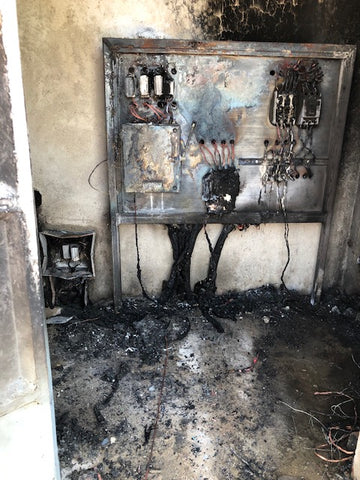
When electrical components become compromised, overheating or short circuits can occur. In some cases, this results in localized fires inside utility closets, ceiling cavities, or mechanical rooms.
These fires are often smaller than structural fires but still cause smoke damage, wiring damage, and moisture-related complications.
Why This Happens Frequently in Sunny Isles Beach
Coastal environments create unique conditions that increase the likelihood of condensation-related problems.
Several local factors contribute:
High Humidity Levels
Moisture in the air increases the amount of condensation AC systems produce, placing more stress on drainage systems.
Constant AC Operation
In South Florida, air conditioners may run nearly all day. Continuous operation increases wear on drain lines and pumps.
Salt Air Exposure
Salt carried by coastal air accelerates corrosion of metal components, including electrical terminals and HVAC hardware.
High-Rise Construction
Many properties in Sunny Isles Beach rely on compact mechanical closets or ceiling-mounted air handlers, where leaks can easily affect electrical systems.
These conditions make regular inspection and maintenance especially important.
Early Warning Signs Property Owners Notice
Condensation-related problems often develop gradually. Several warning signs may appear before fire damage occurs.
Common indicators include:
- Water stains near air handlers
- Dripping sounds in ceiling spaces
- Musty odors near vents
- Frequent AC shutoffs
- Rust or corrosion around HVAC components
- Tripped breakers without clear cause
If these signs are ignored, moisture can spread to wiring or panels, increasing the risk of electrical failure.
What Happens During a Condensation-Related Fire
When a fire originates from electrical components affected by moisture, damage often includes both fire and water-related effects.
Typical damage patterns include:
- Burned wiring or insulation
- Smoke staining on walls and ceilings
- Melted plastic components
- Water damage from firefighting efforts or leaking systems
- Lingering odors and soot particles
Even small fires can leave residues that spread through ventilation systems, affecting indoor air quality.
The Fire Damage Restoration Process Explained
Fire damage restoration involves several stages designed to return the property to safe, usable condition.
The process typically includes:
Damage Assessment
The first step is identifying the extent of fire, smoke, and moisture damage. This often includes inspecting hidden areas such as ceiling cavities and ductwork.
Removal of Damaged Materials
Burned insulation, wiring, or drywall may need to be removed to prevent odor retention and ensure structural safety.
Cleaning and Soot Removal
Specialized cleaning methods are used to remove soot from surfaces, flooring, and structural elements.
Odor Control
Air filtration and deodorization help eliminate lingering smoke odors.
Drying and Moisture Control
If condensation or firefighting water is present, drying equipment is used to prevent mold growth.
Companies familiar with coastal conditions, such as Tip Top Water and Fire Damage Restoration, often emphasize thorough drying because humidity in Sunny Isles Beach can slow evaporation.
Smoke Damage Can Travel Further Than Expected
One of the lesser-known challenges of fire damage restoration is smoke migration. Smoke particles are extremely small and can travel through:
- Air ducts
- Ceiling voids
- Wall cavities
- Closet spaces
This is why restoration often includes HVAC inspection and cleaning. Without addressing smoke residue in ducts, odors may persist even after visible surfaces are cleaned.
Electrical System Inspection Is Critical
After any fire involving electrical components, licensed professionals must inspect wiring and panels.
Heat and corrosion may weaken wires or connectors that appear intact. Replacing compromised components ensures long-term safety and reduces the risk of recurring problems.
In coastal environments, corrosion combined with heat damage makes thorough inspection especially important.
The Role of Moisture Detection After Fire Damage
Condensation-related fires often leave behind hidden moisture. Wet insulation or damp drywall can lead to mold growth within days if not properly dried.
Moisture detection tools help identify:
- Damp structural framing
- Wet subflooring
- Moisture inside wall cavities
- Condensation buildup in ducts
Addressing moisture early prevents additional restoration work later.
Preventing Condensation-Related Fire Risks
Several practical steps can reduce the risk of condensation problems leading to electrical hazards.
Property owners can:
- Clean AC drain lines regularly
- Inspect air handler areas for standing water
- Replace air filters routinely
- Schedule annual HVAC maintenance
- Ensure electrical panels remain dry and ventilated
- Address rust or corrosion promptly
Routine inspections are especially important in high-rise buildings where HVAC systems operate continuously.
Why Local Experience Matters in Restoration
Fire damage restoration in coastal areas differs from restoration in inland regions. High humidity, salt exposure, and continuous AC use create conditions that affect both drying times and corrosion rates.
Professionals who regularly work in Sunny Isles Beach, North Miami Beach, and Bal Harbour understand how these environmental factors influence restoration timelines and repair strategies.
Local experience often leads to faster recovery and fewer recurring issues.
A Practical Perspective for Property Owners
Condensation-related fires are not the most common type of fire damage, but they do occur in coastal homes and high-rise residences where HVAC systems run constantly. Early detection of moisture problems, regular maintenance, and prompt restoration after damage are the best ways to protect both property and indoor air quality.
By staying aware of warning signs and addressing moisture issues early, homeowners in Sunny Isles Beach can significantly reduce the risk of both mold and fire-related damage.