Why AC Moisture Repair Becomes Necessary in Miami Shores After Plumbing Failures
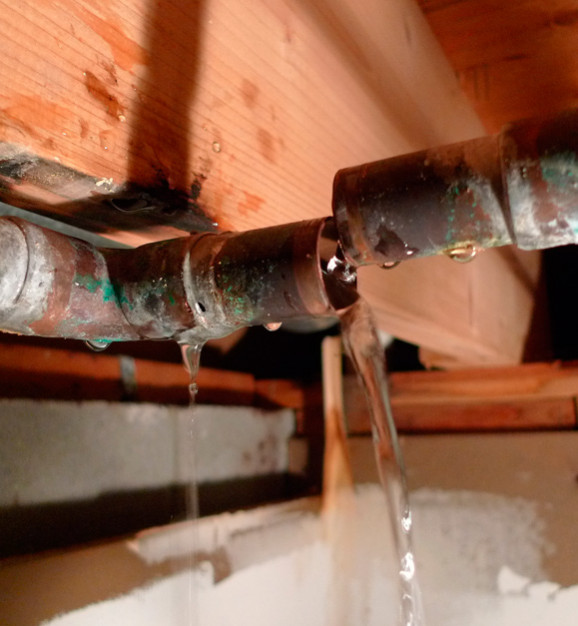
Plumbing failures are one of the most common causes of indoor water damage in Miami Shores. While homeowners usually focus on repairing the broken pipe or fixture, another problem often develops quietly in the background: moisture affecting the air conditioning system. When water spreads into walls, ceilings, or mechanical spaces, HVAC components can be exposed to humidity and condensation, creating conditions that require AC moisture repair.
Understanding why this happens helps homeowners respond quickly and prevent long-term issues such as mold growth, reduced cooling efficiency, and structural damage.
How Plumbing Failures Affect Air Conditioning Systems
A plumbing leak may seem unrelated to an air conditioning system at first. However, in many homes, pipes run through ceilings, utility closets, and wall cavities near ductwork or air handlers. When water escapes from a pipe, moisture can reach insulation, ducts, and surrounding structural materials.
Once moisture is present, air conditioning systems may begin to circulate humid air, increasing condensation inside ducts and on cooling coils. This combination of trapped moisture and reduced airflow creates the conditions that often require professional AC moisture repair.
Why This Happens Frequently in Miami Shores
Homes in Miami Shores are especially vulnerable to moisture-related HVAC issues because of the local environment and building characteristics.
Several factors contribute:
High Humidity Levels
South Florida’s humid climate slows the drying of wet materials. After a plumbing failure, walls and ceilings may remain damp longer than expected.
Older Plumbing Systems
Many homes in Miami Shores were built decades ago. Aging pipes, fittings, and valves are more likely to develop leaks or bursts.
Warm Temperatures Year-Round
Air conditioning systems run frequently, producing condensation that can add to existing moisture problems.
Enclosed Mechanical Spaces
Air handlers are often located in closets or ceiling cavities where ventilation is limited, allowing moisture to linger.
These conditions mean that even a relatively small plumbing leak can lead to larger HVAC moisture issues if not addressed quickly.
Early Signs That AC Moisture Repair May Be Needed
After a plumbing failure, warning signs of HVAC-related moisture problems may appear gradually. Homeowners should watch for:
- Musty odors when the AC runs
- Water stains near vents or ceilings
- Increased indoor humidity
- Rust or corrosion on HVAC components
- Dripping sounds inside walls or ceilings
- Reduced cooling efficiency
These signs indicate that moisture may have reached areas affecting airflow or equipment performance.
How Moisture Spreads After a Plumbing Leak
Water from plumbing failures often travels further than expected. It can move through insulation, along framing, and into adjacent rooms before becoming visible.
Moisture may reach:
- Duct insulation
- Air handler compartments
- Ceiling cavities
- Wall framing
- Subflooring
When these materials remain damp, condensation forms more easily, and HVAC systems begin circulating humid air throughout the home.
This cycle increases the need for both drying and mechanical repair.
Hidden Damage That Often Goes Unnoticed
One of the most challenging aspects of plumbing-related moisture problems is that damage is often hidden.
Common hidden issues include:
- Wet insulation above ceilings
- Damp drywall behind cabinets
- Moisture inside ductwork
- Mold beginning to form in enclosed spaces
- Warping or weakening of structural materials
Because humidity slows evaporation in coastal areas, these problems may persist long after visible water is gone.
Why DIY Solutions Often Fail
Some homeowners attempt to dry affected areas using fans or household dehumidifiers. While this can help with surface moisture, it rarely removes moisture trapped inside walls, ceilings, or duct insulation.
DIY efforts often fall short because:
- Moisture detection tools are not available
- Drainage systems inside HVAC units are not inspected
- Hidden damp areas remain untreated
- Airflow problems are not corrected
Without addressing the root cause, moisture problems often return.
The Professional AC Moisture Repair Process
Professional AC moisture repair involves both HVAC servicing and structural drying. The goal is to restore proper system operation and eliminate moisture that could lead to mold or equipment damage.
The process typically includes:
Inspection and Moisture Detection
Technicians locate moisture inside walls, ceilings, ducts, and mechanical areas using specialized tools.
Drain Line and System Evaluation
Condensate lines, drain pans, and air handlers are checked for blockages or damage.
Drying and Dehumidification
Air movers and dehumidifiers may be used to remove trapped moisture from structural materials.
Duct Inspection and Cleaning
Ductwork is evaluated for moisture buildup, insulation damage, or restricted airflow.
Preventive Adjustments
Improvements in ventilation or maintenance schedules help reduce the risk of future problems.
Professionals experienced in local conditions, such as Tip Top Water and Fire Damage Restoration, often emphasize thorough drying because humidity in Miami Shores can slow natural evaporation after plumbing leaks.
The Connection Between Moisture and Mold Growth
Moisture left behind after plumbing failures is one of the leading causes of indoor mold growth. Mold can begin developing within a short time when materials remain damp.
Areas most vulnerable include:
- Around vents and registers
- Inside duct insulation
- Ceiling cavities near leaks
- Closets and enclosed spaces
Addressing moisture quickly significantly reduces the risk of mold remediation later.
Indoor Air Quality and Comfort Issues
Excess moisture in HVAC systems affects more than just equipment. Damp ducts and filters can circulate humid air and particles throughout the home.
This can lead to:
- Persistent odors
- Higher indoor humidity
- Dust accumulation
- Uneven cooling
Restoring proper airflow and drying affected areas helps improve indoor comfort and air quality.
Preventing AC Moisture Problems After Plumbing Repairs
Once a plumbing issue has been repaired, several steps can help prevent moisture-related HVAC problems:
- Inspect ceilings and vents for hidden moisture
- Schedule HVAC inspection after significant leaks
- Clean condensate lines regularly
- Replace air filters on schedule
- Use dehumidifiers if humidity remains high
- Address small leaks immediately
Routine inspections are especially important in older homes where plumbing systems may be more vulnerable.
Why Local Experience Matters
AC moisture repair in Miami Shores requires understanding how coastal humidity, older construction, and frequent AC use affect drying and equipment performance. Moisture behaves differently in coastal environments than in drier regions.
Professionals who regularly work in Miami Shores, North Miami, and Biscayne Park are familiar with these conditions and can identify hidden problems more efficiently.
Local experience often leads to more accurate repairs and longer-lasting results.
A Practical Perspective for Homeowners
Plumbing failures can cause more than visible water damage. Moisture that spreads into HVAC systems and structural materials often requires professional attention to prevent long-term issues. Early detection, proper drying, and routine maintenance are the most effective ways to protect both the home and the air conditioning system.
By understanding how plumbing leaks affect indoor moisture, homeowners in Miami Shores can respond quickly and prevent minor problems from becoming major repairs.