AC Moisture Repair in Surfside: Hidden Problems That Appear Later
Surfside’s coastal location offers beautiful ocean views and steady sea breezes, but it also brings constant humidity and moisture exposure. Air conditioning systems in this environment work hard year-round, removing moisture from indoor air to keep homes comfortable. After leaks, storms, or prolonged humidity, many homeowners in Surfside find that moisture problems related to their AC systems do not show up immediately. Instead, hidden issues often appear weeks or even months later.
Understanding these delayed problems helps property owners recognize warning signs early and prevent larger repairs.
Why AC Moisture Problems Often Appear Later
One of the biggest challenges with HVAC-related moisture is that damage is often hidden. Moisture can accumulate inside duct insulation, ceiling cavities, or wall spaces where it cannot be seen. Even after a leak stops or a system seems to be working normally, damp materials may remain.
In Surfside, high humidity slows the drying process. Materials that might dry in a few days in other climates can remain damp much longer near the coast. This delay allows problems to develop gradually before becoming noticeable.
How Moisture Builds Up in Air Conditioning Systems
Air conditioning systems naturally produce condensation. Under normal conditions, this moisture drains safely through condensate lines. However, several factors can disrupt this process.
Common causes include:
- Clogged condensate drain lines
- Corroded drain pans
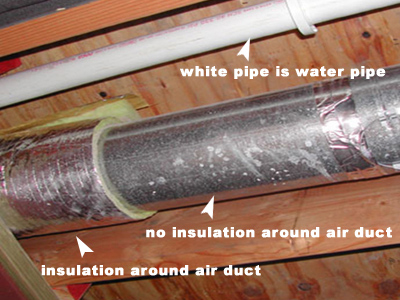
- Improper duct insulation
- Poor airflow around air handlers
- Water intrusion from roof or plumbing leaks
When drainage is restricted or humidity remains high, moisture may begin collecting in surrounding materials rather than draining away properly.
Hidden Damage That Develops Over Time
Many homeowners are surprised to learn how far moisture can travel. Water from condensation or minor leaks may spread into areas far from the original source.
Hidden damage that often appears later includes:
- Damp drywall behind ceilings
- Wet attic insulation
- Moisture trapped inside ducts
- Warped wood framing
- Mold growth in enclosed spaces
Because these problems develop slowly, they may not become visible until odors, stains, or airflow issues begin to appear.
Early Signs That Often Go Unnoticed
Delayed moisture problems usually begin with subtle symptoms. Homeowners in Surfside often overlook these early indicators.
Common early signs include:
- Slight musty odors near vents
- Small ceiling discoloration near air handlers
- Mild humidity increases indoors
- Reduced airflow from certain vents
- Occasional dripping sounds in walls or ceilings
These signs may seem minor, but they often indicate moisture accumulation that requires attention.
Why Coastal Conditions Make the Problem Worse
Surfside’s coastal climate plays a major role in delayed moisture issues.
Several environmental factors contribute:
Constant Humidity
Moist air slows evaporation, allowing damp materials to remain wet longer.
Salt Air Exposure
Salt accelerates corrosion of metal components, which can weaken drain pans and fittings over time.
Frequent AC Operation
Air conditioning systems run for long periods, producing continuous condensation that adds to moisture levels.
Limited Ventilation in Mechanical Spaces
Air handlers are often located in closets or ceiling spaces where airflow is limited, allowing moisture to linger.
These conditions make professional inspection and drying especially important after leaks or water damage.
The Connection Between Moisture and Mold
One of the most serious delayed effects of AC moisture problems is mold growth. Mold often begins forming in hidden areas before becoming visible.
Mold related to HVAC moisture is commonly found:
- Inside duct insulation
- Around vents and registers
- In ceiling cavities near air handlers
- Behind walls adjacent to mechanical closets
Once mold develops, removal becomes more complex and may require remediation and cleaning of multiple areas.
Why DIY Repairs Often Miss the Real Problem
Some homeowners attempt to address moisture issues by cleaning visible areas or clearing drain lines. While minor maintenance can help, delayed moisture problems often involve hidden damage that requires specialized equipment to detect.
DIY repairs may fail because:
- Moisture inside walls or ducts is not identified
- Structural materials remain damp
- Drainage systems are only partially cleared
- Airflow or ventilation problems are not corrected
Without addressing these underlying issues, moisture often returns.
The Professional AC Moisture Repair Process
Proper AC moisture repair focuses on identifying both the cause and the extent of the damage. The process usually begins with a detailed inspection.
Typical steps include:
Moisture Detection
Technicians use tools to locate damp materials inside ceilings, walls, and ducts.
Drainage System Inspection
Condensate lines, pans, and pumps are checked for blockages or damage.
Drying and Dehumidification
Air movers and dehumidifiers are used to remove trapped moisture from structural materials.
Duct Inspection
Ductwork is examined for damp insulation or airflow restrictions.
Preventive Adjustments
Improving ventilation or maintenance schedules helps prevent recurring problems.
Professionals familiar with local coastal conditions, such as Tip Top Water and Fire Damage Restoration, often focus heavily on drying because humidity in Surfside can slow the natural evaporation process.
Indoor Air Quality Issues That Appear Later
Delayed moisture problems often affect indoor air quality. Damp ducts and insulation can trap dust and organic particles, which may circulate through the home when the system runs.
This can lead to:
- Persistent odors
- Increased dust accumulation
- Uneven cooling
- Higher humidity levels indoors
Addressing moisture inside HVAC systems helps restore proper airflow and comfort.
Preventing Hidden Moisture Problems
While coastal humidity cannot be controlled, homeowners can take steps to reduce the risk of delayed moisture damage.
Helpful preventive measures include:
- Scheduling regular HVAC inspections
- Cleaning condensate lines periodically
- Replacing air filters on schedule
- Checking ceilings and vents for early signs of moisture
- Ensuring attic and mechanical spaces are ventilated
- Addressing minor leaks immediately
Routine inspections are especially important after storms or plumbing repairs.
Why Local Experience Matters
AC moisture repair in Surfside requires understanding how coastal humidity, salt exposure, and building construction affect drying and airflow. Moisture behaves differently in coastal homes than in inland properties, and hidden damp areas are more common.
Professionals who regularly work in Surfside, Bal Harbour, and North Miami Beach understand these patterns and know where delayed moisture problems are most likely to develop.
Local experience often leads to quicker diagnosis and more effective long-term repairs.
A Practical Perspective for Homeowners
AC moisture problems rarely appear overnight. In many cases, the most serious damage develops slowly and remains hidden until warning signs become noticeable. Paying attention to early symptoms, scheduling inspections, and addressing moisture promptly can prevent larger repairs and mold problems later.
For homeowners in Surfside, understanding how delayed moisture damage develops is one of the most effective ways to protect both the HVAC system and the home itself.