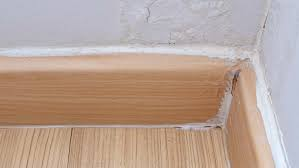
Preventing Future Problems: Water Damage Repair in Bal Harbour
Bal Harbour’s coastal setting offers beautiful ocean views and comfortable sea breezes, but it also brings unique challenges for homeowners. High humidity, heavy rains, salt air, and aging plumbing systems can all contribute to water damage. While repairing visible damage is important, preventing future problems is equally critical. Many property owners in Bal Harbour discover that long-term protection depends on understanding how water damage occurs and how proper repairs help prevent it from returning.
Why Water Damage Is Common in Bal Harbour Homes
Water damage in Bal Harbour often develops because of the area’s environment. Coastal conditions expose homes to moisture in ways that inland properties rarely experience.
Several factors contribute:
- Heavy seasonal rain and storms
- Wind-driven rain entering through small openings
- Roof wear caused by sun and salt exposure
- Plumbing leaks or appliance failures
- Air conditioning condensation
- High humidity slowing the drying of materials
Even minor moisture intrusion can become a larger issue when materials remain damp for extended periods.
The Importance of Addressing Water Damage Quickly
One of the most important lessons homeowners learn is that water damage rarely improves on its own. When moisture remains trapped in drywall, flooring, or insulation, materials begin to weaken.
Delaying repairs can lead to:
- Warped flooring
- Crumbling drywall
- Persistent odors
- Mold growth
- Structural deterioration
Quick repairs not only restore the affected area but also prevent more extensive problems later.
How Water Damage Spreads Inside a Home
Water often travels further than expected. A small leak in one area may affect multiple parts of a home before becoming visible.
Moisture can move through:
- Wall cavities
- Ceiling insulation
- Subflooring
- Air ducts
- Framing and trim
Because of this, water damage repair usually involves inspecting surrounding areas, not just the visible damage.
The Water Damage Repair Process Explained
Understanding the repair process helps homeowners know why each step matters and how it prevents future issues.
Inspection and Moisture Detection
Technicians begin by identifying the source of water and determining how far moisture has spread. Moisture meters and other tools help locate hidden damp areas.
Water Removal and Drying
Standing water is removed, and drying equipment is used to reduce moisture in both materials and the air.
Removal of Damaged Materials
Severely saturated drywall, insulation, or flooring may need to be removed to ensure proper drying and prevent mold.
Structural Repairs and Restoration
Once the area is dry, repairs restore the home to its original condition. This may include installing new drywall, flooring, or trim.
Professionals familiar with coastal environments, such as Tip Top Water and Fire Damage Restoration, often emphasize thorough drying because humidity in Bal Harbour can slow natural evaporation.
Why Proper Drying Prevents Future Damage
Drying is one of the most critical steps in water damage repair. Materials that feel dry on the surface may still contain moisture internally. If repairs begin before drying is complete, moisture can become trapped, leading to mold or deterioration.
Professional drying equipment improves airflow and removes moisture from the air, allowing structural materials to dry completely.
This step significantly reduces the likelihood of recurring problems.
Preventing Mold After Water Damage
Mold growth is one of the most common long-term consequences of water damage. In warm climates like South Florida, mold can begin developing within a short time when moisture is present.
Areas most vulnerable include:
- Behind drywall
- Around vents and ducts
- Inside closets or enclosed spaces
- Beneath carpeting
Preventing mold requires both proper drying and controlling humidity after repairs are completed.
The Role of HVAC Systems in Moisture Control
Air conditioning systems play an important role in managing indoor humidity. However, if ducts or air handlers are exposed to moisture, they can contribute to recurring problems.
During water damage repair, HVAC systems may be inspected to ensure:
- Ducts are dry and properly insulated
- Condensate drain lines are functioning
- Airflow is balanced
- Moisture is not trapped in insulation
Maintaining HVAC systems helps prevent humidity buildup that can lead to future water damage or mold.
Hidden Problems That Can Appear Later
Even after repairs are completed, hidden moisture problems can sometimes appear weeks later if preventive steps are not taken.
Delayed issues may include:
- Ceiling stains returning
- Musty odors
- Increased indoor humidity
- Peeling paint near repaired areas
Routine inspections after repairs help identify these issues early and prevent further damage.
Practical Steps to Prevent Future Water Damage
Homeowners in Bal Harbour can take several steps to reduce the risk of recurring water damage:
- Inspect roofs and windows after storms
- Repair small leaks immediately
- Clean AC drain lines regularly
- Monitor indoor humidity levels
- Ensure proper attic ventilation
- Check plumbing connections periodically
Regular maintenance is one of the most effective ways to prevent costly repairs.
Why Coastal Homes Require Extra Attention
Homes near the ocean face additional challenges compared to inland properties. Salt air can accelerate corrosion, humidity slows drying, and storms increase the risk of intrusion.
Because of these factors, routine inspections and preventive maintenance are especially important in Bal Harbour, Sunny Isles Beach, and nearby coastal communities.
Local experience plays a major role in identifying problem areas and ensuring repairs are completed correctly.
Why Local Experience Matters
Water damage repair in Bal Harbour requires understanding how coastal weather, building materials, and humidity interact. Professionals who regularly work in the area know where hidden moisture is most likely to occur and how long materials typically take to dry.
This knowledge helps prevent recurring damage and ensures repairs last longer.
A Practical Perspective for Property Owners
Water damage repair is not only about fixing what is visible. It is about restoring structural materials, removing hidden moisture, and preventing problems from returning. When repairs are completed thoroughly and preventive steps are followed, most homes can remain free of recurring damage.
By acting quickly, scheduling inspections, and maintaining HVAC and plumbing systems, homeowners in Bal Harbour can protect their properties and avoid many of the long-term issues associated with water damage.