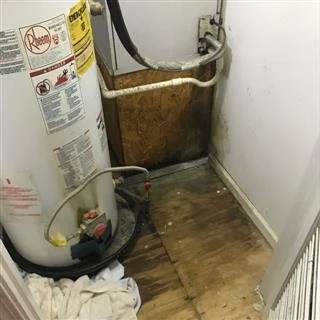
Explaining the Process of AC Moisture Repair in Aventura
Air conditioning systems play a critical role in homes throughout Aventura. With high humidity levels and warm temperatures year-round, AC units often run for long periods to maintain comfort indoors. While these systems are designed to remove moisture from the air, problems can develop when condensation is not draining properly or when humidity overwhelms the system. Over time, trapped moisture can damage ceilings, walls, ductwork, and insulation, making AC moisture repair necessary.
Understanding how the repair process works helps homeowners and property managers respond quickly, prevent mold growth, and protect the long-term condition of their homes.
Why AC Moisture Problems Are Common in Aventura
Aventura’s coastal environment creates conditions that make moisture-related HVAC issues more likely. High humidity means air conditioners must remove large amounts of moisture, increasing the amount of condensation produced.
Several factors contribute to moisture problems:
- Clogged condensate drain lines
- Corroded or damaged drain pans
- Poor ventilation in mechanical spaces
- Leaks near air handlers
- Duct insulation absorbing humidity
- Continuous AC operation during humid months
Because moisture can accumulate gradually, problems often go unnoticed until visible damage appears.
Early Warning Signs Homeowners Should Watch For
AC moisture problems often begin with subtle signs that may be easy to overlook. Recognizing these signs early can prevent larger repairs later.
Common warning signs include:
- Water stains near vents or ceilings
- Musty odors when the AC is running
- Dripping sounds inside ceilings or walls
- Increased indoor humidity
- Rust around air handler components
- Peeling paint near vents
These symptoms usually indicate that moisture is present where it should not be.
Step One: Inspection and Moisture Detection
The first stage of AC moisture repair is a detailed inspection. The goal is to locate both the source of the moisture and any areas that have already been affected.
Technicians typically inspect:
- Air handlers and drain pans
- Condensate drain lines
- Ductwork and insulation
- Ceiling cavities and nearby walls
- Attic spaces or mechanical closets
Moisture detection tools are often used to identify damp materials that are not visible. In humid areas like Aventura, moisture can remain hidden behind drywall or inside insulation for long periods.
Professionals familiar with local coastal conditions, such as Tip Top Water and Fire Damage Restoration, often focus on identifying hidden moisture because drying times are longer in high-humidity environments.
Step Two: Clearing and Repairing Drainage Systems
One of the most common causes of AC moisture problems is a blocked or damaged condensate drain line. Dust, debris, or algae buildup can prevent water from draining properly, causing overflow.
During this step, technicians may:
- Clear clogged drain lines
- Flush drainage systems
- Repair or replace damaged drain pans
- Check condensate pumps if installed
Restoring proper drainage ensures that condensation flows away from the system as designed.
Step Three: Drying Affected Areas
If moisture has spread to surrounding materials, drying becomes a critical part of the repair process. Even small amounts of trapped moisture can lead to mold growth or structural weakening if not addressed.
Drying may involve:
- Air movers to increase airflow
- Dehumidifiers to remove moisture from the air
- Monitoring equipment to track moisture levels
Because humidity in Aventura slows evaporation, drying may take longer than homeowners expect. Proper drying prevents recurring moisture problems after repairs are completed.
Step Four: Repairing Damaged Materials
When moisture has affected drywall, insulation, or wood, some materials may need to be repaired or replaced. Leaving damaged materials in place can lead to odors, mold growth, or structural deterioration.
Repairs may include:
- Replacing sections of drywall
- Installing new insulation
- Repairing ceiling or wall finishes
- Sealing areas around ducts or vents
Restoring these materials ensures the area is structurally sound and visually consistent.
Step Five: Inspecting HVAC Components and Ductwork
Moisture problems often affect more than just the air handler. Ductwork can trap condensation, and damp insulation may reduce airflow efficiency.
During this stage, technicians may:
- Inspect ducts for moisture buildup
- Check insulation around ductwork
- Evaluate airflow and ventilation
- Ensure filters and coils are clean
Addressing these factors helps restore proper system performance and reduces the likelihood of recurring issues.
Why Moisture Repair Helps Prevent Mold
One of the main reasons AC moisture repair is important is to prevent mold growth. Mold can begin developing quickly when materials remain damp, especially in warm climates like South Florida.
Areas most vulnerable include:
- Ceiling cavities near air handlers
- Inside duct insulation
- Behind walls adjacent to vents
- Closets or enclosed spaces with limited airflow
Thorough drying and moisture control significantly reduce the risk of mold developing after repairs.
Indoor Air Quality and Comfort Improvements
Excess moisture in HVAC systems can affect indoor air quality and comfort. Damp ducts and filters may circulate humid air, leading to persistent odors or uneven cooling.
After moisture repair, homeowners often notice:
- More consistent cooling
- Lower indoor humidity
- Reduced odors
- Improved airflow
These improvements help restore a comfortable indoor environment.
Preventing Future AC Moisture Problems
Once repairs are completed, several preventive measures can reduce the likelihood of future issues:
- Schedule regular HVAC maintenance
- Clean condensate drain lines periodically
- Replace air filters on schedule
- Inspect ceilings and vents for early signs of moisture
- Ensure mechanical spaces are ventilated
- Address small leaks promptly
Routine inspections are especially important in coastal homes where humidity remains high year-round.
Why Local Experience Matters
AC moisture repair in Aventura requires understanding how coastal humidity, salt exposure, and continuous AC operation affect HVAC systems. Drying times, corrosion risks, and hidden moisture patterns differ from inland environments.
Professionals who regularly work in Aventura, Sunny Isles Beach, and North Miami Beach understand these local conditions and know where moisture problems are most likely to develop. This experience often leads to faster diagnosis and more effective long-term repairs.
A Practical Perspective for Homeowners
AC moisture problems are common in humid coastal areas, but they are manageable when addressed early. The key steps—inspection, drainage repair, drying, and restoration—work together to eliminate moisture and prevent future damage.
By recognizing early warning signs and scheduling regular inspections, homeowners in Aventura can protect their HVAC systems, maintain indoor comfort, and reduce the risk of mold or structural damage over time.