
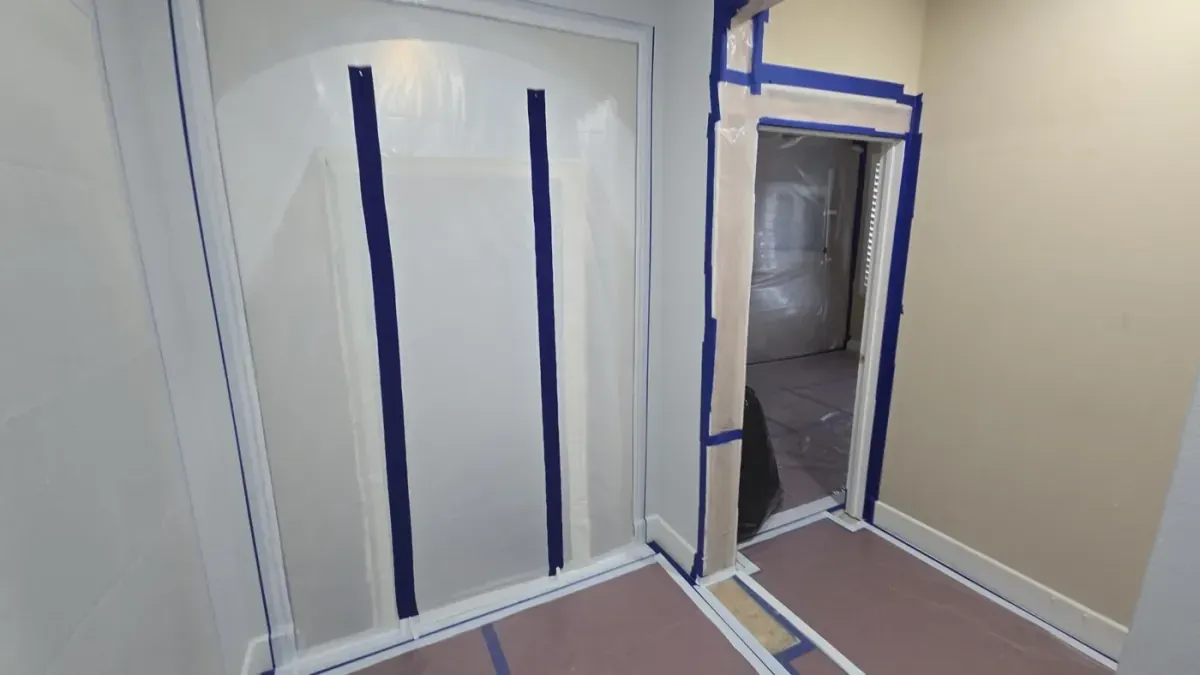
Long-Term Protection Tips Related to Mold Remediation in Miami Shores
Miami Shores is one of South Florida’s most desirable residential communities, offering quiet streets, mature landscaping, and convenient access to Biscayne Bay and downtown Miami. However, like most coastal neighborhoods, homes in Miami Shores constantly face moisture exposure from humidity, storms, and everyday household water use. When mold develops and remediation becomes necessary, many homeowners focus only on removing existing contamination without considering how to prevent mold from returning.
Long-term protection after mold remediation is essential. Without correcting the underlying conditions that allowed mold to grow, problems frequently return, often in hidden areas. Understanding how to maintain a dry, well-ventilated home helps property owners protect indoor air quality and prevent expensive future repairs.
Why Mold Problems Often Return After Cleanup
Mold remediation removes contamination, but mold spores naturally exist everywhere in the environment. The key factor determining whether mold grows again is moisture.
In Miami Shores homes, mold frequently returns because:
• Moisture sources were never fully corrected
• Hidden leaks remain inside walls or floors
• Indoor humidity stays too high
• Ventilation is insufficient
• AC systems are poorly maintained
• Seasonal storms introduce new moisture
Without long-term moisture control, mold can reappear months after remediation is completed.
Understanding How Mold Develops in Homes
Mold grows when moisture combines with organic materials commonly found inside homes. Materials such as drywall, wood framing, carpeting, insulation, and even household dust provide ideal food sources.
Once materials become damp, mold colonies can begin forming within 24 to 48 hours. Growth often starts in concealed areas where moisture remains unnoticed.
Common mold-prone locations include:
• Behind drywall after plumbing leaks
• Under flooring materials
• Inside closets with poor airflow
• Around air conditioning equipment
• Inside attic insulation
• Beneath cabinets or sinks
Because growth often begins out of sight, prevention must focus on moisture control rather than just visible cleaning.
Common Moisture Sources in Miami Shores Homes
Long-term mold prevention starts with identifying how moisture enters a home. In Miami Shores, several moisture sources appear frequently during inspections.
Common sources include:
• Roof leaks after heavy rain
• Aging plumbing lines inside walls
• Air conditioning condensation problems
• Window or door seal failures
• Flooding from storms or poor drainage
• Poor attic or crawl space ventilation
• Appliance leaks in kitchens or laundry rooms
Even minor leaks can allow moisture to remain trapped long enough for mold to develop.
Importance of Maintaining Air Conditioning Systems
Air conditioning systems play a crucial role in mold prevention because they help remove humidity from indoor air. However, when AC systems are not maintained properly, they can actually create moisture problems.
Condensation naturally forms when warm air passes over cooling coils. If drain lines clog or drain pans fail, water can leak into ceilings or walls.
Homeowners should:
• Schedule annual AC inspections
• Clean condensation drain lines regularly
• Replace air filters consistently
• Keep airflow unobstructed around equipment
Proper AC maintenance reduces humidity and prevents condensation leaks that lead to mold growth.
Controlling Indoor Humidity Levels
Humidity control is one of the most effective ways to prevent mold from returning. Indoor humidity ideally should remain below 60 percent.
Homeowners can manage humidity by:
• Using dehumidifiers during humid months
• Running exhaust fans while cooking or showering
• Keeping windows closed during humid weather
• Monitoring humidity levels with indoor sensors
• Ensuring AC systems operate efficiently
Maintaining balanced humidity prevents moisture buildup in hidden areas.
Ventilation Improvements Reduce Moisture Risks
Poor ventilation allows moisture to accumulate in enclosed areas. Bathrooms, kitchens, laundry rooms, and closets often trap humid air if ventilation is inadequate.
Helpful ventilation improvements include:
• Installing or repairing exhaust fans
• Improving attic airflow
• Ventilating crawl spaces where applicable
• Leaving closet doors open periodically
• Avoiding furniture placement directly against walls
Better airflow allows moisture to evaporate before mold begins growing.
Routine Home Maintenance Prevents Mold Recurrence
Preventive maintenance is one of the most practical long-term mold protection strategies. Regular inspections help homeowners catch moisture problems early.
Routine maintenance steps include:
• Checking plumbing connections regularly
• Inspecting roofs before storm season
• Maintaining window and door seals
• Checking balconies and patios for water intrusion
• Keeping gutters and exterior drains clear
• Addressing small leaks immediately
Early repairs prevent moisture from spreading into hidden areas.
Role of Professional Moisture Inspections
Even after remediation, professional moisture inspections can help ensure conditions remain safe. Inspections often reveal hidden damp areas homeowners never notice.
Inspection tools commonly used include:
• Moisture meters for wall and floor testing
• Thermal imaging cameras locating hidden damp areas
• Humidity monitoring in enclosed spaces
• Inspection of HVAC systems and ductwork
Companies like Tip Top Water and Fire Damage Restoration frequently assist Miami Shores homeowners by identifying moisture risks before mold develops again.
Importance of Duct and Vent Maintenance
Air ducts circulate air throughout the home, and when contaminated with moisture or mold spores, they can spread problems quickly.
Homeowners should consider:
• Cleaning ducts when contamination is suspected
• Replacing filters regularly
• Inspecting duct insulation for moisture
• Ensuring proper airflow throughout the home
Clean ventilation systems help maintain healthy indoor air quality.
Preparing Homes Before Storm Season
Storm season increases moisture risks in Miami Shores. Preparing homes before heavy rains arrive helps prevent mold-related damage.
Helpful preparation steps include:
• Inspecting roofs and sealing vulnerable areas
• Checking drainage around the property
• Sealing windows and doors properly
• Ensuring sump pumps or drainage systems function correctly
• Clearing debris from exterior drains
Preparation reduces the chance of water intrusion during severe weather.
Why Local Experience Matters in Mold Prevention
Coastal communities face unique moisture challenges compared to inland areas. Professionals familiar with Miami Shores understand how humidity, building styles, and coastal weather patterns influence mold growth.
Local specialists recognize common problem areas in homes and provide solutions tailored to South Florida’s environment. Tip Top Water and Fire Damage Restoration regularly works in Miami Shores, helping homeowners maintain mold-free environments suited to coastal living.
Acting Early Protects Property and Indoor Comfort
Mold problems rarely resolve without action. Small moisture issues often grow into larger contamination problems when ignored. Long-term protection after remediation depends on proactive maintenance and moisture control.
Homeowners who respond quickly to warning signs and maintain their properties carefully avoid costly repairs while preserving healthy indoor air quality. Professional inspections and preventive maintenance ensure mold problems do not return.
With proper planning and routine care, Miami Shores residents can enjoy comfortable homes protected from recurring mold damage despite the challenges of coastal humidity.