Moisture Detection in North Miami Beach in High-Rise Condos: What to Watch For
High-rise condominium living in North Miami Beach offers beautiful views, steady coastal breezes, and modern construction—but it also comes with a unique set of moisture challenges. Unlike single-family homes, condos have shared walls, complex HVAC systems, and plumbing lines running through multiple floors. When moisture problems develop, they often spread quietly and affect more than one unit.
For condo owners, landlords, and property managers, understanding how moisture detection works and knowing what warning signs to watch for can prevent expensive repairs and long-term damage.
What Moisture Detection Means in a Condo Environment
Moisture detection involves locating hidden water or humidity buildup before visible damage appears. In high-rise buildings, this often means checking areas such as:
- Interior walls and ceilings
- Flooring and subfloor layers
- HVAC closets and ductwork
- Around plumbing penetrations
- Window frames and balcony doors
Because moisture can travel between units or floors, detection in condos requires careful inspection and specialized equipment.
Why Moisture Problems Are Common in North Miami Beach High-Rises
Several factors make moisture issues more likely in coastal condominiums.
Humidity is constant throughout much of the year. When cool indoor air meets warm outdoor air, condensation can form on surfaces, inside ducts, or even within walls.
Wind-driven rain is another major contributor. High-rise buildings are more exposed to coastal storms, and small gaps in seals around windows or sliding doors can allow water to enter gradually.
Air conditioning systems also play a role. Condensation lines, drain pans, and duct insulation sometimes fail or clog, causing slow leaks that may go unnoticed for weeks.
In addition, plumbing systems in multi-story buildings run vertically through walls and ceilings. A leak in one unit can affect multiple units below or beside it, sometimes without obvious signs at first.
Common Signs Condo Owners Should Watch For
Moisture problems often begin subtly. Some of the most common warning signs include:
- Musty or damp smells
- Discoloration or stains on ceilings
- Peeling paint or bubbling drywall
- Warped flooring or loose tiles
- Condensation around vents or windows
In high-rise buildings, these signs may appear far from the original source of moisture, which is why professional detection is often necessary.
Hidden Sources of Moisture in High-Rise Condos
Certain areas in condominium units are especially prone to hidden moisture.
HVAC closets are a frequent trouble spot. Condensation from cooling coils or clogged drain lines can lead to water accumulation that spreads into nearby walls or flooring.
Window frames and balcony doors are another common source. Salt air, sun exposure, and strong winds can gradually weaken seals, allowing rainwater to seep inside.
Plumbing connections behind walls, especially in kitchens and bathrooms, can develop slow leaks that remain undetected until significant damage occurs.
In some cases, moisture originates in neighboring units or upper floors and migrates downward through structural cavities.
Why DIY Moisture Checks Often Miss the Problem
Many property owners rely on visual inspection, but moisture often develops inside materials long before surface damage appears.
Drywall, insulation, and wood framing can hold water internally without obvious signs. By the time staining becomes visible, damage may already be widespread.
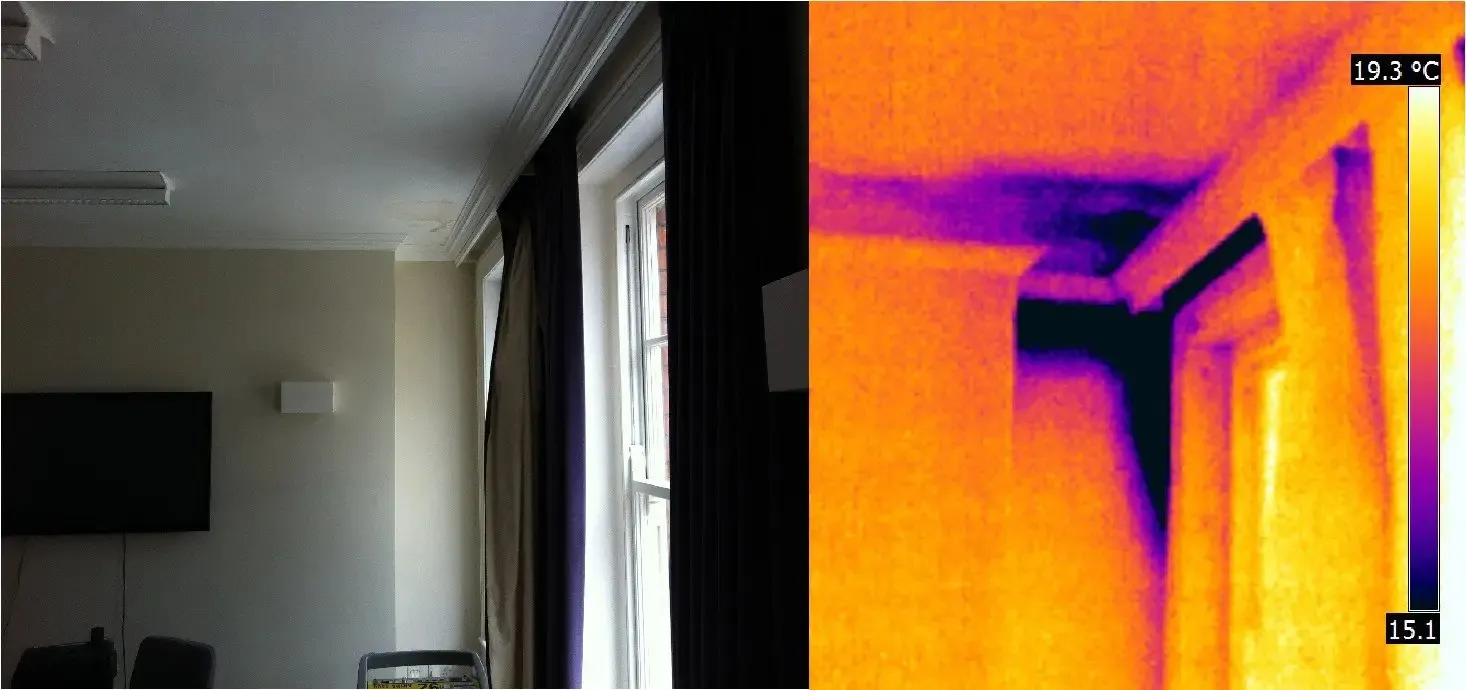
Professional moisture detection uses specialized tools that identify dampness below the surface. Infrared imaging and moisture meters allow inspectors to locate problems quickly and accurately without removing large sections of walls or flooring.
How Professional Moisture Detection Is Performed
A thorough inspection typically begins with a visual assessment followed by instrument testing.
Professionals may check:
- Moisture levels in walls, ceilings, and flooring
- Humidity levels inside the unit
- HVAC components and ductwork
- Plumbing fixtures and surrounding materials
- Window and door seals
Thermal imaging cameras can reveal temperature differences that indicate moisture behind surfaces, while meters measure the exact water content of building materials.
Companies such as Tip Top Water and Fire Damage Restoration often perform these inspections in North Miami Beach condos, where early detection helps prevent mold growth and structural repairs.
The Link Between Moisture and Mold Growth
Warm temperatures and high humidity create ideal conditions for mold in coastal South Florida. Once moisture is present, mold can begin developing in as little as a day or two.
In high-rise buildings, mold growth can spread through shared ventilation systems or wall cavities, affecting multiple units.
Early moisture detection is one of the most effective ways to prevent mold remediation from becoming necessary.
Structural Risks Caused by Hidden Moisture
Moisture doesn’t only affect surfaces—it can also weaken structural components over time.
Potential consequences include:
- Deterioration of drywall and insulation
- Wood rot in framing or subflooring
- Corrosion of metal fasteners and fixtures
- Damage to flooring adhesives
In coastal environments like North Miami Beach, salt in the air can accelerate corrosion when moisture is present, making early detection even more important.
HVAC Systems and Air Ducts as Moisture Sources
Air conditioning systems run almost constantly in South Florida, and they are one of the most common sources of hidden moisture in condominiums.
Blocked drain lines, dirty coils, or poorly insulated ducts can lead to condensation buildup. Over time, this moisture may drip into ceilings or walls and spread to surrounding materials.
Air ducts can also collect moisture, especially when humidity levels are high. If not addressed, this can affect indoor air quality and lead to odor problems.
Properties in nearby areas like Sunny Isles Beach, Aventura, and Miami Shores often experience similar issues due to similar climate and building design.
Preventing Moisture Problems in High-Rise Units
Preventive maintenance is one of the most effective ways to avoid serious moisture damage.
Helpful steps include:
- Inspecting HVAC systems regularly
- Cleaning AC drain lines and filters
- Checking window and door seals annually
- Monitoring indoor humidity levels
- Addressing small leaks immediately
Periodic professional moisture inspections are especially useful after storms, plumbing repairs, or renovations.
Why Local Experience Matters
Moisture detection in coastal high-rise buildings requires knowledge of both environmental conditions and building construction methods.
Professionals familiar with North Miami Beach understand how humidity, salt air, and high-rise ventilation systems influence moisture movement and drying times.
Tip Top Water and Fire Damage Restoration has experience working in North Miami Beach, Biscayne Park, Surfside, and nearby communities, where hidden moisture in condominiums is a frequent concern.
Local experience ensures inspections are thorough and solutions are tailored to the conditions specific to coastal South Florida.
A Practical Approach to Protecting Your Property
Moisture problems in high-rise condos often begin quietly but can lead to costly repairs if ignored. Early detection allows property owners to correct leaks, improve ventilation, and prevent mold before major damage occurs.
For condo owners in North Miami Beach, staying alert to warning signs and scheduling periodic inspections is one of the most effective ways to protect both the structure and the indoor environment.
Preventive maintenance may seem routine, but when it comes to moisture, early action is almost always the simplest and most cost-effective solution.