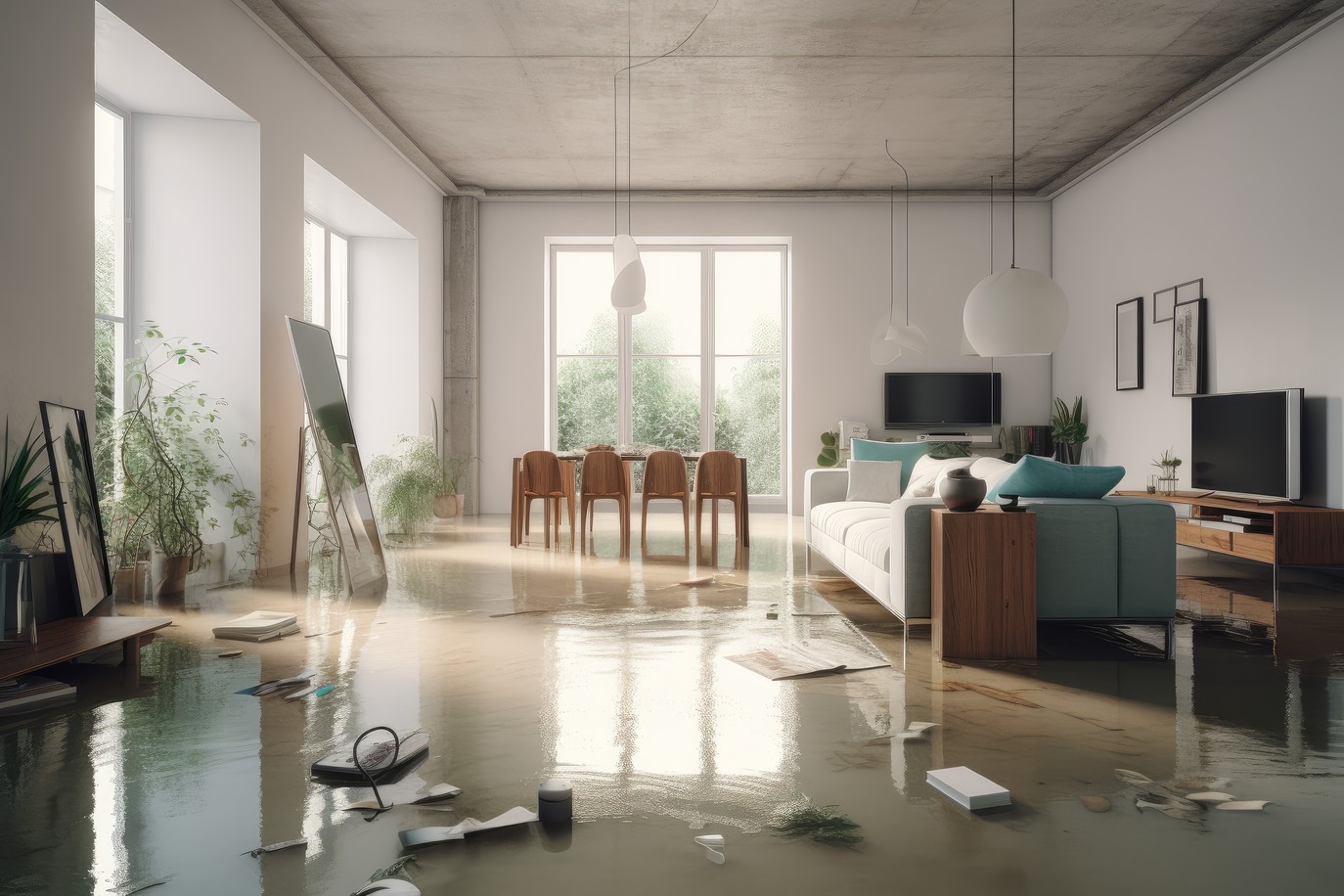
Water Removal in Surfside: Real-World Observations from Local Properties
Water intrusion is a recurring issue in coastal communities, and Surfside is no exception. Between seasonal storms, plumbing failures, and the constant influence of humidity, even well-maintained homes and condominiums can experience water damage. What many property owners discover is that water problems often extend far beyond what is visible on the surface.
Looking at real-world observations from local properties provides a clearer understanding of why water removal is so important and how proper drying helps prevent long-term structural and moisture-related issues.
What Water Removal Really Involves
Water removal is more than simply extracting standing water. Moisture spreads quickly through porous materials such as drywall, wood, insulation, and flooring. Even after visible water is gone, dampness may remain hidden inside structural components.
A proper water removal process usually includes:
- Extracting standing water
- Detecting hidden moisture
- Drying building materials
- Controlling humidity levels
- Cleaning affected areas
In Surfside’s humid climate, these steps are especially important because moisture tends to linger longer than in drier environments.
Why Water Damage Is Common in Surfside
Several environmental and structural factors contribute to frequent water intrusion in this area.
Heavy rainstorms and coastal weather are among the biggest causes. Wind-driven rain can enter through small gaps in roofing, windows, or exterior walls. Over time, even minor intrusion can lead to significant moisture buildup.
Humidity is another major factor. When the air is consistently moist, drying becomes slower and moisture trapped in materials may remain long after the original source of water is gone.
Air conditioning systems also contribute to many water issues. Condensation from clogged drain lines or poorly insulated ducts can accumulate and spread into ceilings and walls.
Nearby areas such as Bal Harbour, Miami Shores, and North Miami Beach experience similar conditions due to the same coastal climate.
Real-World Observation: Water Beneath Flooring
One of the most common findings in Surfside properties is moisture trapped beneath flooring materials. Tile, laminate, and engineered wood often appear dry on the surface, while the subfloor underneath remains damp.
This hidden moisture can lead to:
- Warping of flooring
- Musty odors
- Mold growth in subfloor materials
Professional moisture detection tools are often needed to locate these hidden damp areas and ensure thorough drying.
Real-World Observation: Ceiling Moisture After Roof Leaks
Roof leaks during storms frequently lead to water damage that is not immediately visible. In many cases, water travels along beams or insulation before reaching a ceiling surface.
By the time stains appear, moisture may already be present in attic insulation or wall cavities. Proper drying and inspection are essential to prevent mold growth and structural deterioration.
Real-World Observation: HVAC Closets and Condensation
Air conditioning systems are another common source of water problems in Surfside homes and condominiums.
Condensate drain lines can clog over time, causing water to overflow into HVAC closets or surrounding walls. In real restoration projects, professionals often find moisture in subflooring beneath air handlers or inside nearby wall cavities.
Routine maintenance of AC systems helps prevent many of these issues.
Signs That Water Removal May Be Needed
Some warning signs appear quickly, while others develop gradually.
Property owners often notice:
- Musty or damp odors
- Stains on ceilings or walls
- Warped baseboards or flooring
- Peeling paint or bubbling drywall
- Persistent indoor humidity
Even when these signs seem minor, they may indicate hidden moisture that requires professional attention.
Hidden Areas Where Moisture Often Remains
In many Surfside properties, the most serious damage occurs in areas that are not visible during a routine inspection.
Moisture is often found:
- Inside insulation
- Behind cabinets or appliances
- Inside wall cavities
- Beneath carpet padding
- Inside ductwork
Without proper drying, these areas can remain damp for long periods and contribute to mold growth or material deterioration.
Why DIY Drying Often Falls Short
Many homeowners try to dry water-damaged areas using fans or household dehumidifiers. While this may reduce surface moisture, it rarely removes water trapped inside building materials.
Drywall, wood, and insulation require controlled drying conditions to release moisture fully. Without specialized equipment and monitoring, dampness may remain even when surfaces appear dry.
Professional moisture detection ensures that drying is complete and helps prevent future problems.
How Professional Water Removal Works
A structured restoration process helps ensure that water damage is addressed thoroughly.
This process typically includes:
- Extracting standing water using professional equipment
- Measuring moisture levels in affected materials
- Setting up air movers and dehumidifiers
- Monitoring drying progress daily
- Cleaning and sanitizing surfaces
In humid coastal environments like Surfside, controlling humidity is just as important as removing visible water.
Companies such as Tip Top Water and Fire Damage Restoration often perform these steps in local properties where hidden moisture would otherwise lead to mold or structural damage.
Mold Risks After Water Intrusion
One of the most important reasons for prompt water removal is the risk of mold growth.
Warm temperatures and high humidity create ideal conditions for mold when moisture is present. Even small amounts of trapped water can allow mold to develop in hidden areas.
Early drying and moisture detection significantly reduce this risk and help maintain indoor air quality.
Structural Effects of Prolonged Moisture
Moisture does not only affect surfaces—it can also weaken structural materials over time.
Possible effects include:
- Wood rot in framing or subfloors
- Deterioration of drywall
- Damage to insulation
- Corrosion of metal fixtures
In coastal areas, salt air can accelerate corrosion when moisture is present, making early water removal even more important.
Preventing Future Water Damage
Real-world experience shows that preventive maintenance plays a major role in reducing water problems.
Helpful steps include:
- Inspecting roofs and flashing regularly
- Maintaining plumbing systems
- Cleaning AC drain lines and filters
- Checking seals around windows and doors
- Monitoring indoor humidity levels
Periodic moisture inspections are especially useful after storms or plumbing repairs.
Why Local Experience Matters
Water removal in Surfside requires understanding how coastal humidity, storms, and building construction influence moisture behavior.
Professionals familiar with the area know where water tends to accumulate and how to dry structures effectively in humid conditions.
Tip Top Water and Fire Damage Restoration has experience working in Surfside, Biscayne Park, Sunny Isles Beach, and surrounding coastal communities where hidden moisture is a common concern.
Local expertise helps ensure that restoration addresses both visible damage and underlying moisture.
A Practical Approach to Recovery
Water intrusion can feel overwhelming, but the restoration process is designed to resolve problems step by step. Early extraction, thorough drying, and careful inspection are the most important parts of preventing long-term damage.
For homeowners and property managers in Surfside, recognizing early warning signs and responding quickly after water intrusion can make a significant difference. With the right approach and proper maintenance, properties can be restored efficiently and protected from recurring moisture problems.