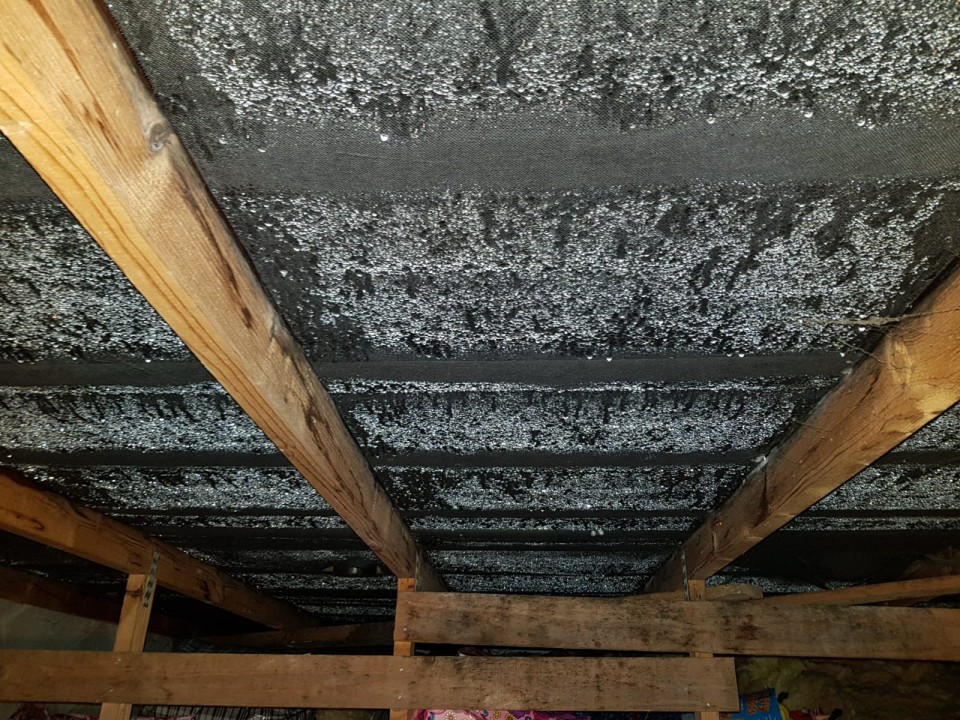
AC Moisture Repair in Bal Harbour: Real-World Observations from Local Properties
Air conditioning systems are essential in Bal Harbour, where warm temperatures and high humidity are part of everyday life. Most homes and condominiums rely on cooling systems year-round, not only for comfort but also for humidity control. However, when moisture problems develop in or around an AC system, they can lead to hidden water damage, mold risks, and structural deterioration.
Looking at real-world observations from local properties helps explain why AC moisture repair is often necessary in coastal communities and how homeowners can prevent long-term damage.
What AC Moisture Problems Really Are
Air conditioners naturally remove humidity from indoor air. This process produces condensation, which normally drains through a condensate line. When any part of this system fails or becomes blocked, water can accumulate and spread into nearby materials.
AC moisture issues often involve:
- Clogged condensate drain lines
- Overflowing drain pans
- Condensation on ducts
- Wet insulation near air handlers
- Moisture spreading into ceilings or walls
In coastal areas like Bal Harbour, these problems can worsen quickly because humidity slows drying and keeps materials damp longer.
Why AC Moisture Problems Are Common in Bal Harbour
Local environmental conditions play a major role.
Humidity remains high for much of the year, which means AC systems operate continuously. Continuous operation produces more condensation, increasing the chances of clogged lines or overflow.
Salt air also contributes to corrosion in metal components, which can weaken drain pans, fittings, and fasteners over time. Once corrosion develops, leaks may begin slowly and go unnoticed until moisture spreads into surrounding materials.
Temperature differences between cool indoor air and warm outdoor air also lead to condensation forming on ducts and vents, particularly in ceiling cavities or attic spaces.
Nearby coastal communities such as Surfside, Sunny Isles Beach, and North Miami Beach experience similar patterns due to the same climate conditions.
Real-World Observation: Clogged Drain Lines
One of the most common causes of AC moisture repair in Bal Harbour properties is a clogged condensate drain line.
Over time, dust, algae, and debris can accumulate inside drain lines, blocking water flow. When condensation cannot drain properly, water backs up and overflows into air handler closets or surrounding areas.
In many local properties, this issue is not noticed until water stains appear on ceilings or flooring near the HVAC system.
Routine maintenance can prevent many of these situations, but when they occur, professional drying and repair are often necessary.
Real-World Observation: Moisture in HVAC Closets
Another frequent finding in restoration work is moisture trapped inside HVAC closets.
Air handlers installed in small enclosed spaces may not have adequate ventilation. When condensation forms or minor leaks occur, humidity can build up quickly, leading to damp drywall, baseboards, or flooring.
Professionals inspecting Bal Harbour homes often find elevated moisture levels in these areas even when no standing water is visible.
Real-World Observation: Condensation on Ductwork
Condensation forming on ducts is another common issue in coastal properties.
When duct insulation becomes damaged or deteriorates, warm humid air can contact cooler duct surfaces, causing water droplets to form. Over time, this moisture can drip into ceilings or insulation.
In several local cases, moisture damage was discovered in ceiling cavities far from the actual air handler, simply because condensation traveled along duct surfaces.
Signs That AC Moisture Repair May Be Needed
Moisture problems related to air conditioning systems often begin gradually. Property owners may notice:
- Musty or damp odors
- Water stains near vents or ceilings
- Peeling paint or bubbling drywall
- Increased indoor humidity
- Damp carpeting near HVAC areas
These warning signs should not be ignored, as they often indicate hidden moisture that requires professional attention.
Hidden Damage That Often Goes Undetected
One of the biggest challenges with AC moisture problems is that damage often develops in concealed areas.
Moisture may remain trapped:
- Inside ceiling cavities
- Beneath flooring near air handlers
- Within duct insulation
- Behind walls near condensate lines
Professionals performing moisture detection in Bal Harbour frequently discover damp materials long after the original leak or overflow occurred.
Without proper drying, these areas can lead to mold growth or structural deterioration.
Why DIY Fixes Often Do Not Solve the Problem
Homeowners sometimes clear a drain line or wipe away visible moisture, assuming the problem is resolved. While these steps may provide temporary relief, they often do not address hidden moisture or underlying causes.
Household fans and basic dehumidifiers usually cannot dry moisture trapped inside drywall or insulation. Without professional equipment and monitoring, damp areas may remain and lead to recurring issues.
Proper inspection and controlled drying are essential to preventing long-term damage.
How Professional AC Moisture Repair Works
A professional repair process begins with a detailed inspection of both the HVAC system and surrounding materials.
Typical steps include:
- Inspecting and clearing drain lines
- Checking evaporator coils and drain pans
- Measuring moisture levels in walls, ceilings, and flooring
- Drying affected materials with air movers and dehumidifiers
- Repairing or replacing damaged components
Companies such as Tip Top Water and Fire Damage Restoration often perform these services in Bal Harbour properties where hidden moisture from AC systems can lead to mold or structural problems.
Mold Risks Associated with AC Moisture
Warm temperatures and high humidity create ideal conditions for mold growth when moisture is present.
Mold often begins in:
- Wet duct insulation
- Damp drywall near HVAC systems
- Ceiling cavities with poor airflow
Once mold develops, spores can spread through the ventilation system, affecting indoor air quality throughout the home.
Early moisture repair and thorough drying significantly reduce this risk.
Structural Effects of Long-Term Moisture
Moisture from AC systems can damage building materials over time.
Possible effects include:
- Warping of wood trim or flooring
- Deterioration of drywall
- Rust on metal components
- Damage to insulation
In coastal environments like Bal Harbour, salt air can accelerate corrosion when moisture is present, increasing the importance of early detection and repair.
Preventing Future AC Moisture Problems
Real-world experience shows that preventive maintenance is one of the most effective ways to reduce moisture issues.
Helpful steps include:
- Cleaning condensate drain lines regularly
- Inspecting duct insulation periodically
- Replacing air filters on schedule
- Checking HVAC closets for signs of moisture
- Scheduling annual AC inspections
Monitoring indoor humidity levels also helps detect potential problems early.
Why Local Experience Matters
AC moisture repair in coastal South Florida requires understanding how humidity, salt air, and building design affect HVAC systems.
Professionals familiar with Bal Harbour know where condensation is most likely to occur and how to dry structures effectively in humid conditions.
Tip Top Water and Fire Damage Restoration has experience working in Bal Harbour, Surfside, and nearby coastal communities where air conditioning systems are a frequent source of hidden moisture.
Local knowledge helps ensure that repairs address both visible damage and underlying causes.
A Practical Approach to Long-Term Protection
AC moisture problems often begin quietly, developing in concealed areas where condensation or small leaks go unnoticed. Acting quickly when warning signs appear helps prevent mold growth, structural damage, and costly repairs.
For homeowners and property managers in Bal Harbour, regular maintenance, prompt inspections, and professional moisture repair when needed provide the best long-term protection.
Addressing moisture early keeps homes comfortable, protects building materials, and reduces the risk of recurring damage in the future.