AC Moisture Repair in Sunny Isles Beach in Older Houses: What to Watch For
Older houses in Sunny Isles Beach have a lot of character, but they also come with maintenance challenges that newer construction sometimes avoids. One of the most common issues property owners encounter is moisture related to air conditioning systems. Because AC units run almost year-round in South Florida, even small problems can lead to hidden water damage over time.
Understanding what to watch for helps homeowners, landlords, and property managers identify early warning signs and prevent long-term structural or mold-related problems.
Why Older Houses Are More Vulnerable to AC Moisture Problems
Older homes often have features that make moisture issues more likely.
Duct systems may not be insulated to modern standards, which allows condensation to form more easily. Aging drain lines can clog or crack, and older air handlers sometimes develop corrosion in drain pans or fittings.
Ventilation may also be less efficient in older properties. When warm, humid air becomes trapped in attics or ceiling cavities, condensation forms more easily on cooler surfaces such as ducts and pipes.
In Sunny Isles Beach, coastal humidity and salt air accelerate wear on HVAC components, increasing the likelihood of moisture problems over time.
How AC Systems Create Moisture
Air conditioning systems remove humidity from indoor air as part of the cooling process. This creates condensation, which normally drains safely through a condensate line.
Problems occur when:
- Drain lines become clogged
- Drain pans rust or crack
- Coils freeze and later thaw
- Duct insulation deteriorates
- Airflow becomes restricted
When these issues develop, moisture may overflow or spread into surrounding materials, leading to water damage.
Warning Signs to Watch For
AC moisture problems often start quietly, especially in older houses where materials may already be worn.
Property owners should watch for:
- Water stains on ceilings near vents
- Musty or damp odors
- Peeling paint or bubbling drywall
- Damp areas around HVAC closets
- Increased indoor humidity
These signs often indicate moisture has been present for some time and should be investigated promptly.
Moisture in Attics and Ceiling Cavities
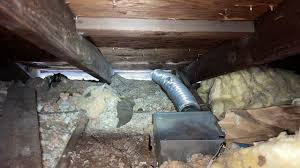
In many older homes, ductwork runs through attic spaces where temperatures can become extremely high. When cool air passes through ducts in a hot attic, condensation may form on duct surfaces.
If insulation is damaged or missing, water droplets can form and drip onto insulation or ceiling materials below. Over time, this moisture may cause staining, odors, or mold growth.
Attic inspections frequently reveal damp insulation or water marks that homeowners were unaware of.
Aging Drain Lines and Drain Pans
Another common issue in older houses is deterioration of condensate drain lines and pans.
Drain lines can clog with algae, dust, or debris, causing water to back up and overflow. Drain pans may corrode after years of exposure to moisture, allowing leaks to develop slowly.
Because these components are often located in closets or ceiling spaces, leaks may go unnoticed until visible damage appears.
Routine inspection of these parts is one of the most effective ways to prevent major repairs.
Duct Insulation Problems
Older duct systems often have insulation that has degraded over time. When insulation becomes thin or damaged, warm humid air contacts the cooler metal duct surface, causing condensation.
This condensation may drip into ceilings or walls, sometimes far from the actual AC unit. In restoration work, technicians frequently find moisture damage in areas that seem unrelated to the HVAC system, only to trace it back to duct condensation.
Proper duct insulation is essential in preventing this type of moisture problem.
Hidden Moisture That Often Goes Undetected
One of the biggest challenges with AC moisture issues is that damage often develops in areas that are not visible.
Moisture may remain trapped:
- Inside ceiling cavities
- Beneath flooring near air handlers
- Behind walls around drain lines
- Inside insulation
Professionals using moisture meters and thermal imaging often discover damp areas days or weeks after the initial leak or overflow occurred.
Without proper drying, these hidden areas may lead to mold growth or structural damage.
Why DIY Fixes Often Do Not Solve the Problem
Some homeowners attempt to clear drain lines or wipe away visible moisture, assuming the problem is resolved. While these steps may help temporarily, they often do not address hidden moisture or underlying causes.
Household fans and small dehumidifiers usually cannot dry moisture trapped inside drywall or insulation. Without proper inspection, the source of the problem may remain, allowing moisture to return.
Professional moisture detection ensures that all affected areas are located and dried properly.
How Professional AC Moisture Repair Works
A thorough repair process typically begins with a detailed inspection of the HVAC system and surrounding materials.
This process may include:
- Inspecting and clearing condensate drain lines
- Checking evaporator coils and drain pans
- Measuring moisture levels in walls and ceilings
- Drying affected areas with air movers and dehumidifiers
- Repairing or replacing damaged duct insulation
Companies such as Tip Top Water and Fire Damage Restoration often perform these services in Sunny Isles Beach homes where aging systems and coastal conditions contribute to hidden moisture issues.
Proper drying and repair help prevent recurring damage.
Mold Risks in Older Houses
Warm temperatures and high humidity create ideal conditions for mold growth when moisture is present. Older houses may be especially vulnerable because ventilation is sometimes less effective than in newer construction.
Mold often develops in:
- Wet insulation
- Damp drywall near ducts
- Ceiling cavities with poor airflow
Early moisture repair significantly reduces the likelihood of mold remediation becoming necessary.
Structural Effects of Long-Term Moisture
Moisture from AC systems does not only affect air quality—it can also damage building materials over time.
Possible effects include:
- Warping of wood trim and flooring
- Deterioration of drywall
- Rust on metal components
- Damage to insulation
In coastal environments like Sunny Isles Beach, salt air can accelerate corrosion when moisture is present, making early repair especially important.
Preventing Future AC Moisture Problems
Preventive maintenance is one of the most effective ways to reduce moisture issues in older homes.
Helpful steps include:
- Cleaning condensate drain lines regularly
- Inspecting duct insulation periodically
- Replacing filters on schedule
- Checking attic ventilation
- Scheduling annual HVAC inspections
Monitoring indoor humidity levels also helps detect potential problems early.
Why Local Experience Matters
AC moisture repair in coastal South Florida requires understanding how humidity, salt air, and older construction methods affect HVAC systems.
Professionals familiar with Sunny Isles Beach know where condensation tends to form and how to dry structures effectively in humid environments.
Tip Top Water and Fire Damage Restoration has experience working in Sunny Isles Beach, Bal Harbour, and North Miami Beach, where older homes frequently experience AC-related moisture issues.
Local knowledge helps ensure that repairs address both visible damage and hidden moisture.
A Practical Approach to Long-Term Protection
AC moisture problems in older houses often begin quietly but can lead to significant repairs if ignored. Recognizing warning signs early, maintaining HVAC systems regularly, and addressing small leaks promptly help prevent larger issues.
For homeowners and property managers in Sunny Isles Beach, staying proactive with inspections and maintenance is the best way to protect both the structure and indoor air quality of a property.
Addressing moisture early keeps homes comfortable, preserves building materials, and reduces the risk of recurring damage in the future.