Smart Planning for Long-Term Protection: Water Removal Challenges in Bal Harbour
Water damage in Bal Harbour is rarely a simple cleanup job.
Between oceanfront high-rises, luxury condominiums, and waterfront estates, water intrusion here behaves differently than in inland areas. Add South Florida’s humidity, salt-heavy coastal air, and frequent heavy rain, and water removal becomes more than just extraction—it becomes strategic planning.
Homeowners and property managers in Bal Harbour, Surfside, North Miami, and Sunny Isles Beach often assume once standing water is gone, the problem is solved. In reality, long-term protection depends on understanding the deeper challenges unique to this coastal environment.
What Water Removal Really Means
Water removal is not just vacuuming up visible water.
True water mitigation involves:
- Identifying the source of intrusion
- Extracting standing water
- Locating hidden moisture
- Drying structural materials
- Preventing secondary damage
- Stabilizing indoor humidity
In Bal Harbour properties, water often travels further than expected. It seeps beneath marble tile, behind cabinetry, into drywall cavities, and under baseboards.
Without professional moisture detection, water can remain trapped long after surfaces appear dry.
Why Water Removal Is More Challenging in Bal Harbour
Bal Harbour sits directly along the Atlantic coastline. That location introduces several distinct factors:
Coastal Humidity
Outdoor humidity levels in this region remain high year-round. Even during “dry” seasons, the air contains significant moisture. This slows evaporation and makes passive drying ineffective.
Salt Air Exposure
Salt in the coastal air accelerates corrosion. When building materials become wet, metal components—fasteners, framing connectors, appliance parts—can deteriorate faster than inland structures.
High-Rise Construction
Many properties in Bal Harbour are multi-story condominiums. Water doesn’t just spread horizontally—it travels vertically through ceilings, walls, and mechanical chases.
Luxury Finishes
Marble floors, custom cabinetry, high-end woodwork, and built-in systems require careful drying techniques. Aggressive demolition can cause unnecessary damage if not planned properly.
These factors demand a methodical approach rather than quick extraction alone.
Common Causes of Water Intrusion in Bal Harbour
In our work across Bal Harbour, Miami Shores, and North Miami Beach, the most common sources include:
- AC condensation line failures
- Slab leaks
- Appliance hose ruptures
- Storm-driven rain intrusion
- Balcony drainage issues
- Plumbing failures in upper floors
- Roof drainage blockages
Air conditioning systems are a major contributor. Because AC units run nearly year-round in South Florida, clogged condensate lines frequently lead to slow leaks that go unnoticed until ceilings stain or flooring warps.
Storm events also present challenges. Heavy seasonal rains and tropical systems push water into window tracks, door thresholds, and roof penetrations.
Signs Homeowners Notice First
Water damage doesn’t always announce itself dramatically.
In Bal Harbour condos and homes, early signs often include:
- Subtle floor cupping
- Discoloration on ceilings
- Musty smells
- Baseboards separating from walls
- Bubbling paint
- Increased indoor humidity
Property managers in Aventura and Surfside often report small ceiling stains that later reveal widespread saturation above.
The key is early response. The longer moisture remains, the more invasive the restoration becomes.
Hidden and Overlooked Water Sources
One of the biggest misconceptions is assuming water remains where it is visible.
In reality:
- Water migrates under tile and stone
- It travels through drywall cavities
- It seeps into insulation
- It spreads beneath built-in cabinets
- It collects in slab voids
Bal Harbour properties often feature slab foundations or concrete subfloors. While concrete appears solid, moisture can linger beneath flooring adhesives and padding layers.
Thermal imaging and moisture mapping are often required to determine the full scope.
Without proper detection, hidden moisture can later lead to mold growth or structural weakening.
Why DIY Water Removal Falls Short
It is common for property owners to rent fans or shop vacuums after a leak.
While this may remove surface water, it rarely addresses moisture embedded in structural materials.
Household equipment lacks:
- High-capacity extraction power
- Commercial dehumidification capability
- Moisture monitoring tools
- Airflow management systems
In coastal areas like Bal Harbour, simply running fans often increases humidity inside the property if outdoor air is drawn in.
Improper drying can result in:
- Warped hardwood
- Delaminated engineered flooring
- Mold formation
- Odor retention
- Structural material breakdown
Professional water removal is about controlled drying—not just airflow.
Professional Water Removal & Moisture Detection Explained
A proper water mitigation process begins with inspection.
This includes:
- Moisture meter readings
- Infrared thermal imaging
- Humidity level measurement
- Source identification
- Damage mapping
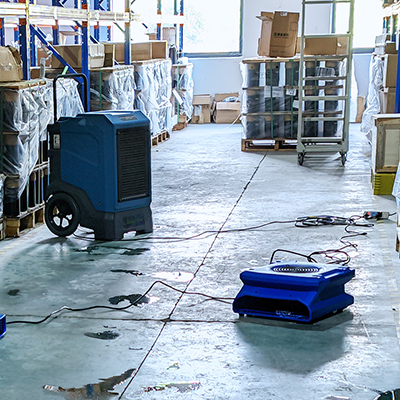
Once the affected areas are identified, high-powered extraction removes standing water. Then, air movers and dehumidifiers are strategically placed to create balanced airflow.
In high-rise settings, containment may be required to prevent humidity migration to unaffected areas.
Technicians monitor moisture levels daily to confirm structural drying—not guess based on appearance.
This is especially important in Bal Harbour, where dense construction and luxury materials require careful control.
Structural Drying and Controlled Demolition
Not all materials must be removed after water exposure.
However, some materials cannot be salvaged.
Drywall saturated from clean water may be dried if addressed quickly. But insulation typically requires removal. Cabinet bases and engineered wood often need selective demolition.
The goal is precision.
In North Miami and Biscayne Park homes, slab leaks may require partial floor removal. In Bal Harbour condos, ceiling cavities may need controlled access.
The difference between strategic drying and unnecessary demolition comes down to experience.
The Risk of Secondary Mold Growth
Water damage in South Florida carries a unique risk: mold.
With constant humidity and warm temperatures, microbial growth can begin within days if moisture remains trapped.
Bal Harbour’s coastal environment increases this risk. Airborne spores are common, and organic building materials provide a food source when damp.
Water removal and mold prevention are closely connected.
Proper drying, air filtration, and moisture verification are essential for long-term protection.
Air Conditioning Systems and Moisture Management
AC systems play a critical role in both causing and preventing water damage.
Common issues include:
- Clogged condensate lines
- Rusted drain pans
- Improper insulation on ducts
- Excessive condensation
In luxury high-rises, HVAC systems often run continuously. If not maintained, minor condensation can become significant water intrusion.
Air duct cleaning and moisture-related AC repair are sometimes necessary after water damage to prevent recurring issues.
Balanced humidity control is essential in Bal Harbour properties.
Long-Term Protection Strategies
Smart planning goes beyond emergency removal.
Property owners in Bal Harbour and nearby Miami Shores can reduce future water damage by:
- Scheduling regular AC maintenance
- Installing overflow safety switches on condensate lines
- Ensuring balcony drains remain clear
- Sealing windows and doors properly
- Monitoring indoor humidity
- Performing routine moisture inspections
Preventative maintenance is often more affordable than repeated emergency restoration.
Coastal properties demand ongoing vigilance.
Why Local Experience Matters
Water removal in Bal Harbour is different from inland Florida communities.
The combination of:
- Salt air
- Coastal storms
- Luxury finishes
- High-rise construction
- Year-round humidity
creates restoration conditions that require local knowledge.
Working across Bal Harbour, Sunny Isles Beach, North Miami, and Surfside provides firsthand understanding of how water behaves in these structures.
Companies such as Tip Top Water and Fire Damage Restoration approach water mitigation with this regional awareness, focusing not only on removal but on long-term structural stability.
Local familiarity with slab foundations, older Miami Shores homes, and modern oceanfront towers ensures a more accurate restoration plan.
Moving Forward with Confidence
Water intrusion is disruptive, but it does not have to become a long-term problem.
The key is acting quickly and planning intelligently.
In Bal Harbour, smart water removal means:
- Identifying the full scope
- Controlling humidity
- Drying structural materials properly
- Protecting HVAC systems
- Monitoring moisture levels
- Preventing secondary damage
When handled methodically, even significant water events can be stabilized and restored without ongoing complications.
Homeowners and property managers in Bal Harbour, North Miami Beach, Aventura, and surrounding coastal neighborhoods benefit from understanding the unique challenges of this environment.
Water removal is not just about what you can see. It is about protecting the integrity of your property for years to come.