
Understanding Mold Inspection in North Miami Beach in Waterfront Properties
Waterfront living in North Miami Beach offers stunning views, ocean breezes, and close proximity to the Intracoastal and Biscayne Bay. However, these same features that make waterfront properties desirable also create ideal conditions for moisture problems and mold growth. High humidity, salt air exposure, frequent rain, and constant air conditioning use make mold inspection a critical part of property maintenance for homeowners, landlords, and property managers in this area.
Understanding how mold inspection works—and why it is especially important for waterfront properties—helps prevent costly damage and long-term indoor air quality issues.
What Mold Inspection Really Involves
A mold inspection is not simply a visual check for dark spots on walls. In waterfront properties, mold often develops in hidden areas long before it becomes visible. A proper inspection evaluates moisture conditions, building materials, airflow patterns, and areas prone to condensation.
Inspectors look for both active mold growth and conditions that allow mold to develop. This includes identifying moisture intrusion, trapped humidity, and areas where ventilation is inadequate.
The goal is to understand not just where mold exists, but why it is forming.
Why Waterfront Properties in North Miami Beach Are High Risk
North Miami Beach properties face constant exposure to humid marine air. Even when windows remain closed, moisture enters through small gaps, doors, and ventilation systems. Salt air also accelerates wear on building materials and HVAC components, making them more susceptible to condensation and corrosion.
Many waterfront homes and condos rely heavily on air conditioning throughout the year. Extended AC operation produces significant condensation, and if drainage systems are not functioning perfectly, moisture can accumulate behind walls, above ceilings, or inside ducts.
Additionally, waterfront properties often experience wind-driven rain during storms, which can force water into roof lines, windows, balconies, and exterior walls.
These combined factors make mold inspections especially important for coastal buildings.
Common Mold-Prone Areas in Waterfront Homes
During inspections in North Miami Beach waterfront properties, mold is frequently found in areas that homeowners rarely check. These include:
Behind drywall near exterior walls
Under sinks and behind cabinets
Around AC air handlers and drain pans
Inside closets along exterior walls
Above ceilings near ductwork
Inside HVAC ducts and vents
Under flooring near sliding doors
Because moisture spreads silently, mold can grow extensively before visible signs appear.
Signs That Suggest a Mold Inspection Is Needed
Some mold problems are obvious, while others present subtle warning signs. Homeowners often request inspections after noticing:
Persistent musty or damp odors
Visible spotting on walls or ceilings
Peeling paint or bubbling drywall
Condensation around vents or windows
Unexplained indoor humidity
Worsening indoor air comfort
In waterfront properties, these signs should never be ignored, as moisture issues tend to escalate quickly.
Hidden Moisture and Mold Sources
One of the most important aspects of mold inspection is identifying hidden moisture. Many waterfront homes show no visible leaks but still suffer from ongoing dampness inside building materials.
Common hidden sources include:
Clogged AC condensate drain lines
Poorly insulated ductwork sweating in ceilings
Leaking windows exposed to salt air corrosion
Balcony or terrace water intrusion
Roof penetrations allowing wind-driven rain
Plumbing lines running through walls
Without identifying these moisture sources, mold removal efforts are often ineffective.
Why Visual Inspections Alone Are Not Enough
In high-humidity coastal environments, mold frequently grows out of sight. Visual inspections alone miss moisture trapped behind surfaces or inside cavities.
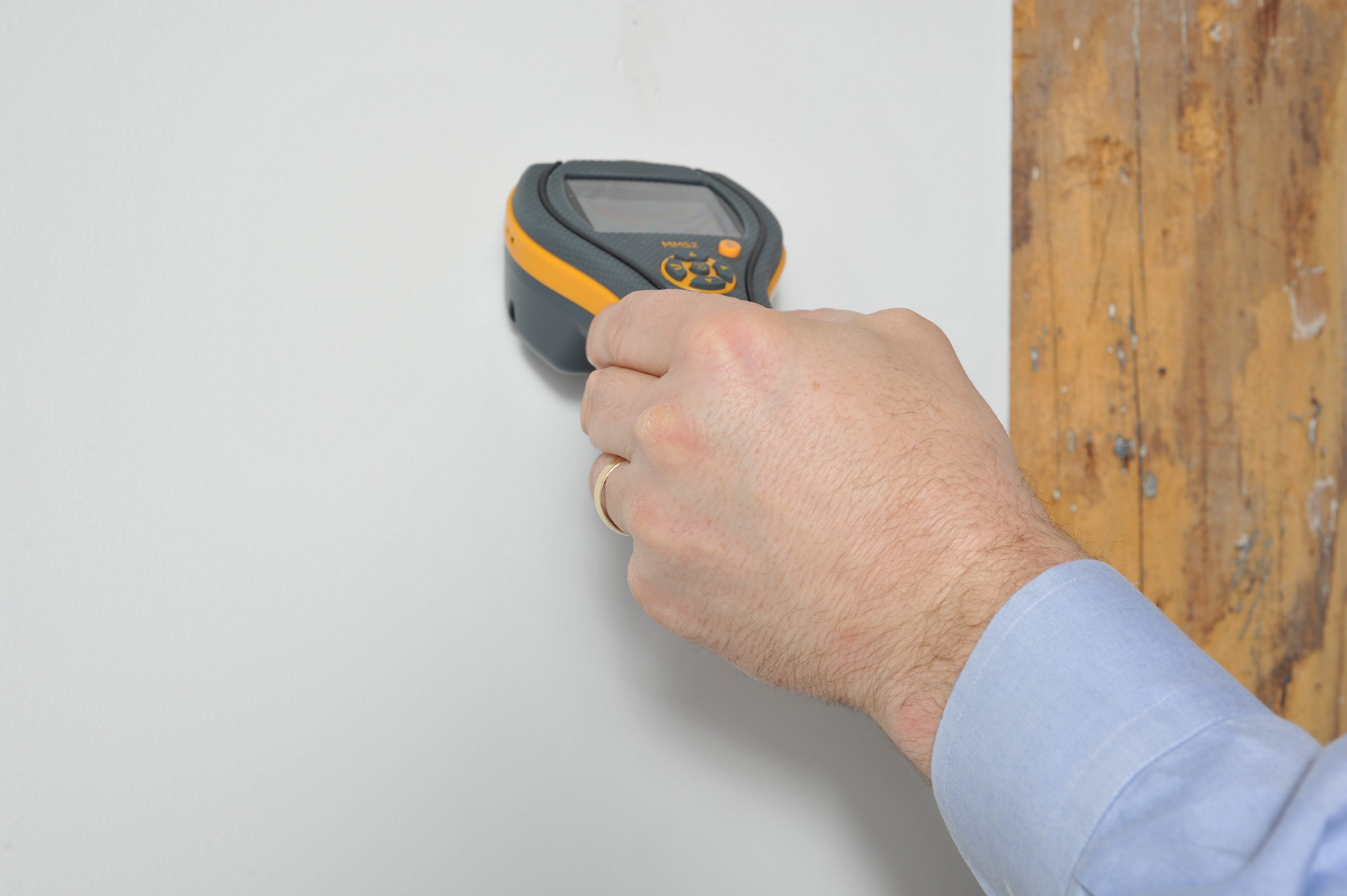
Professional inspections use moisture meters and thermal imaging to detect damp areas inside walls, ceilings, and floors. These tools reveal problems long before mold becomes visible.
Air sampling or surface testing may also be used to confirm mold presence and evaluate indoor air quality, especially in properties with persistent odors or occupant complaints.
The Role of HVAC Systems in Waterfront Mold Issues
Air conditioning systems play a major role in mold development in waterfront homes. When systems run continuously, condensation increases. If drain lines clog or insulation fails, moisture escapes into surrounding areas.
Ductwork located in hot attic spaces often sweats when insulation is compromised. Mold can then grow on or inside ducts and spread throughout the home when the system runs.
A thorough mold inspection always includes evaluation of the HVAC system and surrounding areas.
What Happens After a Mold Inspection
After inspection, homeowners receive a clear understanding of findings and next steps. This may include recommendations for moisture repairs, ventilation improvements, or mold remediation if contamination is confirmed.
Not every inspection results in mold removal. In some cases, early detection allows moisture problems to be corrected before mold becomes widespread.
When remediation is necessary, addressing the moisture source is always the first priority to prevent recurrence.
Mold Inspection During Real Estate Transactions
Mold inspections are especially common during waterfront property sales in North Miami Beach. Buyers want reassurance that moisture and mold issues are not hidden behind cosmetic upgrades.
Sellers also benefit from inspections, as identifying and addressing issues early prevents delays or renegotiations during closing.
Because waterfront properties face higher moisture exposure, inspections provide valuable peace of mind for all parties involved.
Preventing Mold Problems in Waterfront Properties
Prevention is ongoing in coastal environments. Homeowners can reduce mold risk by monitoring indoor humidity, maintaining AC systems, and addressing leaks immediately.
Regular inspections, especially after storms or extended humid periods, help identify issues early. Keeping indoor humidity below recommended levels and ensuring proper ventilation in kitchens, bathrooms, and closets is essential.
Small preventive steps often save thousands in future repairs.
Why Local Experience Matters in Mold Inspection
Waterfront mold behavior differs from inland properties. Professionals familiar with North Miami Beach understand local construction styles, coastal airflow patterns, and recurring moisture trouble spots.
Local experience allows inspectors to focus on the most vulnerable areas, reducing guesswork and improving accuracy.
Companies like Tip Top Water and Fire Damage Restoration often encounter mold issues unique to waterfront homes, including salt-related corrosion and condensation patterns that inexperienced inspectors may overlook.
A Practical Approach for Waterfront Homeowners
Mold inspection is not about fear—it’s about awareness and prevention. Waterfront living brings beauty and comfort, but it also requires proactive moisture management.
If you own or manage a waterfront property in North Miami Beach and notice signs of moisture or mold, scheduling an inspection helps protect both the structure and indoor environment.
Early action keeps minor issues from becoming major problems and ensures waterfront homes remain safe, comfortable, and well-maintained year-round.