Mold Testing in Aventura: A Practical Home Maintenance Guide
Aventura is a vibrant coastal city known for its high-rise condos, luxury residences, and scenic proximity to waterways like Biscayne Bay. While the area offers beautiful living spaces, the tropical climate, high humidity, and frequent storms create conditions where mold can thrive. For homeowners, landlords, and property managers, understanding the importance of mold testing is crucial to maintaining a safe, healthy, and structurally sound home.
Mold is more than just a cosmetic issue—it can damage walls, ceilings, flooring, and HVAC systems while affecting indoor air quality. Properties in Aventura, North Miami, Sunny Isles Beach, Bal Harbour, Miami Shores, Surfside, Biscayne Park, and nearby coastal neighborhoods are particularly vulnerable. Professional mold testing provides a clear understanding of the scope of contamination, guides effective remediation, and helps prevent recurring issues.
Why Mold Testing Matters in Coastal Homes
Mold grows when spores find moisture, warmth, and organic material to feed on. In Aventura, homes often have high humidity year-round, air conditioning systems that generate condensation, and proximity to saltwater that accelerates moisture-related damage. These factors make mold testing a critical component of home maintenance.
Benefits of Mold Testing:
- Identify Hidden Contamination
Mold can develop behind walls, under flooring, in attics, or inside HVAC ducts. Testing helps locate growth that is not visible to the naked eye. - Assess Health Risks
Airborne mold spores can affect indoor air quality, potentially triggering allergy-like symptoms or respiratory irritation. Testing identifies the type and concentration of mold, providing insights into potential health impacts. - Guide Remediation Efforts
Accurate testing informs the scope of professional mold removal, ensuring contaminated areas are addressed without unnecessary demolition. - Protect Property Value
Early identification and remediation prevent structural damage and preserve both aesthetic and financial value.
Common Sources of Mold in Aventura Properties
Mold in coastal homes typically develops in areas exposed to moisture or poor ventilation:
- Bathrooms and Kitchens: High humidity, plumbing leaks, and condensation around sinks, showers, and dishwashers.
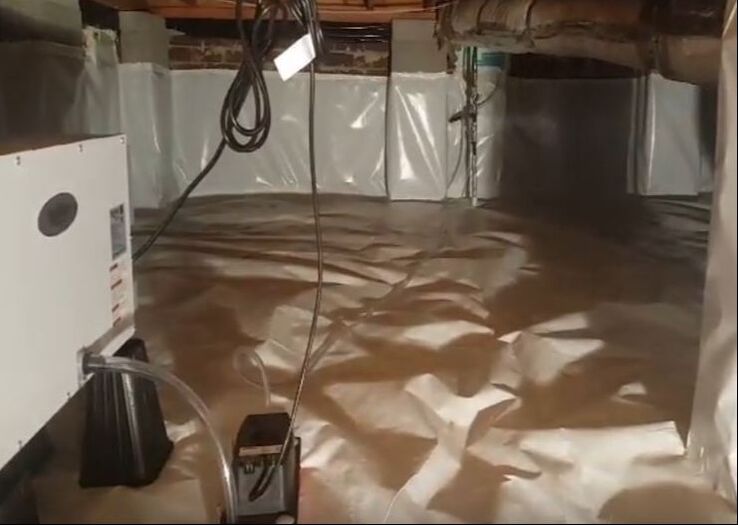
- Basements and Crawl Spaces: Poor ventilation combined with flooding or groundwater intrusion.
- Attics: Roof leaks or inadequate insulation trapping moisture.
- AC Systems and Ductwork: Condensation from drip pans or clogged lines creates hidden damp environments.
- Exterior Walls and Windows: Improper seals allow rainwater or coastal moisture to penetrate.
Even minor leaks, if left untreated, can lead to rapid mold growth within days in Aventura’s warm, humid environment.
Signs That Mold Testing Is Necessary
While some mold is visible, often it develops hidden behind walls or under flooring. Homeowners should consider testing when observing:
- Persistent musty odors in certain rooms
- Discoloration or water stains on walls, ceilings, or baseboards
- Allergy-like symptoms among occupants
- Warped or bubbling flooring or drywall
- Visible mold in high-humidity areas that may have spread beyond surface areas
Proactive testing prevents small, hidden problems from escalating into major remediation challenges.
Types of Mold Tests
Professional mold testing can take multiple forms depending on the suspected problem:
1. Air Sampling
Measures airborne spores to determine the concentration and type of mold present in living spaces. Air sampling is especially important for detecting hidden mold or evaluating indoor air quality.
2. Surface Sampling
Collects samples from visible mold growth or suspected contaminated surfaces using swabs, tape lifts, or contact plates. This helps identify the specific species of mold present.
3. Bulk Sampling
Removes sections of building materials, such as drywall or insulation, to analyze embedded mold growth. This is particularly useful when assessing structural materials for hidden contamination.
4. Moisture Mapping
Moisture meters and thermal imaging detect damp areas where mold is likely to develop, even if spores are not yet visible.
Combining these testing methods gives a comprehensive picture of mold presence, sources, and risks.
Real-World Observations in Aventura Properties
Experience working in Aventura and nearby coastal communities has highlighted several patterns:
- Rapid Mold Growth: In high-humidity conditions, mold can begin colonizing within 24–48 hours of water intrusion.
- Hidden Sources: Attics, crawl spaces, and HVAC systems often harbor mold unseen during routine inspections.
- Recurring Problems: Without addressing moisture sources, mold can return even after partial cleaning.
- High-Risk Areas: Bathrooms, kitchens, and water-prone rooms in high-rise condos are consistently the most affected.
Understanding these patterns emphasizes the importance of professional testing to guide effective remediation.
Why DIY Testing Falls Short
While home test kits are available, they have significant limitations:
- Limited Accuracy: DIY kits often detect mold presence but cannot quantify concentration or identify species accurately.
- Missed Hidden Mold: Kits do not access areas behind walls, under flooring, or inside ducts.
- Improper Handling: Collecting and sending samples incorrectly can lead to false negatives or inconclusive results.
Professional testing ensures reliable results and informs a targeted remediation plan.
Steps in Professional Mold Testing
Professional mold testing involves a structured approach:
- Visual Inspection
Technicians assess for visible signs of moisture or mold and identify high-risk areas. - Sampling Plan
Based on initial observations, technicians select appropriate air, surface, or bulk samples to capture the scope of contamination. - Laboratory Analysis
Samples are sent to certified labs for identification and quantification of mold species. - Moisture Assessment
Moisture mapping helps identify hidden water sources contributing to mold growth. - Reporting and Recommendations
A detailed report outlines findings, identifies affected areas, and recommends remediation or preventive measures.
Preventing Mold in Aventura Homes
Once testing confirms the presence of mold or identifies at-risk areas, homeowners should implement preventive strategies:
- Prompt Water Damage Response: Address leaks, flooding, and AC overflows immediately.
- Humidity Control: Use dehumidifiers, maintain AC systems, and monitor indoor moisture levels.
- Proper Ventilation: Ensure attics, crawl spaces, and bathrooms have adequate airflow.
- Routine HVAC Maintenance: Clean ducts, drip pans, and condensate lines to prevent hidden moisture.
- Seal Windows and Exterior Walls: Prevent rainwater intrusion and minimize moisture infiltration.
- Regular Inspections: Periodically check high-risk areas for early signs of mold.
Proactive measures reduce the likelihood of recurring mold problems and maintain healthy indoor air quality.
The Importance of Local Expertise
Mold behavior in coastal Aventura homes is influenced by climate, humidity, salt exposure, and building construction. Restoration professionals familiar with South Florida conditions understand:
- How mold spreads in high-humidity, coastal environments
- Which areas are most vulnerable in high-rise condos and single-family homes
- Effective remediation methods for both visible and hidden mold
- Strategies to prevent recurrence in coastal properties
Tip Top Water and Fire Damage Restoration has extensive experience serving Aventura, North Miami, Sunny Isles Beach, Bal Harbour, Miami Shores, Surfside, Biscayne Park, and nearby neighborhoods. Their expertise ensures accurate testing, effective remediation, and long-term protection.
Moving Forward After Mold Testing
Mold testing is not a one-time task but part of an ongoing home maintenance plan:
- Act Quickly on Findings: Address any detected mold promptly to prevent spread.
- Engage Professionals: Certified remediation specialists ensure thorough removal and moisture control.
- Implement Preventive Measures: Reduce humidity, seal vulnerable areas, and maintain HVAC systems.
- Monitor Indoor Air Quality: Periodically check for changes in humidity, odors, or visible mold signs.
By integrating mold testing into routine property maintenance, homeowners and property managers in Aventura can protect their investment, maintain occupant health, and ensure their homes remain safe, comfortable, and structurally sound.