What to Expect During Inspection and Repair: Black Mold Removal Challenges in Sunny Isles Beach
Sunny Isles Beach is known for ocean views, high-rise condos, and humid coastal air. While that climate is great for beachgoers, it also creates the perfect environment for mold growth—especially black mold. Property owners often discover mold after a leak, AC issue, or storm, and many are unsure what the inspection and repair process actually involves.
Understanding what happens during black mold inspection and remediation helps homeowners and property managers stay calm, make informed decisions, and prevent long-term damage.
What Black Mold Problems Usually Look Like
Black mold rarely appears overnight. In most Sunny Isles Beach properties, mold develops gradually in areas where moisture lingers. Bathrooms, air-conditioning closets, ceilings under roof leaks, and walls near windows are common problem spots.
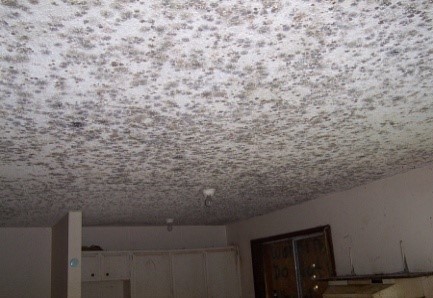
Black mold often appears as dark patches or staining on drywall, baseboards, or ceilings. In some cases, it spreads behind walls or under flooring long before it becomes visible. By the time mold is clearly noticeable, moisture has usually been present for weeks or months.
Why Mold Challenges Are So Common in Sunny Isles Beach
Several local conditions make mold removal more complicated in this area.
High humidity is one of the biggest factors. Even when there is no visible leak, indoor humidity can stay elevated for long periods, especially in properties near the water.
Storm-driven rain also plays a role. Wind can push moisture into small structural gaps around windows, balconies, or roofs. After storms pass, that trapped moisture often remains hidden inside walls.
Air-conditioning systems are another major contributor. Condensation from AC units, clogged drain lines, or poorly insulated ducts can create damp conditions inside walls or ceilings. In many inspections across Sunny Isles Beach and nearby areas like Aventura and Bal Harbour, AC moisture turns out to be the root cause of mold growth.
Common Signs Property Owners Notice
Homeowners often contact professionals after noticing certain warning signs.
A musty or damp odor is usually the first clue. The smell often becomes stronger after the AC runs or during humid weather.
Discoloration on ceilings or walls is another sign. Paint may bubble or peel, and drywall can feel slightly soft.
Some property owners notice recurring condensation around vents or windows. Others find small dark spots along baseboards or inside closets.
These signs don’t always indicate severe damage, but they do suggest moisture is present somewhere in the structure.
Hidden or Overlooked Sources of Mold
One of the biggest challenges in black mold removal is locating hidden moisture sources.
Leaks behind shower walls, slow plumbing drips under sinks, and condensation inside ductwork are frequently overlooked. Roof leaks are another common issue in older buildings throughout Sunny Isles Beach and Miami Shores.
Poor ventilation can also trap humidity in closets, laundry rooms, or storage areas. Over time, that trapped moisture allows mold to spread behind surfaces where it cannot be seen without proper inspection tools.
Why DIY Mold Removal Usually Fails
Many property owners attempt to clean mold with household cleaners or bleach. While this may remove surface staining, it rarely addresses the root cause.
Mold often grows inside porous materials like drywall or wood. Cleaning the surface does not remove the spores embedded deeper inside the material. As long as moisture remains, mold returns.
Another problem with DIY methods is incomplete drying. Even small amounts of trapped moisture can allow mold colonies to regrow within days.
Professional inspection focuses not only on cleaning visible mold but also identifying the moisture source and ensuring the structure is thoroughly dry.
Professional Mold Inspection and Testing Explained
During a professional inspection, the first step is a detailed visual evaluation of affected areas. Inspectors look for staining, moisture patterns, and structural conditions that allow mold growth.
Moisture detection equipment is often used to measure humidity levels inside walls, ceilings, and flooring. Thermal imaging may also help locate hidden damp areas.
Air sampling or surface testing may be recommended in some cases to confirm mold presence and identify affected zones. This step helps determine the scope of remediation needed.
In Sunny Isles Beach, inspections often focus on AC systems, exterior walls facing the ocean, and areas near windows where condensation forms frequently.
Proper Mold Removal and Remediation Process
Once the affected areas are identified, the remediation process begins.
Containment is typically set up first. This prevents mold spores from spreading to other parts of the property during cleanup. Plastic barriers and negative air systems are often used for this purpose.
Damaged materials such as drywall, insulation, or baseboards may need to be removed if mold has penetrated deeply. All surfaces are then cleaned using professional methods designed to remove spores effectively.
After cleaning, the area is thoroughly dried using specialized equipment. Drying is one of the most important steps, because mold cannot survive without moisture.
Finally, repairs are completed to restore walls, ceilings, or flooring to their original condition.
Flood Restoration and Water Damage Repair Considerations
In some cases, mold removal is only one part of the process. If mold developed after flooding or a major leak, water damage restoration may also be required.
This can include drying subfloors, replacing damaged structural materials, and ensuring moisture levels are safe before reconstruction begins.
Many properties in coastal communities like Surfside and Biscayne Park experience similar challenges, especially after heavy rains or plumbing failures.
Air Ducts, AC Systems, and Mold
Air-conditioning systems play a major role in mold issues across South Florida. Moisture inside ducts or air handlers can spread spores through the entire home if not addressed properly.
During inspections, technicians often examine ducts, vents, and drain lines. Cleaning or repairs may be recommended if moisture buildup is found.
Maintaining AC systems and ensuring proper drainage can significantly reduce the risk of recurring mold problems.
How to Prevent Mold in Sunny Isles Beach Homes
Prevention is often simpler than remediation.
Keeping indoor humidity under control is one of the most effective steps. Dehumidifiers and proper ventilation help reduce moisture levels.
Regular AC maintenance is also important. Cleaning drain lines and replacing filters helps prevent condensation buildup.
Inspecting roofs, windows, and plumbing periodically can catch small leaks before they become major problems. Even minor moisture issues can lead to mold if left unaddressed in a humid coastal climate.
Why Local Experience Matters
Mold problems in Sunny Isles Beach are different from those in inland areas. Coastal air, salt exposure, and year-round humidity create conditions that require specific inspection methods and drying techniques.
Professionals who regularly work in North Miami, North Miami Beach, and nearby communities understand how moisture behaves in these environments and where hidden problems are most likely to occur.
Companies such as Tip Top Water and Fire Damage Restoration have seen firsthand how quickly small moisture issues can escalate in coastal properties, which is why thorough inspection and proper drying are so important.
A Calm, Practical Next Step
Discovering black mold can feel stressful, but most situations can be handled effectively when addressed early. Understanding the inspection and repair process helps property owners make informed decisions and avoid unnecessary delays.
Moisture control, professional inspection, and proper remediation are the keys to restoring a property safely and preventing future problems. With the right approach, even challenging mold situations in Sunny Isles Beach can be resolved in a controlled and predictable way.