Water Leak Detection in North Miami When Humidity Stays High for Weeks: What to Watch For
In North Miami, high humidity is part of everyday life, especially during late spring and summer. But when humidity stays elevated for weeks at a time, even small plumbing leaks or minor moisture problems can quickly turn into serious structural issues. Water leak detection becomes critical in these conditions because moisture spreads faster, dries more slowly, and often remains hidden until damage is already underway.
Understanding what to watch for during long humid periods helps homeowners and property managers identify leaks early and prevent costly repairs.
What Water Leaks Really Mean for a Property
A water leak is not always dramatic or obvious. In many North Miami homes, leaks begin as slow drips behind walls, under sinks, or around air-conditioning systems. Over time, water saturates nearby materials such as drywall, wood framing, and insulation.
When humidity is high, evaporation slows significantly. This allows moisture to linger inside walls and flooring much longer than usual. Even a small leak can create a large area of hidden moisture within a few weeks.
The real concern is not just the leak itself but how moisture spreads through building materials and creates ideal conditions for mold growth and structural deterioration.
Why This Happens So Often in North Miami
North Miami’s coastal climate plays a major role in water damage patterns. Warm air holds large amounts of moisture, and during long humid stretches, indoor humidity levels often remain elevated even with air conditioning running.
Heavy rains and afternoon storms are common during humid months, and repeated rainfall keeps exterior walls, roofs, and soil damp. Moisture can gradually migrate into structures through small cracks, roof penetrations, or poorly sealed windows.
Air-conditioning systems also contribute to moisture problems. Condensation from drain lines or ducts can build up slowly, especially when humidity remains high day after day.
Older homes in areas like Miami Shores, Biscayne Park, and North Miami Beach may be particularly vulnerable because insulation and ventilation systems were not designed for today’s prolonged humidity patterns.
Common Signs Property Owners Notice
When humidity stays high for weeks, early signs of leaks are often subtle.
A persistent musty odor is one of the most common indicators. This smell usually becomes noticeable in enclosed areas such as closets, laundry rooms, or bedrooms along exterior walls.
Discoloration on ceilings or walls may appear as faint yellow or brown stains. Paint may begin to bubble or peel in areas where moisture is trapped.
Some homeowners notice that floors feel slightly damp or cooler than usual. Warping baseboards or minor swelling of wooden door frames can also signal hidden moisture.
Condensation on windows, vents, or tile surfaces is another warning sign that indoor humidity is high enough to support mold and moisture damage.
Hidden or Overlooked Sources of Leaks
One of the biggest challenges in water leak detection is locating the true source of moisture. The visible stain or damp area is not always where the leak originates.
Plumbing lines inside walls are a common cause of hidden leaks. Small pinhole leaks or loose fittings can release water slowly over long periods.
Roof leaks are another frequent issue, particularly after storms. Water may travel along beams or insulation before appearing as a stain several feet away from the actual entry point.
Air-conditioning systems are also a major contributor. Clogged condensate drain lines can overflow into walls or ceilings, and poorly insulated ducts can produce condensation that drips into surrounding materials.
In coastal neighborhoods near Aventura and Surfside, moisture intrusion sometimes occurs through exterior walls exposed to wind-driven rain and salt-heavy air.
Why DIY Leak Detection Often Misses the Problem
Many property owners rely on visual inspection alone to find leaks. While obvious plumbing failures are easy to identify, slow leaks and hidden moisture are much harder to locate without specialized tools.
Drywall and flooring can hold moisture long after surfaces appear dry. Without moisture meters or thermal imaging, it is difficult to determine how far water has spread.
Another common mistake is delaying inspection because damage appears minor. In humid conditions, even small leaks can lead to mold growth or structural damage within a short time.
Professional leak detection focuses on identifying moisture inside materials, not just visible water.
Professional Moisture Detection and Inspection
A thorough inspection begins with a detailed visual assessment of the property. Areas prone to leaks—such as bathrooms, kitchens, AC closets, and ceilings—are examined carefully.
Moisture meters are used to measure water content in walls, floors, and ceilings. These tools help identify damp areas that are not visible to the eye.
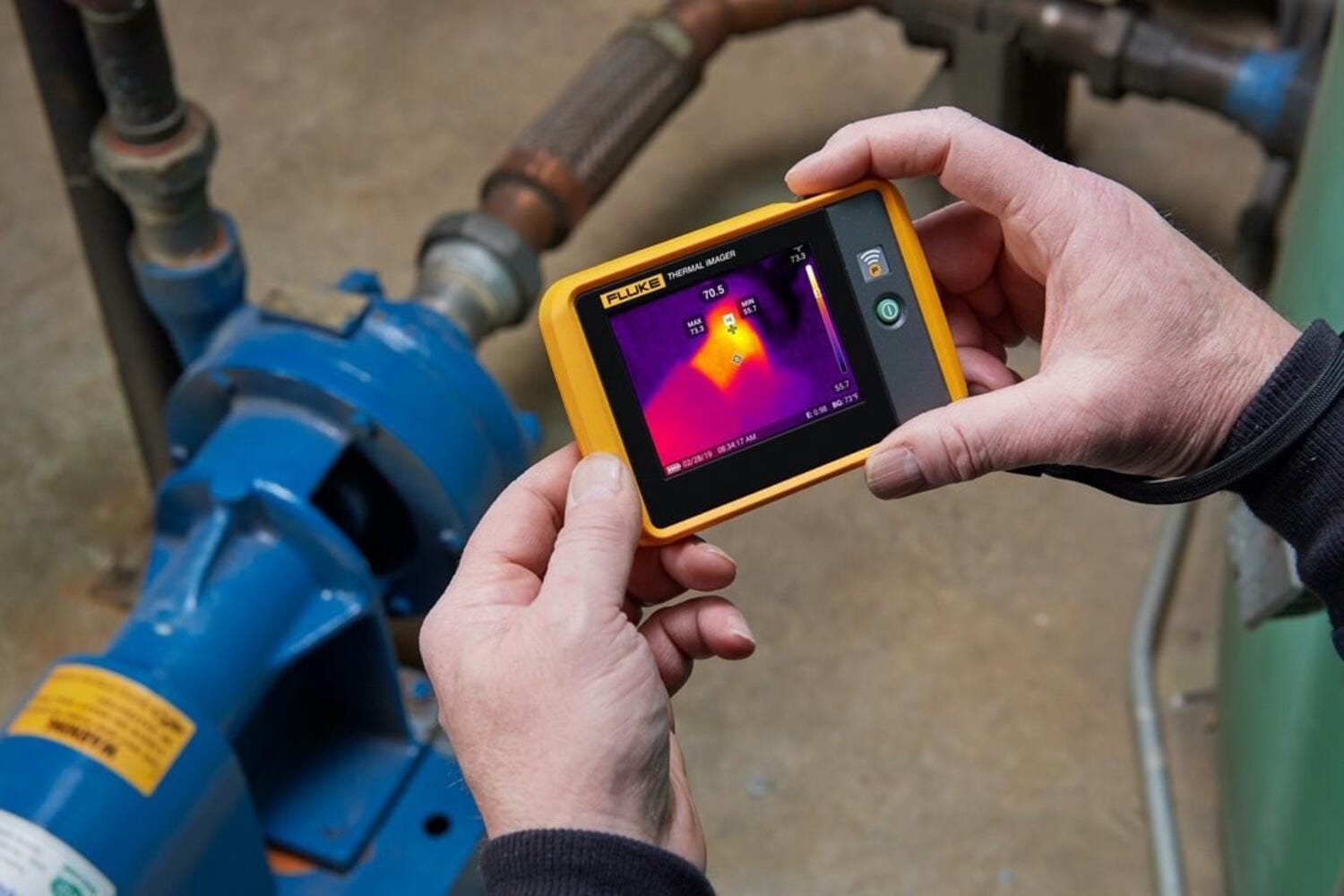
Thermal imaging cameras may also be used to detect temperature differences caused by moisture behind surfaces. This allows inspectors to locate leaks without unnecessary demolition.
Humidity levels inside the home are also measured. During extended humid periods in North Miami, controlling indoor humidity is often just as important as repairing the leak itself.
Companies such as Tip Top Water and Fire Damage Restoration frequently find hidden moisture in areas homeowners did not suspect, especially around AC systems and exterior walls.
The Water Removal and Drying Process
Once a leak is repaired, drying the affected area is essential. Removing moisture prevents mold growth and protects structural materials.
Drying typically begins with removing wet materials that cannot be restored, such as saturated insulation or severely damaged drywall. Air movers and dehumidifiers are then used to accelerate evaporation and remove moisture from the air.
Drying may take several days, especially when humidity outdoors remains high. Monitoring equipment is used to ensure moisture levels return to safe ranges before repairs begin.
Complete drying is critical. Even small pockets of trapped moisture can cause recurring problems later.
Repairs and Restoration After Drying
After drying is complete, damaged materials are repaired or replaced. This may include patching drywall, repainting walls, or replacing sections of flooring.
Baseboards and trim are often affected because water tends to accumulate at floor level. In some cases, minor structural repairs may also be necessary.
The goal of restoration is not only to restore appearance but also to ensure the structure is dry and stable.
Mold Risks During Extended Humidity
One of the biggest risks associated with leaks during humid weather is mold growth. Mold thrives in warm, damp environments and can begin developing within 24 to 48 hours when moisture is present.
High humidity makes this process even faster. Materials remain damp longer, giving mold spores more time to grow and spread.
Prompt leak detection and drying significantly reduce this risk and help maintain indoor air quality.
Air Ducts, AC Systems, and Humidity Control
Air-conditioning systems play a major role in managing indoor humidity. When systems are not functioning properly, humidity levels rise and drying becomes more difficult.
Dirty filters, clogged drain lines, or leaking ducts can all increase moisture levels inside a home. In many North Miami properties, condensation inside ducts contributes to hidden moisture problems.
Regular maintenance and periodic duct inspections help ensure the system removes humidity effectively.
Practical Prevention Tips for Homeowners
Preventing water damage begins with routine maintenance and early detection.
Inspecting plumbing fixtures, roofs, and AC systems regularly helps catch leaks before they spread. Keeping gutters and drainage systems clear also prevents water from entering structures.
Using a dehumidifier during extended humid periods can reduce moisture levels indoors and slow the spread of dampness.
After heavy rains, checking ceilings, walls, and flooring for early signs of moisture helps prevent long-term damage.
Why Local Experience Matters
Water leaks in coastal South Florida behave differently than in drier regions. High humidity, salt air, and frequent storms create conditions where moisture spreads quickly and dries slowly.
Professionals familiar with North Miami, Biscayne Park, and nearby communities understand how moisture behaves in these environments and where hidden leaks are most likely to occur.
Tip Top Water and Fire Damage Restoration has seen many cases where early leak detection prevented major repairs, especially during prolonged humid periods.
A Calm, Practical Next Step
Water leaks during extended humidity are common in North Miami, but they can be managed effectively when addressed early. Paying attention to subtle warning signs, scheduling inspections when needed, and ensuring thorough drying can prevent long-term structural damage.
With proper detection and moisture control, most leaks can be resolved before they turn into major restoration projects.