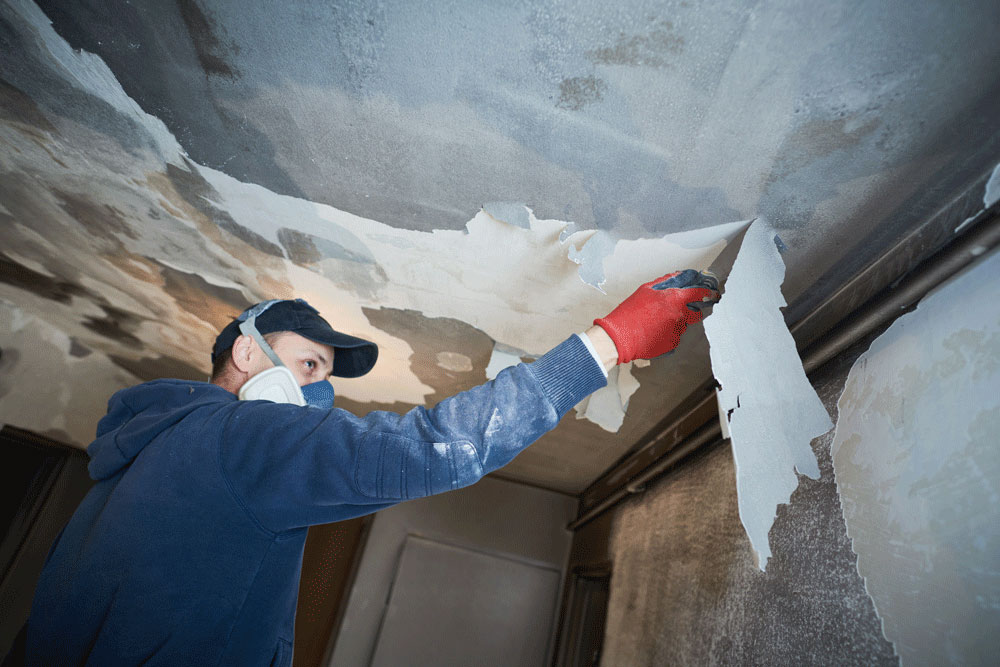
Explaining the Process of Smoke Damage Cleanup in Coastal Neighborhoods Near Biscayne Bay
Smoke damage is often associated with large fires, but in reality, even small kitchen fires, electrical issues, or neighboring unit incidents can leave lasting smoke contamination inside a property. In coastal neighborhoods near Biscayne Bay, smoke damage cleanup can be more complex than many homeowners expect. High humidity, salt air, and tightly sealed buildings often cause smoke particles and odors to linger longer than they would in drier climates.
Understanding how smoke damage cleanup works—and what challenges are common in coastal environments—helps property owners know what to expect and how to respond effectively.
What Smoke Damage Really Means Inside a Home
Smoke damage goes far beyond visible soot. When materials burn, they release microscopic particles that travel through the air and settle on walls, ceilings, furniture, and inside duct systems.
These particles are often oily and acidic. Over time, they can discolor paint, corrode metal surfaces, and leave persistent odors. In humid environments, smoke residue can also absorb moisture from the air, making odors stronger and more difficult to remove.
In many Biscayne Bay properties, smoke contamination spreads through ventilation systems, meaning areas far from the original source may still require cleaning.
Why Smoke Damage Cleanup Is More Challenging Near Biscayne Bay
Coastal conditions create several complications during cleanup.
Humidity is one of the biggest factors. Moist air allows smoke particles to cling to surfaces more firmly and slows the evaporation of cleaning agents used during restoration.
Salt in coastal air can also interact with soot residues, increasing the potential for staining or corrosion on metal fixtures and appliances.
Another challenge is building design. Many homes and condominiums in areas like North Miami, Surfside, and Miami Shores are tightly sealed to maintain air-conditioning efficiency. While this improves cooling, it also traps smoke particles indoors, allowing them to settle throughout the structure.
Storm season adds another layer of difficulty. If a fire occurs during periods of high humidity or heavy rain, drying and deodorizing the property may take longer.
Common Signs Property Owners Notice
After a fire or smoke event, some signs of damage are obvious, but others are subtle.
A lingering smoky odor is usually the first thing residents notice. The smell may be strongest in enclosed areas such as closets, cabinets, or rooms with limited airflow.
Discoloration on ceilings, walls, or vents is another common sign. Soot may appear as gray or black staining, often in irregular patterns.
Property owners sometimes notice that HVAC systems spread the odor throughout the home whenever the air conditioning turns on. This usually indicates that smoke particles have entered the duct system.
Even when surfaces appear clean, smoke residue may still be present and require professional cleaning.
Hidden or Overlooked Areas Affected by Smoke
One of the biggest challenges in smoke damage cleanup is identifying all affected areas.
Smoke particles easily travel into attics, crawl spaces, and inside wall cavities. Soft materials such as carpets, upholstery, and insulation can absorb odors deeply.
Air ducts are often overlooked. Once smoke enters a duct system, it can continue circulating odors and particles long after the original incident.
Cabinets, behind appliances, and inside light fixtures are also common locations where residue accumulates unnoticed.
Without a thorough inspection, these hidden areas can continue releasing odors even after visible soot has been cleaned.
Why DIY Smoke Cleanup Often Falls Short
Many homeowners attempt to clean smoke damage using household cleaners or air fresheners. While this may improve the appearance of some surfaces, it rarely removes embedded smoke particles.
Smoke residue bonds strongly to porous materials like drywall, wood, and fabrics. Surface cleaning alone cannot remove contaminants that have penetrated deeper layers.
Another common mistake is repainting or sealing surfaces without proper cleaning. This can trap odors beneath the surface, causing smells to return over time.
Professional cleanup focuses on removing residue at its source rather than masking odors.
Professional Inspection and Assessment
The first step in smoke damage cleanup is a detailed inspection. Technicians evaluate the extent of soot contamination and identify areas where smoke has traveled.
Specialized lighting and testing methods may be used to detect residue that is not visible under normal conditions. HVAC systems, insulation, and hidden cavities are carefully examined.
Humidity levels are also measured, since high moisture can slow cleanup and increase the risk of odor retention.
Companies such as Tip Top Water and Fire Damage Restoration often find that smoke has traveled much farther than homeowners initially realized, especially in properties with central air systems.
The Smoke Damage Cleanup Process
Cleanup typically begins with removing loose soot using specialized vacuum equipment designed to prevent particles from spreading.
Next, surfaces are cleaned using professional-grade solutions formulated to break down smoke residue without damaging building materials. Walls, ceilings, floors, and fixtures are all treated carefully.
Odor removal is an important part of the process. Air filtration equipment and deodorization methods help remove airborne particles and neutralize lingering smells.
If materials such as insulation, carpeting, or drywall are heavily contaminated, they may need to be removed and replaced.
Throughout the process, drying and ventilation are carefully managed to prevent moisture from interfering with cleaning efforts.
Repairs and Restoration After Cleanup
Once cleaning is complete, restoration work begins. This may include repainting walls, replacing damaged materials, or repairing sections of the structure affected by heat or smoke.
In coastal environments, ensuring surfaces are fully dry before repairs is essential. High humidity can trap moisture behind new materials if drying is incomplete.
The goal is to restore both the appearance and functionality of the property while preventing odors from returning.
HVAC Systems, Air Ducts, and Smoke Odors
Air duct systems often play a major role in smoke damage cases. Smoke particles can settle inside ducts and continue circulating odors even after surfaces have been cleaned.
Professional duct cleaning may be recommended to remove residue and improve indoor air quality.
Air-conditioning components such as coils and drain pans are also inspected, since moisture inside these systems can trap smoke particles and prolong odors.
In many Biscayne Bay properties, addressing the HVAC system is essential for complete odor removal.
Preventing Long-Term Smoke Damage
After cleanup is complete, several steps can help prevent lingering issues.
Maintaining proper humidity levels is important, especially in coastal environments. Dehumidifiers and well-maintained air-conditioning systems help prevent odors from reappearing.
Replacing air filters regularly also helps remove remaining airborne particles.
Periodic inspections of HVAC systems and ventilation areas can ensure that smoke residue does not remain in hidden areas.
Why Local Experience Matters
Smoke damage cleanup in coastal South Florida requires an understanding of how humidity, salt air, and building construction affect cleaning and drying.
Professionals familiar with North Miami, Biscayne Park, and nearby bayfront communities understand how smoke behaves in these environments and which areas are most likely to retain residue.
Tip Top Water and Fire Damage Restoration has handled many smoke damage cases where coastal humidity extended drying times and required specialized odor removal techniques.
Local experience helps ensure that cleanup is thorough and long-lasting.
A Calm, Practical Next Step
Smoke damage can feel overwhelming, but the cleanup process is systematic and effective when handled properly. Early inspection, thorough cleaning, and careful humidity control are the keys to restoring a property successfully.
By understanding what to expect during smoke damage cleanup, property owners in coastal neighborhoods near Biscayne Bay can respond quickly, reduce long-term damage, and restore their homes with confidence.