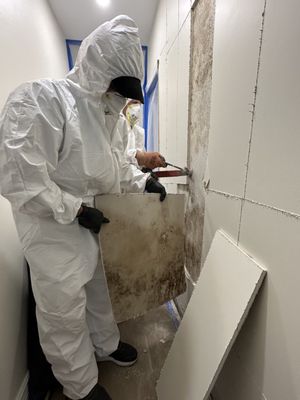
Understanding Flood Restoration in Bayfront Homes in North Miami After Plumbing Failures
Bayfront homes in North Miami offer spectacular views, waterfront access, and the luxury of living near Biscayne Bay. However, these properties are particularly vulnerable to water-related issues, not just from storms or hurricanes but also from plumbing failures. A burst pipe, leaky water heater, or failed appliance can quickly lead to flooding, causing structural damage, mold growth, and health risks if not addressed promptly.
For homeowners, landlords, and property managers in North Miami, understanding flood restoration after plumbing failures is essential. This guide explores the causes, the process of professional flood restoration, the challenges specific to bayfront properties, and preventive strategies to protect homes from long-term damage.
Why Flood Restoration Is Necessary After Plumbing Failures
Plumbing failures can introduce large volumes of water into living spaces, often with little warning. Unlike slow leaks, sudden failures can overwhelm carpets, hardwood floors, drywall, and personal belongings within minutes. Immediate flood restoration is crucial for several reasons:
- Preventing Structural Damage – Prolonged exposure to water can warp subfloors, weaken framing, and compromise walls.
- Mold Prevention – High humidity and trapped moisture provide ideal conditions for mold, which can appear within 24–48 hours.
- Preserving Indoor Air Quality – Standing water and residual moisture harbor bacteria and allergens.
- Reducing Repair Costs – Quick water extraction and drying limit the need for expensive replacements.
Bayfront homes, with their unique construction materials and exposure to coastal air, require professional attention to ensure water is fully removed and hidden moisture is identified.
Common Plumbing Failures That Lead to Flooding
Several plumbing issues commonly trigger flooding in North Miami bayfront homes:
1. Burst or Leaking Pipes
Old, corroded, or improperly installed pipes can rupture, releasing significant amounts of water. High water pressure or sudden temperature changes often contribute to these failures.
2. Water Heater Malfunctions
Water heaters may develop leaks or fail entirely, flooding basements, utility rooms, or adjacent living spaces.
3. Appliance Leaks
Washing machines, dishwashers, refrigerators with ice makers, and other water-connected appliances can malfunction and release water unexpectedly.
4. Clogged or Backed-Up Drains
Blocked sinks, toilets, or floor drains can cause water to overflow, especially during heavy usage.
5. Sump Pump Failures
Some bayfront properties rely on sump pumps to manage ground or stormwater. Malfunctioning pumps can lead to basement or ground-level flooding.
Recognizing these common sources helps property owners focus preventive efforts and respond more quickly when failures occur.
Signs That Flood Restoration Is Needed
Immediate action is essential when water intrusion occurs. Some clear indicators that flood restoration is necessary include:
- Standing Water – Water pooling on floors, carpets, or low areas demands immediate extraction.
- Damp or Warped Flooring – Wood, laminate, or tile may warp when water penetrates subflooring.
- Water Stains on Walls or Ceilings – Discoloration often indicates water seepage behind surfaces.
- Musty Odors – Lingering smells in walls, closets, or attics suggest hidden moisture.
- Soft or Sagging Materials – Carpets, drywall, or insulation that feels soft may be saturated.
- Electrical Issues – Short circuits, tripped breakers, or flickering lights can indicate water exposure near electrical systems.
Noticing these signs early allows for timely flood restoration, minimizing damage and health risks.
Challenges of Flood Restoration in Bayfront Homes
Bayfront properties in North Miami present specific challenges for flood restoration:
- High Humidity – Coastal air slows natural drying, requiring specialized dehumidification equipment.
- Salt Air Exposure – Salt from coastal air accelerates corrosion in pipes, fixtures, and structural components.
- Hidden Moisture – Water often becomes trapped under floors, behind walls, or in crawl spaces.
- Multi-Level Properties – Multi-story homes and condos require careful inspection to ensure water is removed from all levels.
- Furniture and Personal Belongings – Luxury furnishings and sensitive materials require careful drying and restoration techniques.
Professional flood restoration services are essential to overcome these challenges safely and efficiently.
Professional Flood Restoration Process
A structured approach ensures that water is removed and properties are restored to pre-damage conditions:
1. Assessment and Inspection
Technicians evaluate the property to identify water sources, affected areas, and potential risks, including structural and mold concerns.
2. Water Extraction
Industrial pumps and wet vacuums remove standing water from carpets, floors, and low-lying areas.
3. Drying and Dehumidification
High-powered air movers, fans, and dehumidifiers remove residual moisture from walls, subfloors, and ceilings.
4. Sanitization and Mold Prevention
Affected areas are treated with antimicrobial solutions to prevent mold growth and bacterial contamination.
5. Structural Assessment and Repair
Technicians inspect for warping, softening, or damage to framing, drywall, and flooring and recommend repairs as needed.
6. Restoration
Damaged materials, such as flooring, drywall, or insulation, are replaced, restoring the home to pre-flood conditions.
7. Post-Restoration Verification
Moisture levels are re-measured to ensure complete drying, preventing secondary damage and mold growth.
This thorough process ensures that both visible and hidden water is addressed, protecting the property from future problems.
Long-Term Benefits of Professional Flood Restoration
Timely flood restoration provides several key benefits for bayfront homeowners:
- Mold Prevention – Proper drying and sanitization prevent fungal growth and health hazards.
- Structural Protection – Water removal preserves framing, subflooring, and walls from long-term damage.
- Enhanced Indoor Air Quality – Eliminating moisture reduces bacteria, allergens, and musty odors.
- Cost Savings – Early intervention prevents extensive repairs and replacements.
- Property Value Preservation – Restored homes retain structural integrity and curb appeal.
Investing in professional flood restoration is both a safety measure and a long-term financial safeguard.
Preventive Measures for Plumbing-Related Floods
Proactive maintenance reduces the likelihood of flooding from plumbing failures:
- Regular Plumbing Inspections – Check pipes, faucets, water heaters, and appliances for leaks or corrosion.
- Install Leak Detection Devices – Sensors can alert homeowners to leaks early, minimizing damage.
- Maintain AC Systems – Ensure proper drainage to prevent condensation overflow.
- Seal Foundations and Entry Points – Inspect and repair any gaps where water may infiltrate.
- Tenant Education in Rentals – Encourage tenants to report leaks immediately.
- Annual Professional Assessment – Include moisture detection and system checks to catch potential failures early.
These steps help property owners protect their homes, reduce repair costs, and maintain a safe living environment.
Local Expertise Matters
Flood restoration in North Miami bayfront homes requires specialized knowledge:
- Understanding local climate, storm patterns, and high humidity
- Familiarity with construction types, including slab foundations, multi-story homes, and luxury properties
- Expertise in water extraction, drying, and mold prevention
- Coordination with AC maintenance, plumbing repair, and structural restoration
Tip Top Water and Fire Damage Restoration has extensive experience serving North Miami, Miami Shores, Bal Harbour, Sunny Isles Beach, Aventura, Surfside, and nearby coastal neighborhoods. Their local expertise ensures flood restoration is precise, effective, and tailored to the unique challenges of bayfront homes.
Moving Forward
For homeowners, landlords, and property managers in North Miami bayfront communities, proactive flood restoration is critical:
- Act immediately after plumbing failures to remove water and prevent damage.
- Engage professional services for extraction, drying, and sanitization.
- Inspect for hidden moisture behind walls, under flooring, and in crawl spaces.
- Monitor indoor humidity and maintain HVAC systems.
- Educate tenants on recognizing and reporting leaks promptly.
- Keep detailed records of inspections, water removal, and repairs for long-term property management.
By combining early detection, professional flood restoration, and preventive maintenance, North Miami bayfront homes remain safe, structurally sound, and protected from the long-term effects of water damage.