Mold Testing in Bayfront Homes in North Miami: A Practical Home Maintenance Guide
Bayfront homes in North Miami offer stunning views of Biscayne Bay, premium living spaces, and a connection to coastal lifestyle. However, these properties face unique challenges when it comes to home maintenance, particularly regarding moisture and mold. The combination of high humidity, coastal air, and occasional stormwater intrusion creates ideal conditions for mold growth, which can affect structural integrity and indoor air quality if left unchecked.
For homeowners, landlords, and property managers, understanding mold testing is essential to maintaining a safe, comfortable, and well-preserved property. This guide provides practical insights into why mold testing is necessary, common signs of mold, testing procedures, and preventive strategies tailored to bayfront homes in North Miami.
Why Mold Testing Is Essential in North Miami
Mold can develop quickly in humid and coastal environments, and bayfront properties are especially susceptible due to their proximity to water and salt-laden air. Mold testing is critical for several reasons:
- Early Detection – Hidden mold behind walls, under flooring, or in attics can go unnoticed for months, yet it spreads quickly in warm, moist environments.
- Preventing Structural Damage – Mold growth can compromise wood, drywall, insulation, and other building materials, leading to costly repairs.
- Maintaining Indoor Air Quality – Mold spores circulating in the air can cause musty odors and trigger allergies or respiratory irritation.
- Tenant Safety and Comfort – Rental properties must be maintained to prevent health complaints and ensure compliance with habitability standards.
- Long-Term Cost Savings – Identifying mold early prevents the need for extensive remediation and reduces the risk of recurring problems.
Regular mold testing is not just a precaution; it’s a critical component of property maintenance in North Miami bayfront homes.
Common Causes of Mold in Bayfront Homes
Several environmental factors make bayfront homes particularly prone to mold growth:
1. High Humidity
Coastal humidity in North Miami remains elevated year-round, increasing the likelihood of condensation on windows, walls, and ceilings.
2. Stormwater Intrusion
Heavy rains, hurricanes, and storm surges can allow water to infiltrate homes through roofs, windows, doors, or foundations.
3. Plumbing Leaks
Burst pipes, leaking water heaters, or malfunctioning appliances can introduce water into hidden areas like behind walls or under floors.
4. AC Condensation
Air conditioning units generate moisture, and improperly maintained drainage systems can lead to water pooling, particularly in attics, ceilings, or crawl spaces.
5. Poor Ventilation
Homes with inadequate ventilation in bathrooms, kitchens, attics, or crawl spaces trap moisture, creating ideal conditions for mold.
By understanding these sources, homeowners and property managers can prioritize areas for inspection and mold testing.
Recognizing the Signs of Mold
While some mold is visible, it often develops in hidden areas. Common signs that indicate the need for mold testing include:
- Musty Odors – Persistent smells in closets, attics, or basements suggest hidden mold growth.
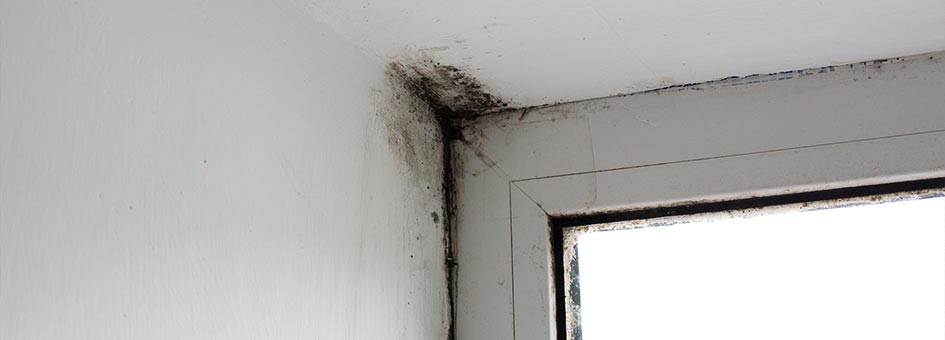
- Visible Mold – Black, green, or white growth on walls, ceilings, or floors indicates moisture issues.
- Water Stains or Discoloration – Yellow or brown spots on ceilings or walls may signal leaks that lead to mold.
- Warped or Soft Materials – Carpets, flooring, or drywall that feels spongy may be harboring mold.
- Health Symptoms – Allergies, coughing, or irritation among occupants can point to mold spores in the air.
- Condensation or Dampness – Water accumulation on windows, pipes, or walls increases the risk of mold.
Recognizing these indicators early allows property owners to schedule mold testing and prevent larger problems.
The Mold Testing Process
Professional mold testing ensures accurate identification of mold and its potential impact on the home. The process generally involves:
1. Visual Inspection
Technicians examine areas prone to moisture, including attics, crawl spaces, bathrooms, kitchens, and HVAC systems. They identify potential sources of water intrusion and visible mold growth.
2. Air Sampling
Air samples are collected to detect mold spores circulating in the property. This helps assess indoor air quality and identifies types of mold present.
3. Surface Sampling
Swabs or tape samples are taken from suspected mold surfaces to determine species and concentration. This is particularly important for hidden mold behind walls or under flooring.
4. Moisture Detection
Specialized tools, including moisture meters and thermal imaging cameras, detect hidden damp areas where mold is likely to grow.
5. Laboratory Analysis
Collected samples are analyzed in a laboratory to identify mold species, concentrations, and potential health risks.
6. Comprehensive Reporting
A detailed report outlines findings, affected areas, severity, and recommended remediation or preventive actions. This documentation is valuable for homeowners, landlords, and property managers.
Professional mold testing provides clarity on hidden issues, allowing informed decisions for remediation and ongoing maintenance.
Challenges of Mold Testing in Bayfront Homes
Bayfront properties present unique challenges for accurate mold testing:
- High Humidity Levels – Persistent moisture can make it difficult to distinguish between mold caused by environmental factors and leaks.
- Hidden Growth – Mold often develops behind walls, under floors, or in insulation, requiring specialized tools for detection.
- Multi-Level Structures – Multi-story homes and condos require thorough inspections of all levels, including attics and crawl spaces.
- HVAC Contamination – Ducts and air systems can spread spores, complicating testing and remediation.
- Salt Air Effects – Coastal salt exposure can accelerate corrosion and trap moisture, fostering mold growth.
Professional expertise ensures that these challenges are addressed effectively, preventing incomplete detection or recurring problems.
Real-World Observations from North Miami Bayfront Homes
Experience in North Miami reveals recurring mold issues:
- Crawl Spaces and Basements – Water often infiltrates these areas, remaining hidden until mold develops.
- Attics with AC Condensation – Excessive moisture from AC units contributes to hidden mold growth.
- Luxury Finishes – High-end materials can trap moisture and make visual detection more difficult.
- Tenant Awareness – In rental properties, delays in reporting musty odors or water leaks can exacerbate mold growth.
These patterns emphasize the importance of regular mold testing and proactive property management.
Why DIY Mold Testing Often Fails
Homeowners may attempt visual inspections or over-the-counter mold test kits, but these methods have limitations:
- Hidden mold behind walls, under floors, or inside HVAC systems is difficult to detect without specialized equipment.
- DIY kits often fail to identify mold species or concentrations accurately.
- Incomplete detection increases the risk of recurrence and ongoing health issues.
- Professional testing provides documentation, analysis, and remediation guidance for long-term property protection.
Relying on professional mold testing ensures accuracy and comprehensive coverage, protecting both health and property value.
Preventive Strategies for Bayfront Homes
Maintaining healthy indoor air quality and preventing mold growth requires ongoing care:
- Routine Inspections – Check plumbing, roofing, windows, and HVAC systems regularly for leaks or moisture.
- Maintain AC and Ventilation Systems – Ensure proper drainage and airflow to reduce condensation.
- Control Indoor Humidity – Use dehumidifiers and maintain indoor humidity below 60%.
- Immediate Water Damage Response – Extract water promptly and dry affected areas after leaks or storms.
- Professional Mold Testing – Schedule inspections, especially after hurricanes, storms, or known water intrusion.
- Tenant Education – In rental properties, encourage prompt reporting of dampness or odors.
These preventive measures reduce the likelihood of hidden mold, safeguard indoor air quality, and protect the property’s value.
Local Expertise Matters
Mold testing in North Miami bayfront homes requires a nuanced understanding of:
- Coastal humidity, stormwater intrusion, and environmental conditions
- Construction types, including slab foundations, attics, and luxury materials
- HVAC and duct system layouts unique to multi-level properties
- Coordinating mold testing with water damage restoration, air quality improvement, and preventive maintenance
Tip Top Water and Fire Damage Restoration brings extensive experience serving North Miami, Miami Shores, Sunny Isles Beach, Bal Harbour, Aventura, Surfside, and nearby bayfront communities. Their local knowledge ensures mold testing is thorough, accurate, and tailored to coastal properties.
Moving Forward
For homeowners, landlords, and property managers in North Miami bayfront neighborhoods, mold testing is a critical part of property maintenance:
- Schedule professional mold testing regularly or after water intrusion events.
- Address leaks, AC issues, and structural moisture promptly.
- Remove and remediate visible and hidden mold to protect indoor air quality.
- Maintain HVAC systems and control humidity to prevent future growth.
- Educate occupants on recognizing signs of mold and reporting issues immediately.
- Keep detailed records of testing, remediation, and maintenance for ongoing property management.
By combining professional testing, early intervention, and preventive maintenance, bayfront homes in North Miami remain safe, structurally sound, and comfortable for all occupants.