
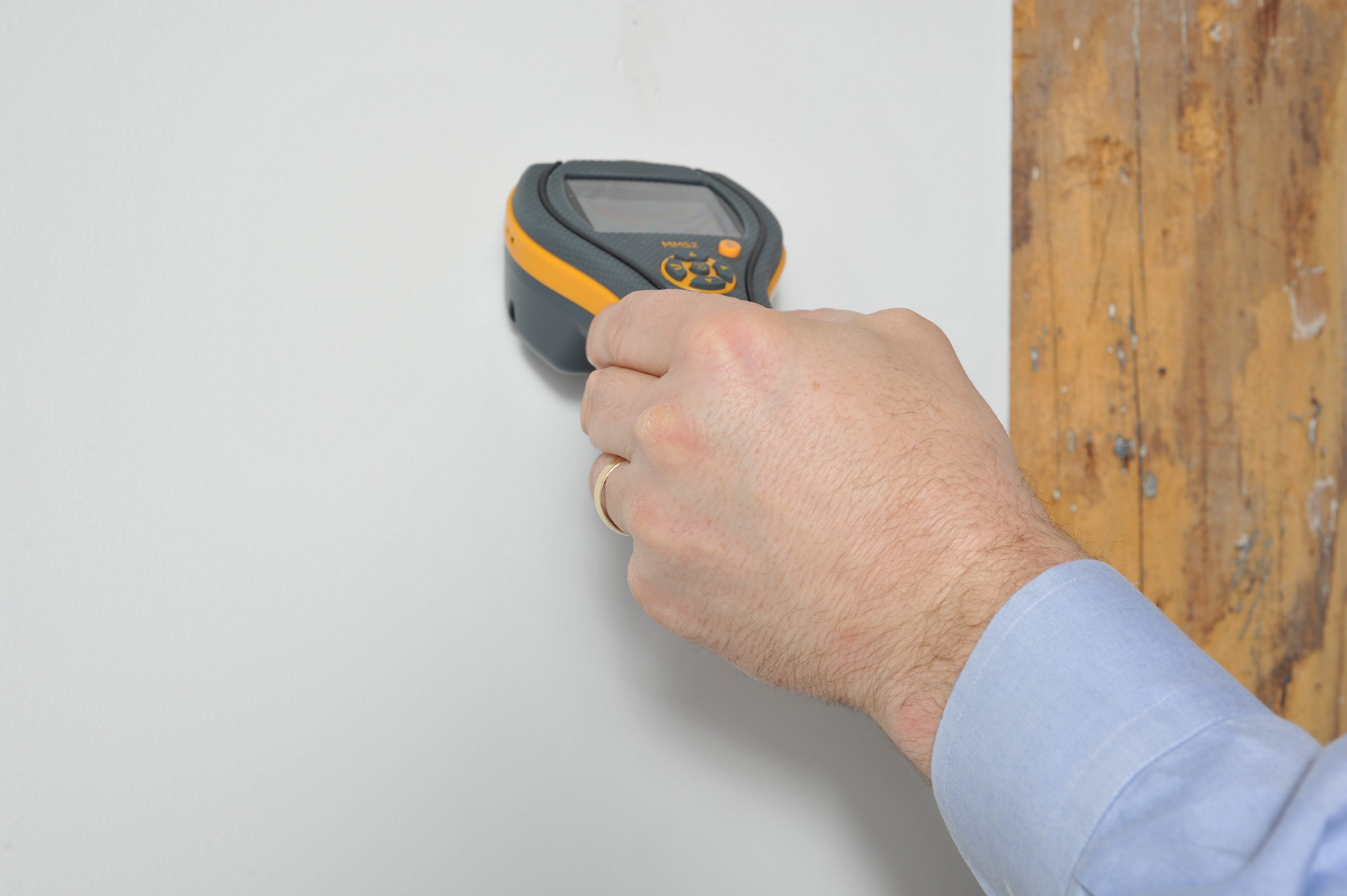
Moisture Detection in Aventura After Heavy Rain: What to Watch For
Heavy rain in Aventura doesn’t just pass through. It lingers.
Between high-rise condos, canal-front homes, elevated water tables, and storm-season downpours, moisture has a way of finding small weaknesses and turning them into expensive problems. Sometimes it shows up immediately. Other times it sits quietly behind walls, under flooring, or inside ductwork.
If you own property in Aventura — whether it’s a condo near the Intracoastal or a single-family home closer to North Miami Beach — knowing what to watch for after heavy rain can prevent mold growth and structural damage before it spreads.
What Moisture Detection Really Means
Moisture detection is not just looking for visible water.
It’s the process of identifying:
- Hidden dampness inside walls
- Saturated subfloors
- Wet insulation
- Elevated humidity levels
- Active leaks that aren’t obvious
After heavy rain, surfaces can look dry while internal building materials remain wet. In Florida’s humidity, that’s all mold needs to start forming.
In Aventura, where storms can dump inches of rain in hours, proper moisture detection is often the difference between a small repair and full mold remediation.
Why Heavy Rain Creates Unique Risks in Aventura
Aventura’s location near Biscayne Bay and the Intracoastal Waterway means constant exposure to coastal moisture. Add heavy seasonal rainfall and you get compounded risk.
Several local factors make moisture intrusion common:
- Wind-driven rain during tropical storms
- Sliding glass doors in high-rise condos
- Flat roof drainage issues
- Balcony waterproofing failures
- Aging window seals
- High indoor AC usage causing condensation
- Concrete block construction that absorbs water
Even newer buildings in Sunny Isles Beach and Bal Harbour can experience water intrusion if waterproofing systems fail.
And once water enters concrete or drywall, it doesn’t dry quickly in South Florida’s humidity.
Common Signs to Watch For After Heavy Rain
After a storm passes, walk your property carefully. Moisture often leaves subtle clues.
Watch for:
- Dark staining near ceiling corners
- Warped baseboards
- Swollen door frames
- Damp carpet edges
- Peeling paint near windows
- Musty odors in closets
- Condensation buildup on interior walls
- AC running longer than usual
In many Aventura condos, the first sign is a faint musty smell near exterior-facing walls.
That smell is often trapped moisture inside the drywall cavity.
Areas Most Vulnerable in Aventura Properties
Not all areas of a home are equally vulnerable.
Sliding Doors and Windows
High-rise buildings and waterfront condos rely heavily on sliding glass systems. Wind-driven rain can force water past seals, especially during strong storms.
Roof and Flashing
Single-family homes in Aventura and nearby Miami Shores often have tile roofs. When flashing deteriorates, rainwater can seep into attic insulation.
Balcony and Terrace Drainage
Improper drainage on balconies allows water to pool. Over time, moisture seeps into structural concrete.
Slab Foundations
Homes near canals or with elevated water tables may experience slab moisture intrusion after extended rainfall.
HVAC Closets
AC systems pull moisture from the air. If drain lines clog or condensation builds up, interior water damage can follow.
Hidden Moisture Most Owners Miss
The biggest mistake property owners make is assuming no visible water means no problem.
Moisture can hide in:
- Behind drywall
- Under laminate flooring
- Beneath carpet padding
- Inside duct insulation
- Within attic insulation
- Under bathroom tile
In one Aventura townhouse, heavy rain caused minor window leakage. The surface dried quickly. Weeks later, mold developed inside the wall cavity because the internal insulation remained wet.
Without professional moisture detection tools, that problem would have continued growing.
Why DIY Checks Often Fall Short
Touching drywall or checking visible surfaces doesn’t reveal internal saturation.
Professional moisture detection uses:
- Moisture meters
- Thermal imaging cameras
- Hygrometers to measure indoor humidity
- Infrared scanning for cold spots indicating dampness
These tools identify water where it’s not visible.
DIY inspection typically misses the early stages of water intrusion — the exact stage where intervention is easiest and least expensive.
What a Professional Moisture Inspection Includes
After heavy rain in Aventura, a proper inspection should include:
- Exterior evaluation of roof, flashing, and seals
- Interior moisture readings along exterior walls
- Ceiling and attic inspection
- HVAC system and drain line check
- Flooring and subfloor testing
- Humidity level measurement
If elevated readings are detected, targeted drying may begin immediately.
Companies like Tip Top Water and Fire Damage Restoration regularly perform moisture detection in Aventura and surrounding areas like Biscayne Park and North Miami. The goal is to stabilize the structure before mold growth begins.
When Moisture Turns Into Mold
In Florida’s climate, mold can begin forming within 24–48 hours if materials remain wet.
Heavy rain combined with high humidity accelerates this timeline.
Once mold begins:
- Drywall may require removal
- Insulation may need replacement
- Air duct cleaning may become necessary
- Containment procedures may be required
Early moisture detection prevents escalation into full mold remediation.
Water Damage Restoration After Storms
If active water intrusion is found, the next step is water removal and drying.
This process may include:
- Water extraction
- Dehumidification
- Air movers
- Structural drying
- Carpet cleaning or removal
- Minor water damage repairs
Storm-related water damage in Aventura is often localized but can spread quickly if ignored.
Flood restoration isn’t only for major flooding events. Even small intrusions need proper drying.
Air Ducts and AC Systems After Heavy Rain
Aventura properties run air conditioning year-round. After heavy rain, humidity levels spike.
If AC systems aren’t functioning properly, indoor humidity may stay elevated long after the storm.
This leads to:
- Condensation inside ductwork
- Moisture buildup in air handler closets
- Mold growth inside vents
- Reduced indoor air quality
Air duct inspection and cleaning may be necessary if moisture spreads through the system.
How to Reduce Risk After Heavy Rain
You can reduce your risk by acting quickly.
After significant rainfall:
- Inspect windows and sliding doors
- Check ceilings for staining
- Smell for musty odors
- Monitor indoor humidity levels
- Ensure AC drain lines are clear
- Remove wet materials promptly
- Schedule professional moisture detection if unsure
Properties near water — especially canal-facing homes and high-rise condos — should be especially cautious.
Why Local Knowledge Makes a Difference
Moisture detection in Arizona is not the same as moisture detection in Aventura.
Here, professionals must understand:
- Coastal air exposure
- Hurricane-force wind patterns
- Concrete construction behavior
- Balcony waterproofing systems
- High-rise building envelope vulnerabilities
- Elevated groundwater conditions
Local experience means knowing where to look first.
Tip Top Water and Fire Damage Restoration approaches moisture detection with a clear understanding of South Florida’s climate and building styles. That familiarity allows faster identification of hidden water issues before they become structural or mold-related problems.
A Calm Next Step After the Storm
Heavy rain doesn’t automatically mean major damage.
But ignoring moisture can turn a small issue into a large one.
If your Aventura property experienced significant rainfall and something feels off — a smell, a stain, a subtle change — it’s worth checking.
Moisture detection is about clarity and prevention, not alarm.
Inspect early. Dry thoroughly. Address leaks quickly.
That’s how property owners in Aventura, North Miami Beach, Sunny Isles Beach, and surrounding coastal communities stay ahead of mold and water damage — even after the heaviest storms.