
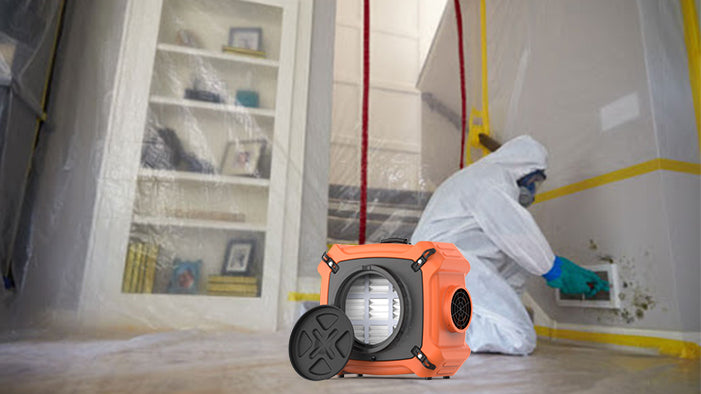
What Homeowners Often Overlook: Mold Remediation Challenges in Sunny Isles Beach
Sunny Isles Beach is known for luxury high-rises, waterfront views, and constant ocean breeze. What doesn’t get talked about as much is what that ocean air brings with it — moisture.
In coastal communities like Sunny Isles Beach, mold problems are rarely dramatic at first. They’re subtle. A faint odor. A small stain. Slightly elevated humidity. By the time it becomes visible, the conditions that allowed it to grow have often been present for months.
For homeowners in Sunny Isles Beach, North Miami Beach, Aventura, and nearby bayfront communities, mold remediation comes with unique challenges that are easy to overlook.
Understanding those challenges makes all the difference.
The Mold Problem Isn’t Always Where You See It
One of the biggest misconceptions homeowners have is that mold exists only where it’s visible.
In reality, visible mold is often just the surface indicator.
In Sunny Isles Beach condos and waterfront homes, mold commonly grows:
- Behind drywall
- Inside air handler closets
- Within duct insulation
- Under laminate or engineered flooring
- Behind kitchen or bathroom cabinetry
- Inside ceiling cavities
Ocean-facing walls are especially vulnerable due to constant humidity exposure and wind-driven rain.
When remediation focuses only on what’s visible, the real problem often remains untouched.
Why Sunny Isles Beach Is Especially Vulnerable
Coastal weather changes everything.
Sunny Isles Beach properties deal with:
- Year-round high humidity
- Salt-heavy ocean air
- Wind-driven rain
- Hurricane season moisture
- Balcony and sliding door intrusion
- Elevated groundwater
- Constant AC usage
High-rise buildings add another layer of complexity. Condensation inside walls, shared plumbing stacks, and sealed building envelopes can trap moisture in ways single-family homes do not.
Even newer luxury buildings aren’t immune. Waterproofing systems fail. Drain lines clog. Window seals deteriorate.
And when moisture remains, mold follows.
The High-Rise Condo Factor
Many homeowners in Sunny Isles Beach live in high-rise condos. Mold remediation in these environments presents unique challenges.
Common issues include:
- Limited ventilation inside units
- Shared HVAC systems
- Moisture transfer between units
- Balcony drainage overflow
- Concrete slab moisture retention
Concrete structures absorb and hold water longer than most people expect. After heavy rain, concrete can remain damp internally while appearing dry on the surface.
Without proper moisture detection, remediation efforts can miss hidden saturation.
AC Systems: The Overlooked Moisture Source
Air conditioning runs nearly year-round in Sunny Isles Beach.
That constant operation creates:
- Condensation inside ducts
- Drain pan overflow risks
- Clogged condensate lines
- Moisture buildup in air handler closets
Many mold cases in North Miami Beach and Sunny Isles Beach begin inside HVAC systems.
Homeowners often treat surface mold but fail to address duct contamination or air handler moisture.
Without addressing the system itself, mold often returns.
Balcony and Sliding Door Intrusion
Water intrusion through sliding glass doors is one of the most common overlooked causes of mold in oceanfront condos.
Wind-driven rain during storms forces moisture past seals.
Even minor intrusion can:
- Soak carpet padding
- Saturate baseboards
- Travel into drywall
- Spread beneath flooring
Because the water often dries visibly within hours, homeowners assume the issue resolved itself.
What remains hidden inside walls may still be wet.
Why DIY Mold Removal Falls Short
Sunny Isles Beach humidity makes DIY remediation especially ineffective.
Surface cleaning products:
- Do not remove moisture
- Do not contain airborne spores
- Do not address hidden contamination
- Do not fix intrusion sources
Without containment, cleaning can actually spread spores through a condo’s HVAC system.
In coastal environments, incomplete remediation almost always leads to recurrence.
Hidden Structural Challenges
Mold remediation in coastal South Florida isn’t just about cleaning.
It may involve:
- Removing saturated drywall
- Replacing insulation
- Treating wood framing
- Addressing slab moisture
- Sealing intrusion points
- Correcting ventilation issues
Older homes in nearby Biscayne Park and Miami Shores often have outdated ventilation systems. Newer high-rises may have sealed designs that trap humidity inside.
Both create challenges — just in different ways.
Moisture Detection Is Critical
Before remediation begins, moisture detection must define the scope.
Professional inspections typically include:
- Thermal imaging
- Moisture meter readings
- Attic and ceiling inspections
- HVAC system evaluation
- Window and sliding door seal checks
- Roof and flashing inspection
In Sunny Isles Beach properties, exterior-facing walls deserve special attention due to constant exposure to ocean moisture.
Without mapping moisture correctly, remediation can miss key areas.
Flooding and Storm-Related Mold
Sunny Isles Beach faces hurricane threats and seasonal storms.
After heavy rain or storm surge, water intrusion may affect:
- Ground-level parking areas
- First-floor condos
- Storage rooms
- Mechanical rooms
- Interior flooring
Flood restoration and water removal must happen quickly to prevent mold growth.
In coastal communities, mold can begin forming in less than 48 hours due to humidity levels.
Prompt drying is not optional — it’s essential.
Salt Air and Material Breakdown
Salt exposure accelerates material deterioration.
In mold remediation projects near the ocean, professionals often find:
- Corroded metal fasteners
- Degraded drywall
- Deteriorated insulation
- Compromised framing
Salt-heavy moisture makes some materials less salvageable than homeowners expect.
In some cases, replacement is more practical than restoration.
Why Containment Matters More in High-Rises
In a single-family home, containment protects the rest of the house.
In a high-rise condo, containment protects:
- Adjacent units
- Shared HVAC systems
- Hallway air circulation
- Building-wide air quality
Improper remediation can affect neighboring units.
Professional containment and air filtration are not just best practices — they’re essential in multi-unit buildings.
Prevention in Sunny Isles Beach Homes
Homeowners can reduce mold risks by:
- Inspecting sliding door seals before storm season
- Cleaning balcony drains regularly
- Maintaining AC systems
- Monitoring indoor humidity
- Addressing leaks immediately
- Scheduling periodic moisture inspections
Properties directly facing the ocean require more vigilance than inland homes.
Humidity never truly leaves in coastal South Florida.
Why Local Experience Makes the Difference
Mold remediation in Sunny Isles Beach is not the same as mold remediation inland.
Local professionals understand:
- Coastal air moisture behavior
- Hurricane wind patterns
- High-rise building envelope systems
- Balcony waterproofing structures
- Concrete slab drying timelines
- Elevated water table effects
Companies like Tip Top Water and Fire Damage Restoration work regularly in Sunny Isles Beach, North Miami Beach, and Aventura. That local experience helps identify hidden risks quickly and approach remediation in a way that addresses root causes — not just symptoms.
A Calm, Smart Approach
If you notice a musty odor, discoloration, or unexplained humidity in your Sunny Isles Beach property, don’t ignore it — but don’t panic either.
Start with proper inspection. Confirm moisture sources. Define the scope clearly.
Mold remediation is a controlled process when handled correctly.
In coastal communities, prevention and early detection are the most effective tools.
Stay attentive after storms. Maintain your AC system. Inspect vulnerable areas regularly.
That’s how homeowners in Sunny Isles Beach protect their property from one of coastal Florida’s most persistent challenges.