Understanding Mold Inspection in Coastal Neighborhoods Near Biscayne Bay in Waterfront Properties
Waterfront properties along Biscayne Bay offer homeowners stunning views, access to coastal amenities, and a serene living environment. However, these coastal neighborhoods also face unique challenges that affect property maintenance, particularly when it comes to mold. High humidity, occasional flooding, salt-laden air, and proximity to water create conditions where mold can thrive if not properly monitored.
For homeowners, landlords, and property managers in these waterfront communities, understanding the process of mold inspection is crucial. Regular inspections help prevent structural damage, maintain indoor air quality, and protect both property value and occupant health. This guide provides a comprehensive overview of why mold inspections are necessary, how they are conducted, common warning signs, and long-term preventive strategies tailored to coastal Biscayne Bay properties.
Why Mold Inspections Are Essential in Waterfront Properties
Mold inspections are a proactive approach to maintaining safe and healthy homes. Waterfront properties are particularly susceptible due to environmental conditions that promote mold growth:
- High Humidity – Coastal areas maintain elevated humidity year-round, which increases condensation and moisture accumulation.
- Flooding and Water Intrusion – Heavy rain, storm surges, and tidal flooding can introduce water into basements, crawl spaces, and ground floors.
- AC Condensation – High humidity requires extensive air conditioning use, and improperly drained units can cause hidden moisture buildup.
- Salt-Laden Coastal Air – Salt particles accelerate corrosion on building materials, which can exacerbate water penetration and mold growth.
- Older Construction Materials – Many waterfront homes are older and may have porous materials that retain moisture more readily.
Regular mold inspections help homeowners detect hidden growth before it becomes a significant problem, preserving both indoor air quality and structural integrity.
Common Causes of Mold in Coastal Waterfront Homes
Several factors contribute to mold development in Biscayne Bay waterfront properties:
1. Humidity and Moisture
Even without visible water intrusion, elevated humidity alone can cause condensation on walls, ceilings, and windows. Persistent dampness encourages mold spores to settle and grow.
2. Storm-Related Flooding
Heavy rains, hurricanes, and tidal surges can bring water into basements, crawl spaces, or ground-level rooms, creating hidden damp areas that promote mold growth.
3. Plumbing Leaks and AC Issues
Leaking pipes, faulty appliances, or overflowing AC drip pans introduce moisture into walls, floors, and ceilings. Without timely detection, this water can seep into insulation and subfloors, creating a breeding ground for mold.
4. Poor Ventilation
Bathrooms, kitchens, attics, and enclosed spaces lacking proper ventilation trap moisture, creating ideal conditions for mold spores to grow.
5. Construction and Material Vulnerabilities
Older homes or those built with wood framing, porous drywall, or natural insulation may absorb moisture more readily than newer, modern construction, increasing mold risk.
Signs That a Mold Inspection Is Necessary
Waterfront homeowners and property managers should be aware of indicators that a professional mold inspection may be needed:
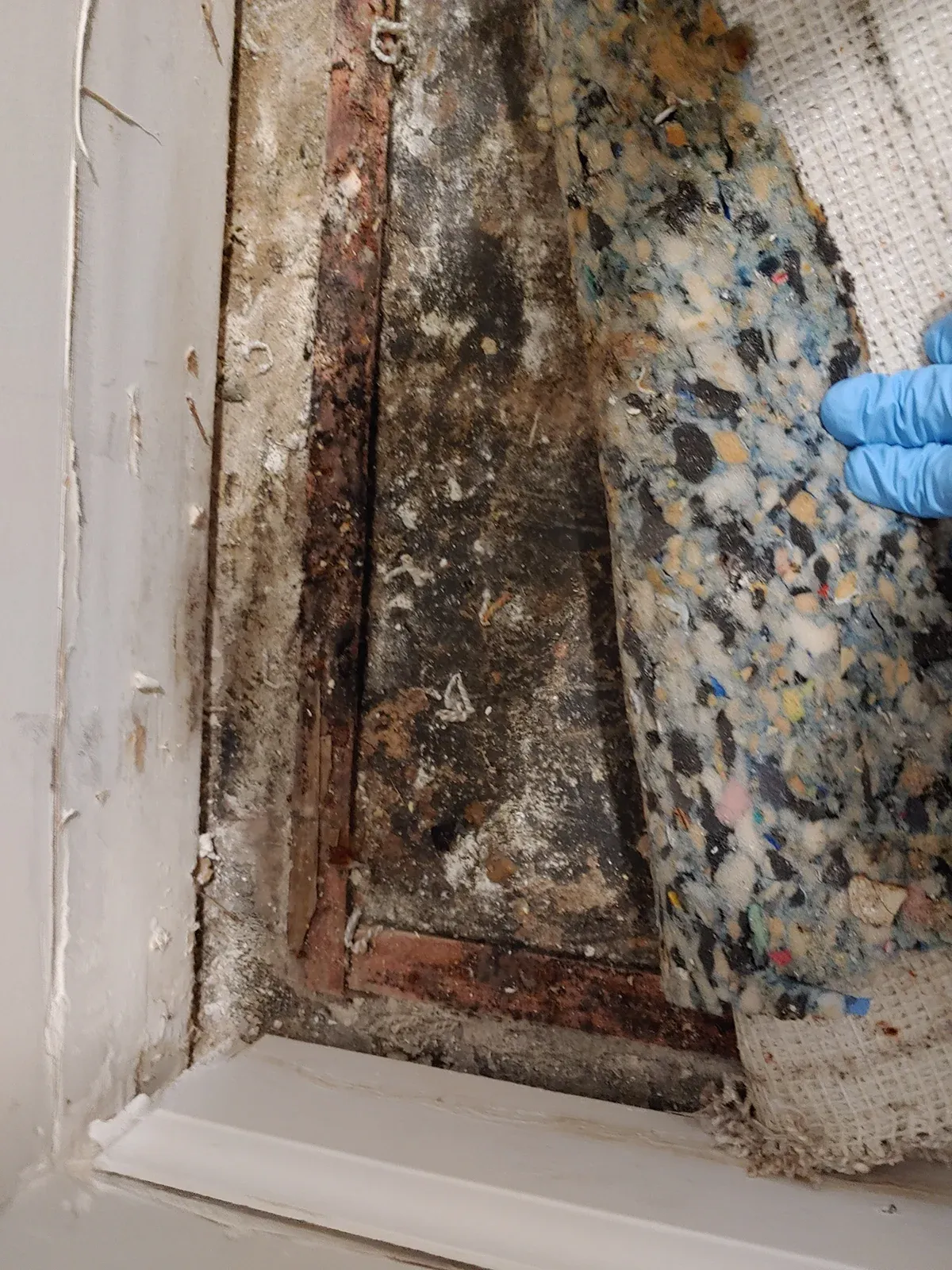
- Visible Mold Growth – Black, green, or white spots on walls, ceilings, or floors.
- Musty Odors – Persistent damp or earthy smells in rooms or storage areas suggest hidden mold.
- Water Stains or Discoloration – Yellow, brown, or dark marks on walls or ceilings indicate water intrusion.
- Warped or Soft Flooring – Carpets, hardwood, or laminate floors that feel soft or spongy may contain moisture underneath.
- Condensation Issues – Repeated moisture buildup on windows, pipes, or AC units signals potential mold risk.
- Health Concerns – Allergic reactions, respiratory irritation, or other symptoms among occupants may indicate airborne mold spores.
Recognizing these signs early allows homeowners to schedule professional inspections before structural damage or widespread mold growth occurs.
The Mold Inspection Process in Coastal Homes
Professional mold inspections follow a systematic approach tailored to the unique conditions of waterfront properties:
1. Visual Assessment
Technicians begin by inspecting the home, focusing on moisture-prone areas such as bathrooms, kitchens, attics, crawl spaces, and HVAC systems. Visible mold, water stains, and damaged surfaces are noted.
2. Moisture Detection
Using tools like moisture meters and thermal imaging cameras, inspectors detect hidden damp areas behind walls, under floors, or inside insulation that could harbor mold growth.
3. Air Sampling
Air samples are collected from multiple locations to identify airborne mold spores. This step helps assess indoor air quality and locate areas of hidden mold.
4. Surface Sampling
Swabs or tape samples are taken from visible mold or suspect surfaces. Laboratory analysis identifies mold species and concentration, informing proper remediation strategies.
5. Laboratory Analysis
Samples are sent to a lab to provide precise data on mold types and levels. This ensures accurate assessment and informs the scope of remediation.
6. Comprehensive Reporting
A detailed report outlines affected areas, mold types, moisture sources, and recommendations for remediation and preventive measures. Documentation is vital for homeowners, landlords, and property managers to plan repairs and ongoing maintenance.
Challenges of Mold Inspection in Coastal Waterfront Homes
Mold inspections in Biscayne Bay waterfront properties present unique challenges:
- Hidden Growth – Mold often develops behind walls, under floors, or within insulation, requiring specialized detection methods.
- High Humidity – Persistent moisture makes it difficult to distinguish between surface dampness and mold growth.
- Complex Multi-Level Homes – Luxury waterfront properties often have multiple levels, attics, and complex HVAC systems, complicating inspection.
- Salt-Air Corrosion – Salt-laden air interacts with building materials, creating microenvironments where moisture accumulates more easily.
- Tenant Awareness in Rental Properties – Delayed reporting of dampness or odors can allow mold to proliferate before detection.
Professional inspectors use specialized tools and experience to overcome these challenges and ensure comprehensive assessments.
Why DIY Mold Inspection Often Falls Short
Many property owners attempt to identify mold themselves using visual checks or over-the-counter kits, but DIY methods have limitations:
- Hidden mold behind walls, flooring, or HVAC systems can go undetected.
- DIY kits may not accurately identify mold species or concentrations.
- Failure to identify the full extent of mold growth can lead to recurring problems, including poor air quality and structural damage.
- Professional inspections provide a comprehensive view and inform proper remediation strategies.
Engaging trained professionals ensures accuracy and prevents long-term complications.
Long-Term Benefits of Regular Mold Inspections
Consistent mold inspections in coastal waterfront homes provide several advantages:
- Early Detection – Identifying mold before it spreads reduces remediation costs and minimizes damage.
- Improved Indoor Air Quality – Addressing mold proactively ensures healthier living spaces for occupants.
- Structural Protection – Timely inspections prevent damage to walls, flooring, and insulation.
- Tenant and Occupant Safety – Regular inspections in rental properties maintain safe, habitable conditions.
- Property Value Preservation – Homes free from hidden mold maintain higher market value and appeal.
Preventive Strategies for Waterfront Properties
Homeowners and property managers can take several measures to reduce mold risk in coastal homes:
- Routine Inspections – Schedule regular professional mold inspections, especially after storms, flooding, or AC issues.
- Maintain Proper Ventilation – Ensure bathrooms, kitchens, attics, and crawl spaces are ventilated to reduce moisture accumulation.
- Monitor Humidity Levels – Use dehumidifiers and maintain indoor humidity below 60%.
- Address Water Intrusion Promptly – Repair leaks, flooding, or AC condensation immediately.
- Educate Tenants – Encourage reporting of odors, water stains, or visible moisture.
- Inspect HVAC Systems – Clean and maintain air conditioning units and ductwork to prevent hidden moisture buildup.
Preventive strategies complement professional inspections and reduce long-term maintenance challenges.
Local Expertise Matters
Mold inspection in coastal neighborhoods near Biscayne Bay requires specialized knowledge:
- Understanding high humidity, coastal flooding patterns, and salt-air effects on building materials.
- Expertise in multi-level, waterfront, and luxury home construction.
- Experience with HVAC systems, attics, crawl spaces, and hidden moisture detection.
- Coordination with mold remediation and preventive maintenance strategies.
Tip Top Water and Fire Damage Restoration brings extensive local experience serving waterfront communities along Biscayne Bay, including North Miami, Miami Shores, Sunny Isles Beach, Bal Harbour, Aventura, Surfside, and Biscayne Park. Their expertise ensures accurate, thorough, and effective mold inspections tailored to coastal properties.
Moving Forward
For homeowners, landlords, and property managers in Biscayne Bay waterfront neighborhoods:
- Schedule regular professional mold inspections, especially after water intrusion events or high-humidity periods.
- Maintain HVAC systems and monitor indoor humidity to prevent hidden mold growth.
- Address leaks, condensation, or water damage promptly.
- Educate occupants on early signs of mold, including odors or discoloration.
- Document inspection results and remediation actions for long-term property management.
By combining professional inspections with proactive maintenance, waterfront properties along Biscayne Bay remain safe, structurally sound, and healthy for occupants while preserving property value.