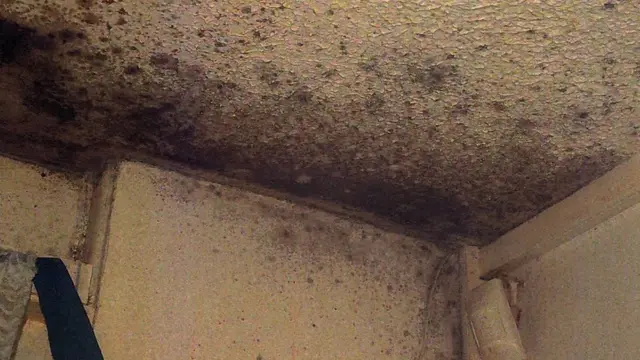
Black Mold Removal in Coastal Neighborhoods Near Biscayne Bay When Humidity Stays High for Weeks: What to Watch For
In coastal neighborhoods near Biscayne Bay, prolonged humidity is a normal part of life, especially during late spring and summer. When humidity stays high for weeks at a time, moisture can accumulate inside homes even without a visible leak. Under these conditions, black mold can develop quickly, often in hidden areas that are difficult to detect until damage becomes noticeable.
Understanding what to watch for and how mold removal works helps homeowners and property managers act early, reduce structural damage, and prevent mold from spreading.
Why High Humidity Creates Ideal Conditions for Mold
Black mold thrives in environments where moisture remains present for extended periods. In coastal areas, indoor humidity can remain elevated even when air-conditioning systems are running continuously.
When warm, humid air comes into contact with cooler surfaces such as walls, ceilings, and air ducts, condensation forms. Over time, this moisture can soak into drywall, insulation, and wood framing.
If materials remain damp for more than a short period, mold spores can begin to grow and spread. In many homes near Biscayne Bay, mold problems develop gradually rather than after a single water event.
Common Signs That Mold May Be Developing
One of the earliest signs of mold growth is a musty or earthy odor. This smell is often strongest in enclosed spaces such as closets, storage rooms, or areas with limited airflow.
Discoloration on walls or ceilings is another warning sign. Small dark spots may appear near baseboards, vents, or corners where moisture tends to collect.
Homeowners sometimes notice peeling paint, bubbling drywall, or warped trim. These signs often indicate moisture trapped behind surfaces, which can lead to mold growth.
In some cases, indoor humidity levels feel unusually high, or condensation appears frequently on windows and vents. These conditions often accompany mold problems.
Hidden Areas Where Mold Often Develops
One of the biggest challenges in black mold removal is locating all affected areas. Mold often grows in places that are not visible during a casual inspection.
Behind drywall and inside ceiling cavities are common locations where moisture accumulates. Insulation can retain water for long periods, allowing mold to grow undetected.
Air-conditioning systems are another frequent source of hidden mold. Condensation inside ducts or clogged drain lines can create damp conditions that allow mold to develop and spread through ventilation systems.
Exterior walls exposed to wind-driven rain and salt air may also absorb moisture, especially in homes located close to the water.
Without proper inspection, these hidden areas may continue to harbor mold even after visible spots are cleaned.
Why Mold Problems Are More Severe After Weeks of Humidity
When humidity remains high for an extended time, materials dry much more slowly. This means moisture remains available for mold growth longer than it would in drier climates.
Prolonged humidity also increases condensation inside walls, attics, and duct systems. Even small amounts of trapped moisture can support mold growth when conditions persist for weeks.
In nearby communities such as North Miami, Miami Shores, and Surfside, prolonged humid periods often lead to mold appearing in areas that previously had no visible moisture problems.
Why DIY Mold Removal Often Fails
Many homeowners attempt to remove mold using household cleaners or bleach. While this may remove surface staining temporarily, it rarely eliminates mold embedded in porous materials such as drywall or wood.
Mold roots can penetrate deep into materials, and cleaning the surface does not remove contamination beneath. If moisture remains, mold often returns within a short time.
Another challenge is identifying the moisture source. Without addressing humidity or hidden leaks, cleaning alone does not solve the underlying problem.
Professional mold removal focuses on both eliminating contamination and correcting moisture conditions to prevent recurrence.
Professional Mold Inspection and Detection
A proper mold removal process begins with inspection. Technicians evaluate visible mold growth and use moisture meters to detect hidden damp areas inside walls, floors, and ceilings.
Thermal imaging may be used to locate moisture behind surfaces without damaging materials. Indoor humidity levels are also measured to determine whether environmental conditions are contributing to mold growth.
HVAC systems and air ducts are inspected because they can distribute mold spores throughout a home if moisture is present.
Companies such as Tip Top Water and Fire Damage Restoration often discover mold in areas homeowners did not initially suspect, especially in coastal homes where humidity remains high.
The Mold Removal and Remediation Process
Once the extent of contamination is identified, remediation begins with containment. Barriers and filtration equipment are used to prevent mold spores from spreading during cleanup.
Affected materials may be cleaned or removed depending on the severity of contamination. Porous materials that cannot be fully restored are often replaced.
Drying is a critical step in mold remediation. Air movers and dehumidifiers are used to remove moisture from both building materials and indoor air.
After drying is complete, repairs are performed to restore walls, ceilings, or flooring as needed.
Thorough drying and humidity control are essential to preventing mold from returning.
The Role of Air Conditioning and Ventilation
Air-conditioning systems play a major role in managing humidity inside homes. When systems are not maintained properly, humidity levels may rise and condensation may accumulate inside ducts or air handlers.
Dirty filters, clogged drain lines, or leaking ducts can all contribute to moisture problems. Regular maintenance helps ensure that HVAC systems remove humidity effectively.
Proper ventilation in bathrooms, kitchens, and laundry rooms also helps reduce moisture buildup.
In many coastal homes near Biscayne Bay, improving ventilation and humidity control has significantly reduced recurring mold issues.
Practical Steps to Reduce Mold Risk During Humid Periods
Homeowners can take several steps to reduce the risk of mold during extended periods of humidity.
Using dehumidifiers helps maintain safe indoor moisture levels. Monitoring humidity with a hygrometer can provide early warning when levels rise too high.
Inspecting ceilings, walls, and flooring after storms or heavy rain allows moisture problems to be identified early.
Keeping air-conditioning systems maintained and drain lines clear helps prevent condensation leaks.
Ensuring proper airflow and ventilation throughout the home also reduces moisture accumulation.
Why Local Experience Matters
Mold removal in coastal communities requires an understanding of how humidity, salt air, and building construction affect moisture behavior. Professionals familiar with Biscayne Bay neighborhoods know where hidden mold is most likely to occur and how to manage drying effectively in humid conditions.
Tip Top Water and Fire Damage Restoration has handled many mold remediation projects in coastal properties where prolonged humidity was the primary cause of mold growth.
Local experience helps ensure remediation is thorough and designed to prevent recurrence.
A Calm, Practical Next Step
Black mold problems can feel overwhelming, but they are manageable when addressed early. Recognizing warning signs, controlling humidity, and scheduling inspections when needed can prevent small issues from becoming major repairs.
With prompt action and proper remediation, homeowners in coastal neighborhoods near Biscayne Bay can restore their properties and maintain healthy indoor environments even during extended periods of high humidity.