
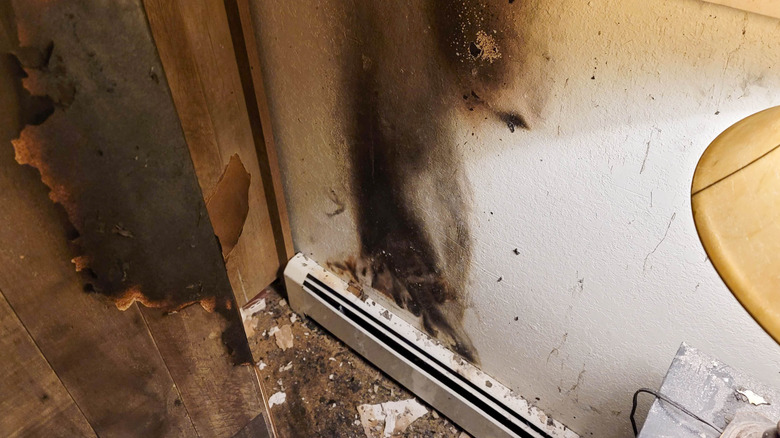
Smoke Damage Cleanup in Sunny Isles Beach: A Practical Home Maintenance Guide
Smoke damage doesn’t always come from a major fire.
In Sunny Isles Beach, it’s often the result of a small kitchen flare-up, an electrical issue, a balcony grill accident, or smoke drifting from a neighboring condo unit. Even minor incidents can leave behind persistent odors, staining, and hidden residue.
Because this is a coastal, high-humidity environment, smoke cleanup in Sunny Isles Beach comes with challenges that many homeowners don’t anticipate.
If you own property here — whether it’s a high-rise condo or a single-family home near North Miami Beach — understanding how smoke behaves in coastal conditions is essential for proper restoration.
What Smoke Damage Really Is
Smoke damage isn’t just black staining on walls.
It includes:
- Soot particles embedded in drywall
- Odor trapped in insulation
- Residue inside air ducts
- Film on windows and surfaces
- Contaminants inside HVAC systems
- Discoloration of ceilings and trim
Smoke particles are microscopic. They travel through ventilation systems, settle in porous materials, and cling to surfaces far beyond the original source.
In sealed high-rise units common in Sunny Isles Beach, smoke can circulate and linger longer than expected.
Why Coastal Conditions Complicate Smoke Cleanup
Sunny Isles Beach presents unique environmental factors:
- High year-round humidity
- Salt-heavy ocean air
- Constant AC operation
- Sealed building envelopes
- Shared ventilation systems in condos
Humidity allows smoke residue to bond more tightly to surfaces. Moist air can reactivate lingering odors even after visible soot has been cleaned.
Salt in the air may also accelerate corrosion when combined with acidic soot residue.
In short, smoke behaves differently here than it would inland.
Smoke in High-Rise Condominiums
Many properties in Sunny Isles Beach are high-rise condos. Smoke damage in these buildings spreads in ways homeowners often overlook.
Smoke can travel through:
- Shared HVAC systems
- Plumbing penetrations
- Hallway ventilation
- Electrical conduits
- Ceiling cavities
Even if the fire originated in another unit, your condo may still experience smoke intrusion.
Proper cleanup requires more than wiping visible soot. It may involve duct cleaning and air filtration to remove airborne contaminants.
Common Areas Smoke Affects
Homeowners often focus on visible surfaces. But smoke travels everywhere air does.
Areas frequently impacted include:
- Ceiling corners
- Inside closets
- HVAC vents
- Cabinet interiors
- Carpet fibers
- Upholstered furniture
- Attic spaces
- Air handler closets
In single-family homes near Biscayne Park or Miami Shores, smoke can rise into attic insulation and linger there long after the fire is extinguished.
Without addressing those areas, odor often returns.
Why DIY Smoke Cleanup Often Fails
Surface cleaning products can remove visible soot but rarely eliminate odor.
DIY efforts typically miss:
- Residue inside ductwork
- Smoke absorbed into drywall
- Contaminated insulation
- Subtle staining on ceilings
- Microscopic soot embedded in porous materials
In coastal humidity, incomplete cleaning allows odors to reappear when moisture levels rise.
Proper smoke damage cleanup requires targeted cleaning methods and air purification.
The Role of Air Filtration and Odor Removal
After smoke exposure, indoor air quality becomes a concern.
Professional smoke cleanup may include:
- HEPA air scrubbers
- Activated carbon filtration
- Ozone or hydroxyl treatments
- HVAC system cleaning
- Duct inspection and cleaning
In humid coastal properties, odor removal must address both airborne particles and absorbed residue.
Otherwise, the smell may resurface during humid summer months.
Smoke and Moisture: A Hidden Combination
Sunny Isles Beach homes often experience elevated humidity even without rain.
When smoke residue combines with moisture:
- Odors intensify
- Residue spreads
- Surfaces discolor
- Corrosion accelerates
AC systems that are not functioning optimally may worsen this issue by circulating contaminated air.
Moisture control is just as important as soot removal in coastal smoke damage restoration.
Structural Cleaning After Smoke Damage
Proper smoke cleanup typically includes:
- Cleaning ceilings and walls
- Wiping structural framing
- Decontaminating cabinets and trim
- Treating affected insulation
- Inspecting attic and duct systems
- Removing heavily damaged materials
In some cases, drywall replacement may be necessary if odor penetrates deeply.
Early assessment limits the scope of restoration.
Electrical and HVAC Considerations
Smoke residue is acidic and can affect electrical components.
In Sunny Isles Beach properties, it’s important to inspect:
- Electrical panels
- Outlet covers
- Light fixtures
- AC systems
- Air handler closets
Soot inside HVAC systems can recirculate contamination throughout the property.
Duct cleaning often plays a critical role in full recovery.
Smoke Damage in Waterfront Homes
Single-family homes along canals or near Biscayne Bay face additional challenges.
Ocean air exposure combined with smoke residue can lead to:
- Faster material breakdown
- Persistent odor retention
- Increased corrosion of fixtures
- Surface staining that deepens over time
Prompt cleanup is especially important in coastal homes where humidity accelerates deterioration.
The Importance of Moisture Detection After Fire Incidents
If water was used to extinguish a fire, moisture detection becomes essential.
Even small fires may involve:
- Water-soaked drywall
- Damp insulation
- Wet subflooring
- Carpet saturation
Without proper drying, mold growth can follow smoke damage.
Fire restoration and moisture control often go hand in hand in South Florida.
Preventing Long-Term Issues
After smoke damage in Sunny Isles Beach, property owners should:
- Schedule thorough inspection
- Clean HVAC systems
- Monitor indoor humidity
- Address water exposure immediately
- Replace heavily saturated materials
- Inspect hidden areas like attics and closets
Taking a comprehensive approach prevents lingering odor and structural deterioration.
Why Local Experience Matters
Smoke cleanup in Sunny Isles Beach requires understanding:
- Coastal humidity behavior
- High-rise building ventilation systems
- Salt air effects on materials
- AC system demands
- Construction styles common in North Miami Beach and Aventura
Restoration professionals familiar with these conditions know where smoke tends to hide and how coastal moisture affects recovery.
Tip Top Water and Fire Damage Restoration approaches smoke damage cleanup with a clear understanding of South Florida’s climate and building systems. That local knowledge ensures restoration efforts address both visible damage and hidden environmental factors.
A Practical, Calm Approach
If your Sunny Isles Beach property experiences smoke exposure, avoid quick surface fixes.
Start with inspection. Identify the extent of residue. Evaluate HVAC systems. Address moisture if water was involved.
Smoke damage cleanup is about thoroughness — not speed alone.
With proper assessment and structured restoration, homes and condos in Sunny Isles Beach, North Miami Beach, and surrounding coastal communities can return to clean, stable condition.
Act early. Clean completely. And treat smoke damage as both an air quality and structural maintenance issue.
That practical approach protects your property and prevents recurring problems in South Florida’s demanding coastal climate.