What Really Causes the Need for AC Moisture Repair in Biscayne Park
Air-conditioning systems are essential in Biscayne Park, where warm temperatures and high humidity are present for much of the year. While most homeowners think of AC systems mainly as cooling equipment, they also play a critical role in controlling indoor moisture. When these systems begin to malfunction or experience drainage and condensation issues, moisture problems can develop quickly and may lead to structural damage or mold growth.
Understanding what really causes the need for AC moisture repair helps property owners recognize early warning signs and prevent long-term damage.
How AC Systems Create Moisture
Every air-conditioning system removes humidity from the air as part of the cooling process. Warm air passes over cold evaporator coils, causing moisture to condense into water. Under normal conditions, this water drains safely through a condensate line.
Problems begin when the drainage system fails, airflow is restricted, or humidity levels exceed the system’s capacity. When condensation cannot drain properly, water may overflow into surrounding areas, including ceilings, walls, and mechanical closets.
Unlike sudden plumbing leaks, AC moisture issues often develop gradually, making them harder to detect in the early stages.
Why AC Moisture Problems Are Common in Biscayne Park
Several local conditions increase the likelihood of moisture-related AC problems.
High humidity is one of the biggest contributors. Warm coastal air contains large amounts of moisture, forcing air-conditioning systems to work harder and produce more condensation. During long humid periods, drain systems may struggle to keep up.
Frequent rainstorms also increase indoor humidity levels, particularly in homes with limited ventilation.
Many homes in Biscayne Park also have older HVAC systems or ductwork that may not be properly insulated, which can lead to condensation forming on duct surfaces.
Salt in coastal air may also accelerate corrosion in metal components, including drain pans and fittings, increasing the risk of leaks over time.
The Most Common Causes of AC Moisture Problems
There are several issues that frequently lead to the need for AC moisture repair.
Clogged condensate drain lines are one of the most common causes. Dust, algae, and debris can block the line, causing water to back up into the system.
Dirty air filters can also contribute to moisture problems. Restricted airflow may cause evaporator coils to freeze. When the ice melts, excess water may overflow into surrounding materials.
Improperly insulated ducts can create condensation when cold air travels through warm spaces such as attics or ceiling cavities. This moisture may drip onto insulation or drywall.
Cracked or corroded drain pans are another frequent problem, especially in older systems. These pans are designed to collect condensation, and damage to them can allow water to leak slowly over time.
In some cases, poor system installation or improper slope in drain lines prevents water from draining efficiently.
Early Signs Homeowners Should Watch For
AC moisture problems often begin with subtle warning signs.
A musty smell near vents or mechanical closets is one of the earliest indicators. This odor may be stronger when the system is running.
Water staining on ceilings or walls near vents is another common sign. Paint may bubble or peel as moisture accumulates behind surfaces.
Some homeowners notice higher indoor humidity levels even when the air conditioner is running. Windows may develop condensation, or rooms may feel damp.
Puddles or damp spots near indoor air-handling units are also clear signs that condensation is not draining properly.
Recognizing these signs early can help prevent more serious damage.
Hidden Areas Where Moisture Can Spread
One of the challenges of AC moisture problems is that water often spreads to areas that are not immediately visible.
Ceiling cavities are a common location where condensation accumulates, especially in homes with ductwork running above living spaces.
Insulation inside walls or attics may absorb moisture and remain damp for long periods. Subfloors and baseboards near mechanical closets can also be affected.
Air ducts themselves may trap moisture, particularly if insulation is damaged or airflow is restricted.
Without proper inspection, these hidden areas may continue to deteriorate even after visible water is cleaned.
Why DIY Fixes Often Don’t Solve the Problem
Many homeowners attempt to address AC moisture problems by clearing a drain line or cleaning visible water. While these steps may provide temporary relief, they often do not address the underlying cause.
Humidity levels, airflow issues, or hidden condensation inside ducts may continue to create moisture problems. Without measuring moisture levels or inspecting the entire system, it is difficult to confirm that the issue has been fully resolved.
Professional inspection focuses on identifying both the source of moisture and the conditions that allowed it to develop.
Professional Moisture Detection and Inspection
A thorough AC moisture inspection usually begins with evaluating the air handler, drain lines, evaporator coils, and duct connections.
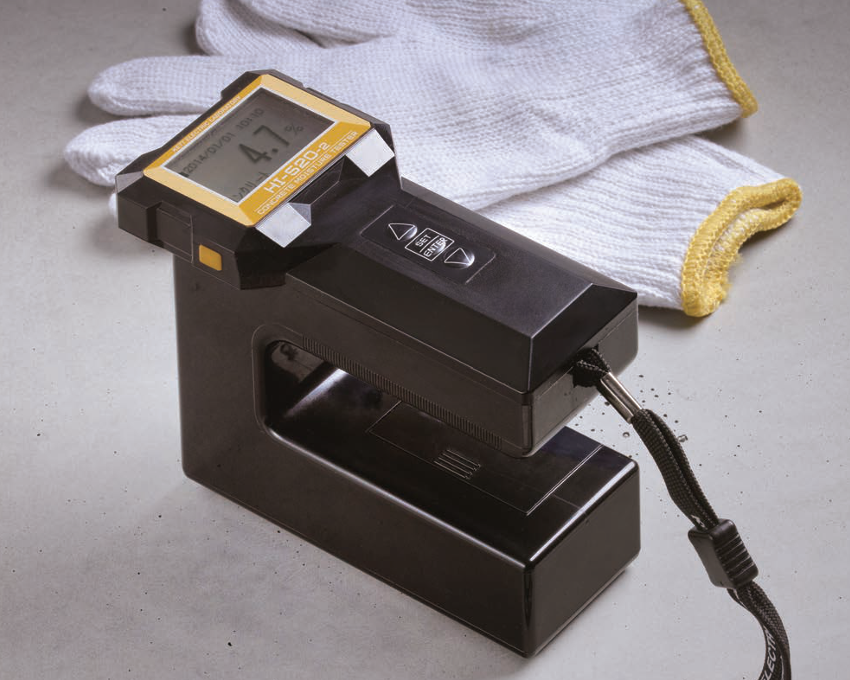
Moisture meters are used to check surrounding walls, ceilings, and flooring for hidden dampness. Thermal imaging may also be used to detect areas where condensation has accumulated behind surfaces.
Indoor humidity levels are measured to determine whether environmental conditions are contributing to the problem.
Companies such as Tip Top Water and Fire Damage Restoration often find moisture in areas homeowners did not suspect, particularly inside ceiling cavities and duct insulation.
The AC Moisture Repair Process
Once the source of moisture is identified, repairs begin.
Clogged drain lines are cleared, damaged components are replaced, and duct insulation may be repaired or upgraded. If moisture has spread to surrounding materials, drying equipment such as air movers and dehumidifiers may be used.
Drying is essential to prevent mold growth and structural damage. After drying is complete, minor repairs such as replacing drywall or repainting may be necessary.
Thorough drying and humidity control are key steps in preventing recurring problems.
Mold Risks Associated with AC Moisture
One of the main reasons AC moisture problems require prompt attention is the risk of mold growth.
Mold thrives in warm, damp environments and can begin developing within a short time when moisture is present. Because AC moisture problems often remain hidden, mold may grow behind walls or ceilings before becoming visible.
Early detection and thorough drying significantly reduce this risk.
Practical Steps to Prevent Future AC Moisture Problems
Preventive maintenance is one of the most effective ways to reduce the risk of AC moisture issues.
Replacing air filters regularly helps maintain proper airflow. Keeping condensate drain lines clean prevents clogs and overflows.
Scheduling periodic HVAC inspections helps identify worn or damaged components before they fail.
Monitoring indoor humidity levels and using dehumidifiers during especially humid periods can also help prevent moisture buildup.
After storms or prolonged humid weather, checking ceilings and walls near vents for early signs of moisture can prevent small problems from becoming major repairs.
Why Local Experience Matters
AC moisture repair in coastal environments requires an understanding of how humidity, salt air, and building construction interact. Professionals familiar with Biscayne Park, North Miami, and nearby communities know where moisture problems are most likely to occur and how to address them effectively.
Tip Top Water and Fire Damage Restoration has handled many AC moisture cases in local properties where early inspections prevented significant structural damage.
Local experience helps ensure repairs are thorough and designed to prevent recurrence.
A Calm, Practical Next Step
AC moisture problems are common in humid coastal areas, but they are manageable when addressed early. Paying attention to warning signs, maintaining HVAC systems, and scheduling inspections when needed can prevent long-term damage.
With proper maintenance and timely repairs, most AC moisture issues in Biscayne Park homes can be resolved efficiently, helping property owners maintain comfortable and well-protected living spaces.