
Smoke Damage Cleanup in Miami Shores: Real-World Observations from Local Properties
Smoke damage is rarely simple.
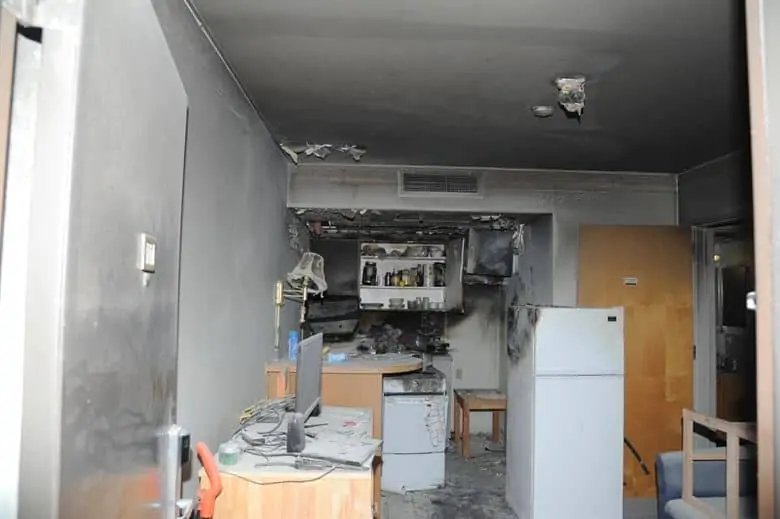
In Miami Shores, we’ve seen fires that started small but left widespread contamination throughout the property. A stovetop flare-up. An electrical panel malfunction. A dryer overheating. The flames may have been contained quickly, but smoke moved fast and settled everywhere.
What homeowners often discover is that the visible soot on the walls is only part of the issue. The odor that lingers days later, the film on ceiling fans, the discoloration near vents — those are signs that smoke has traveled deeper than expected.
In South Florida’s climate, especially in Miami Shores and nearby North Miami, smoke damage behaves differently than it would in a dry state. Humidity changes everything.
What Smoke Damage Really Means
After a fire, smoke particles spread rapidly through air currents. In homes with central AC systems — which is nearly every property in Miami Shores — smoke gets pulled into ductwork and redistributed.
Smoke damage typically includes:
- Fine soot coating walls, ceilings, and fixtures
- Acidic residue that can corrode metal and electronics
- Odor embedded in porous materials
- Airborne particles trapped in insulation and duct systems
The type of fire matters too. A grease fire produces a different residue than an electrical fire. Synthetic materials create heavier soot than natural materials. In older Miami Shores homes built in the 1950s and 60s, plaster walls and wood framing can absorb odor more deeply than newer drywall construction.
Why Smoke Damage Is More Complicated in Miami Shores
South Florida humidity intensifies smoke damage.
Soot particles are microscopic and acidic. When humidity levels rise — which is common in Miami Shores, Biscayne Park, and Miami Shores year-round — those particles absorb moisture. This can cause:
- Smearing during improper cleaning
- Deeper staining into paint and drywall
- Persistent odor reactivation
- Accelerated corrosion on fixtures and wiring
Bayfront homes near Biscayne Bay experience another factor: salt exposure in the air. When salt and soot combine, corrosion can worsen on metal components.
We also see different patterns in condos in Aventura and Sunny Isles Beach. Smoke can migrate between units through shared ventilation shafts, meaning damage isn’t always confined to the unit where the fire occurred.
Common Signs Homeowners Notice
Some signs are immediate. Others appear days later.
In Miami Shores properties, homeowners often report:
- A strong smoky odor that won’t disappear
- Yellow or gray discoloration on ceilings
- Residue on countertops and cabinets
- AC blowing a faint smoke smell
- Black staining around air vents
In some cases, repainting walls temporarily hides staining, but odor returns because soot was never fully removed from the underlying surface.
Carpet and upholstery are especially vulnerable. Even when surfaces look clean, padding underneath often traps odor.
Hidden and Overlooked Areas
One of the biggest misconceptions about smoke damage is that it’s only visible where soot settles.
In reality, smoke travels into:
- Attic insulation
- Inside wall cavities
- Behind baseboards
- Electrical outlets
- Air ducts
- Beneath flooring materials
Attics in Miami Shores can retain smoke longer due to roof design and limited ventilation. In Florida’s warm climate, trapped smoke odor can intensify during hot afternoons.
If water was used to extinguish the fire, moisture combined with soot creates another layer of risk. Damp soot residue becomes even harder to remove and increases the chance of secondary mold growth.
Why DIY Smoke Cleanup Usually Fails
It’s natural for homeowners to start cleaning immediately.
But household cleaners are not designed for soot removal. In fact, they often make it worse.
Common DIY mistakes include:
- Wiping soot with wet cloths, causing smearing
- Using general-purpose cleaners that spread residue
- Painting over damaged areas without proper cleaning
- Ignoring HVAC contamination
Soot is acidic and fine. Without specialized tools, it embeds deeper into porous surfaces.
In rental properties across North Miami and Miami Shores, we often see cosmetic fixes attempted first. Weeks later, odor resurfaces because the source was never addressed.
Professional Smoke Inspection and Assessment
A proper smoke damage assessment looks beyond visible staining.
Inspection typically includes:
- Evaluating soot distribution patterns
- Checking HVAC systems for contamination
- Inspecting attic insulation
- Measuring moisture levels
- Identifying materials that require removal
In Miami Shores, moisture detection is critical. If water was used during fire suppression, hidden damp areas can lead to mold growth within 48–72 hours in Florida’s climate.
Tip Top Water and Fire Damage Restoration approaches smoke cleanup with both fire residue removal and moisture control in mind, especially in high-humidity coastal environments.
The Proper Smoke Damage Cleanup Process
Effective smoke cleanup follows a structured approach.
Containment
Affected areas are isolated to prevent cross-contamination.
Air Filtration
High-efficiency air filtration equipment removes airborne soot particles.
Dry Soot Removal
Specialized vacuums and dry-cleaning sponges lift residue without smearing.
Surface Cleaning
Professional soot-specific solutions neutralize acidic particles.
Deodorization
Advanced odor-neutralizing techniques address odor molecules embedded in materials.
HVAC Cleaning
Air ducts and AC components are cleaned to prevent recontamination.
Skipping any of these steps increases the likelihood of odor returning.
Water Damage After Fire
Fire damage in Miami Shores almost always comes with water damage.
Suppression systems and fire hoses introduce large amounts of water into the property. Combined with Florida heat and humidity, moisture can linger behind walls and under flooring.
Water damage restoration may include:
- Water extraction
- Structural drying
- Dehumidification
- Removal of saturated materials
- Ongoing moisture monitoring
Slab foundations common in North Miami Beach and Biscayne Park can trap moisture beneath tile or wood flooring if not properly dried.
Addressing water damage at the same time as smoke cleanup prevents long-term structural issues.
Air Ducts and AC Systems
In South Florida homes, central air conditioning systems are constantly running.
During a fire, smoke gets pulled into return vents and distributed throughout the home. If ducts are not cleaned, each AC cycle can release residual odor.
In condos in Sunny Isles Beach and Aventura, shared ventilation adds another layer of complexity.
Professional duct inspection and cleaning after smoke exposure helps:
- Improve indoor air quality
- Reduce persistent odor
- Protect HVAC components from corrosion
Without this step, smoke contamination often lingers.
Preventing Long-Term Smoke Issues
After cleanup, prevention becomes important.
Homeowners in Miami Shores can protect their properties by:
- Replacing heavily contaminated insulation
- Sealing and priming walls before repainting
- Maintaining indoor humidity below 60%
- Scheduling HVAC inspections
- Addressing any hidden moisture immediately
Humidity control is especially important in coastal areas like Surfside and Bal Harbour. High indoor moisture can reactivate odor trapped in materials.
Routine home maintenance and AC servicing also help prevent secondary complications.
Why Local Experience Matters
Smoke cleanup in Miami Shores is not the same as in a dry inland climate.
Local factors influence restoration:
- Year-round humidity
- Coastal salt exposure
- Older construction styles
- Slab foundations
- Central HVAC systems
Understanding how smoke interacts with Florida’s environment is critical for proper remediation.
Tip Top Water and Fire Damage Restoration has worked in Miami Shores, North Miami, Biscayne Park, and surrounding communities with an approach tailored to local conditions rather than generic procedures.
Experience in this region means recognizing how humidity affects soot, how quickly mold can develop after suppression water, and how ventilation patterns influence smoke spread.
Moving Forward After Smoke Damage
Experiencing a fire — even a small one — disrupts daily life.
But thorough smoke damage cleanup can restore both structure and indoor air quality when handled correctly.
The key is addressing every layer of contamination:
- Visible soot
- Hidden residue
- HVAC systems
- Moisture conditions
- Odor molecules embedded in materials
In Miami Shores, where humidity and coastal exposure amplify damage, attention to detail makes all the difference.
With proper inspection, structured cleanup, and moisture control, homes can be restored safely and completely — without lingering odor or hidden complications appearing months later.
Smoke damage is manageable. It simply requires a comprehensive approach grounded in local knowledge and careful restoration practices.