
Flood Restoration in Bayfront Homes in North Miami: A Practical Home Maintenance Guide
Bayfront living in North Miami offers incredible views, waterfront access, and a relaxed coastal lifestyle. However, homes located along canals and Biscayne Bay face a higher risk of flooding and water intrusion, especially during storms, king tides, and extended periods of heavy rainfall. For property owners, understanding flood restoration and how it connects to long-term home maintenance is essential to protecting both property value and indoor living conditions.
Flood damage is not only about removing water after an event. Proper restoration and ongoing maintenance prevent recurring issues such as mold growth, structural deterioration, and indoor air quality problems that often follow coastal flooding.
This guide helps North Miami homeowners understand what happens after flooding and how to maintain bayfront homes to avoid future problems.
Understanding Flood Risks in Bayfront Neighborhoods
Homes located near Biscayne Bay and along waterfront canals are exposed to several flooding risks throughout the year. Storm surge, heavy rainfall, and tidal flooding can quickly overwhelm drainage systems and allow water to enter living spaces.
Even properties not directly on the water may experience flooding when nearby canals rise or when storm drains become overloaded. Bayfront homes also face repeated exposure to moisture from humid coastal air, which can compound damage after flood events.
Because water can move quickly and silently through structures, damage often spreads far beyond what homeowners initially see.
What Happens Immediately After Flooding
After a flood event, the first signs of damage are usually obvious. Homeowners may find standing water, soaked carpets, warped flooring, and damaged furniture. However, the most serious problems frequently remain hidden.
Water seeps into walls, insulation, cabinetry, and structural framing. Even when surfaces appear dry, moisture may remain trapped inside building materials. In North Miami’s warm climate, this hidden moisture creates ideal conditions for mold growth within just a few days.
This is why professional flood restoration is critical after any significant water intrusion.
Step One: Professional Inspection and Damage Assessment
Flood restoration begins with a detailed inspection. Restoration specialists evaluate how far water traveled inside the home and determine which materials can be salvaged.
Moisture detection tools help locate water trapped behind walls, under flooring, and above ceilings. Inspectors also check electrical systems, HVAC components, and structural areas for safety concerns.
This step ensures that restoration focuses on all affected areas, not just visible damage.
Step Two: Water Extraction and Initial Cleanup
Once the property is safe to enter, restoration teams remove standing water using professional extraction equipment. Removing water quickly prevents further material damage and reduces mold risk.
Debris carried in by floodwater is cleared away, and contaminated materials such as soaked carpets or damaged drywall may need removal. Floodwater often contains contaminants, making thorough cleanup essential.
Quick action during this phase significantly reduces long-term repair costs.
Step Three: Drying and Dehumidification
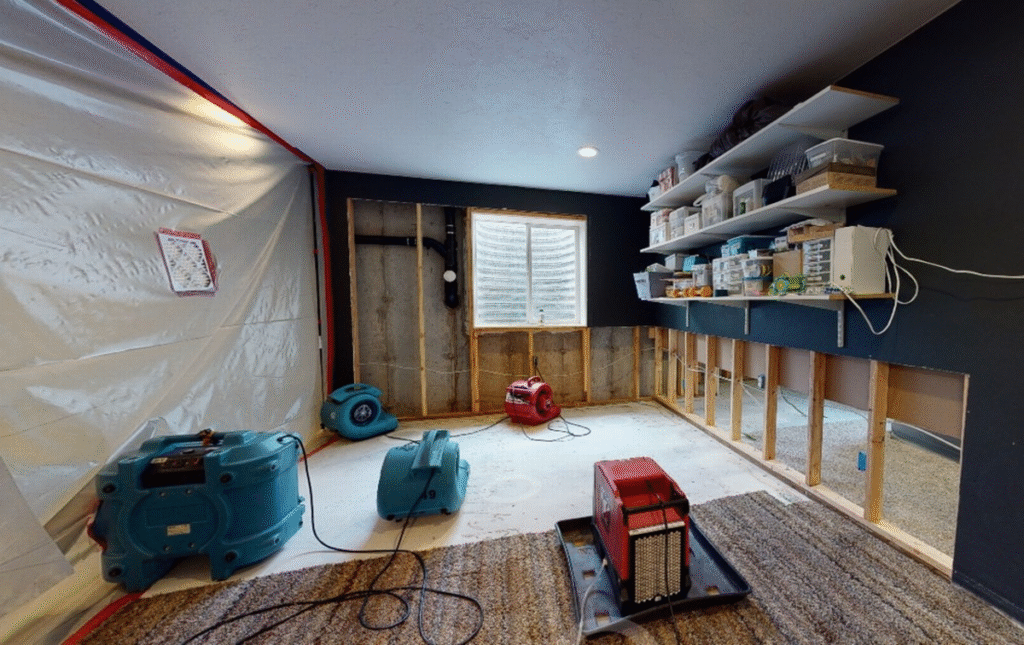
After water extraction, drying begins. Air movers and industrial dehumidifiers are installed to remove remaining moisture from walls, floors, and structural materials.
Drying typically takes several days, and moisture levels are monitored continuously to ensure hidden dampness is fully removed. In North Miami’s humid environment, incomplete drying often leads to recurring problems later.
Proper drying protects the home’s structure and prevents mold from forming.
Step Four: Cleaning and Sanitizing Affected Areas
Because floodwater may contain bacteria and debris, professional cleaning and sanitization are necessary. Specialized cleaning solutions remove contaminants and help prevent mold growth.
This step restores safe living conditions and prepares the property for repair work.
Homes located near bayfront areas may experience saltwater intrusion, which increases corrosion risk for metal components and appliances if not properly addressed.
Step Five: Repairs and Restoration Work
Once drying and cleaning are complete, restoration repairs begin. This stage returns the home to its pre-loss condition.
Common restoration tasks include replacing drywall, repainting walls, reinstalling insulation, repairing flooring, and restoring cabinetry or trim damaged by water.
Completing repairs promptly prevents long-term structural issues and allows homeowners to return to normal living conditions sooner.
Companies such as Tip Top Water and Fire Damage Restoration frequently assist North Miami homeowners through both cleanup and repair phases after flooding events.
Hidden Damage That Homeowners Often Miss
Even after repairs, hidden issues can remain if restoration is incomplete. Professionals often discover:
Moisture trapped under flooring
Mold growth inside wall cavities
Damaged insulation retaining water
Corrosion of electrical components
Mold contamination inside HVAC systems
Because bayfront homes experience ongoing humidity exposure, small overlooked moisture pockets can lead to larger problems later.
Routine inspections after flooding help ensure restoration is complete.
HVAC Systems and Flood Recovery
Air conditioning systems are particularly vulnerable during flooding. Equipment installed at ground level or in lower mechanical rooms can become contaminated or damaged by floodwater.
Additionally, ductwork exposed to moisture may spread odors or mold spores through the home if not properly cleaned.
Inspecting and servicing HVAC systems after flood events is essential for maintaining indoor air quality and system performance.
Preventing Future Flood Problems in Bayfront Homes
Flood restoration is only part of protecting waterfront properties. Ongoing maintenance plays a major role in reducing future risks.
Homeowners can reduce vulnerability by:
Regularly inspecting roofs and exterior seals
Maintaining drainage systems and gutters
Ensuring proper grading directs water away from the home
Elevating vulnerable equipment when possible
Monitoring humidity levels indoors
Scheduling periodic moisture inspections
Taking preventive steps helps minimize future restoration needs.
Seasonal Maintenance Matters in Coastal Areas
North Miami homes face repeated exposure to storms and heavy rainfall, making seasonal maintenance essential. Before hurricane season, homeowners should check windows, doors, and roof systems for potential water entry points.
After storms, quick inspections help catch small leaks before they become major problems. Maintaining AC systems and ensuring drain lines function properly also prevents condensation-related moisture damage.
Preventive maintenance protects both property and peace of mind.
Why Local Experience Matters in Flood Restoration
Flood restoration in coastal communities differs from restoration in inland areas. Professionals familiar with North Miami understand local construction methods, flood patterns, and recurring moisture issues specific to bayfront homes.
Local expertise allows restoration teams to identify risks quickly and recommend solutions tailored to coastal conditions rather than generic approaches.
Tip Top Water and Fire Damage Restoration regularly assists homeowners throughout North Miami and surrounding coastal neighborhoods dealing with water damage challenges.
A Practical Path Forward for Bayfront Homeowners
Flooding is an unfortunate reality for many bayfront properties, but proper restoration and proactive maintenance can prevent long-term damage. Acting quickly after water intrusion, ensuring professional drying, and maintaining the home year-round protect both structure and comfort.
For North Miami homeowners, understanding flood restoration helps transform a stressful situation into a manageable recovery process.
With preparation and proper maintenance, bayfront homes can remain resilient and enjoyable despite the challenges of coastal living.