
How Coastal Conditions Make Things Worse: Indoor Air Quality Improvement Challenges in North Miami
Indoor air quality problems in North Miami rarely come from one single cause.
They build gradually.
A little extra humidity after a week of rain. A slightly clogged AC drain line. A bit of salt air working its way into ductwork. Over time, those small environmental pressures combine — and the indoor air starts to feel heavier, mustier, or less comfortable.
North Miami sits just west of Biscayne Bay, close enough to feel coastal humidity and salt exposure year-round. That proximity creates indoor air quality (IAQ) challenges that are very different from dry inland cities.
Understanding how coastal conditions make things worse is the first step toward improving indoor air quality long-term.
What Indoor Air Quality Really Means
Indoor air quality refers to the condition of the air inside your home or property. It includes:
- Humidity levels
- Airflow balance
- Airborne particles
- Dust accumulation
- Mold spores
- Odors
- HVAC system cleanliness
In North Miami, humidity is often the driving force behind air quality issues.
You can have a clean home and still struggle with poor indoor air quality if moisture isn’t properly managed.
Why Coastal Conditions Amplify IAQ Problems
Living near Biscayne Bay means moisture and salt are constant environmental factors.
North Miami properties face:
- Elevated outdoor humidity
- Salt-laden air exposure
- Heavy seasonal rain
- High groundwater levels
- Continuous AC operation
These elements don’t cause immediate damage — but they gradually affect indoor air conditions.
Nearby communities like Miami Shores, Bal Harbour, Sunny Isles Beach, and Aventura experience similar patterns, especially in properties close to the water.
Humidity: The Foundation of Most Air Quality Issues
South Florida humidity rarely drops significantly.
When indoor humidity rises above 60 percent, several things happen:
- Mold growth becomes more likely
- Musty odors develop
- Dust mites increase
- Wood absorbs moisture
- AC systems work harder
Even without visible mold, high humidity makes air feel stale.
In tightly sealed homes and condos, excess humidity may remain trapped indoors if ventilation is inadequate.
Improving indoor air quality in North Miami almost always starts with humidity control.
Salt Air and Corrosion Inside HVAC Systems
Salt exposure is not just an exterior issue.
Fine salt particles in coastal air can enter homes through ventilation systems and settle inside HVAC components.
Over time, salt can:
- Corrode evaporator coils
- Deteriorate duct insulation
- Affect metal duct seams
- Reduce overall HVAC efficiency
In older North Miami homes, duct systems installed decades ago may already have worn insulation or minor air leaks.
Salt exposure accelerates that deterioration.
Corrosion doesn’t happen overnight — but it contributes to gradual air quality decline.
The Role of HVAC Systems in Coastal IAQ
Air conditioning systems run most of the year in North Miami.
When functioning properly, they:
- Remove moisture
- Circulate filtered air
- Maintain balanced airflow
When maintenance is neglected, they may contribute to IAQ problems.
Common HVAC-related concerns include:
- Clogged condensate drain lines
- Dirty evaporator coils
- Restricted airflow
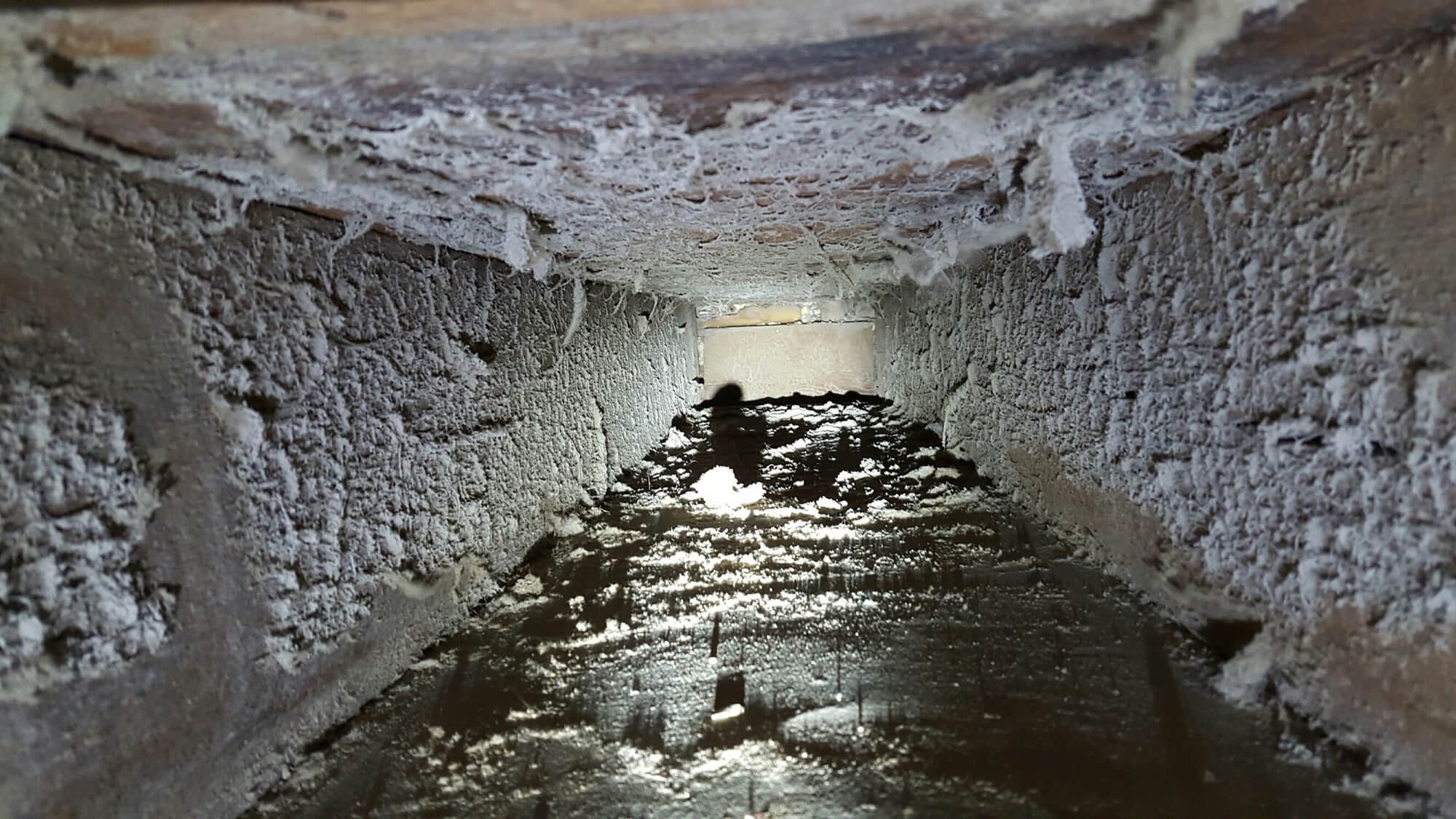
- Contaminated ductwork
Clogged drain lines can cause water overflow inside ceilings or walls, increasing hidden moisture.
Dirty coils reduce moisture removal efficiency, allowing humidity to remain elevated indoors.
Routine servicing is not optional in coastal climates — it’s essential.
Hidden Moisture and Its Impact on Air
Moisture is often present long before visible damage appears.
Hidden dampness may exist in:
- Wall cavities
- Attics
- Slab foundations
- Behind cabinets
- Around window frames
In slab-on-grade homes common in North Miami and Miami Shores, groundwater can migrate upward after prolonged rain.
Even minor roof leaks during storm season can allow moisture to accumulate inside insulation.
When hidden moisture lingers, indoor air quality gradually declines.
Tip Top Water and Fire Damage Restoration frequently identifies moisture-related IAQ issues in North Miami properties that initially appeared to be simple ventilation problems.
Mold and Air Quality
Mold is one of the most common consequences of elevated humidity.
In North Miami homes, mold often develops due to:
- AC condensation issues
- Roof leaks
- Plumbing drips
- Flooding events
- Poor ventilation
Signs mold may be affecting indoor air include:
- Persistent musty odor
- Discoloration near vents
- Bubbling paint
- Increased indoor humidity
Mold growth behind walls or inside ducts can circulate spores throughout the property.
Addressing mold requires correcting moisture — not just cleaning surfaces.
High-Rise vs. Single-Family IAQ Challenges
North Miami includes both single-family homes and mid-rise or high-rise properties near Aventura.
High-rise buildings often experience:
- Shared ventilation systems
- Vertical moisture migration
- Limited natural airflow
Single-family homes often deal with:
- Slab moisture
- Attic ventilation challenges
- Aging duct systems
Each property type requires a slightly different IAQ improvement strategy.
Air Duct Contamination
Duct systems accumulate dust and debris over time.
In humid coastal conditions, ducts may also experience condensation.
Contaminated ducts can:
- Circulate particles
- Reduce airflow efficiency
- Contribute to odor
- Impact overall comfort
Professional duct inspection helps determine whether cleaning is necessary.
In older properties near Biscayne Park and Miami Shores, duct systems may benefit from periodic evaluation due to age and environmental exposure.
Practical Steps to Improve IAQ in North Miami
Long-term air quality improvement requires consistency.
Property owners can:
1. Monitor Indoor Humidity
Keep humidity below 60 percent.
Use dehumidifiers if needed during humid months.
2. Service HVAC Systems Annually
Inspect coils, drain lines, and airflow balance.
3. Replace Filters Regularly
Clean filters improve airflow and reduce airborne particles.
4. Inspect After Storms
Check ceilings, baseboards, and attics for signs of moisture intrusion.
5. Consider Moisture Detection
If musty odor persists without visible damage, professional moisture mapping may identify hidden dampness.
Water Damage and Air Quality
Water intrusion has an immediate impact on indoor air.
Even small plumbing leaks can raise indoor humidity levels.
Prompt water removal and structural drying prevent secondary mold issues.
In North Miami’s climate, untreated moisture quickly translates into air quality problems.
Why Local Coastal Experience Matters
Indoor air quality improvement in North Miami requires understanding:
- Elevated groundwater behavior
- Salt air corrosion
- Slab foundation construction
- Continuous AC operation
- Seasonal storm patterns
What works in dry inland climates often does not fully address coastal humidity challenges.
Local knowledge ensures that IAQ strategies focus on moisture control, HVAC performance, and long-term structural stability.
Staying Ahead of Air Quality Problems
Indoor air quality problems don’t usually appear suddenly.
They develop gradually through:
- Elevated humidity
- Minor leaks
- HVAC neglect
- Salt-related corrosion
By identifying these risks early, property owners in North Miami can prevent small issues from growing into larger restoration projects.
Proactive maintenance — combined with periodic inspection — protects indoor comfort and long-term property value.
Coastal living brings environmental challenges. But with consistent care and informed attention, indoor air quality can remain stable, balanced, and comfortable year-round.