
Indoor Air Quality Improvement in North Miami: Key Facts Every Property Owner Should Know
Indoor air quality is something many property owners in North Miami rarely think about—until something begins to feel wrong inside the home or building. Perhaps certain rooms feel stuffy, a musty odor lingers, or indoor comfort seems inconsistent even though the air conditioning runs constantly. Sometimes concerns arise during real estate transactions when buyers or property managers request professional testing before closing or leasing.
At QualityAir Mold Inspection & Testing, indoor air quality concerns are among the most common reasons property owners throughout North Miami and surrounding South Florida communities request inspections. The region’s humidity, storm exposure, and nearly continuous air conditioning use create conditions where moisture and airborne contaminants can quietly accumulate indoors.
Understanding how indoor air quality problems develop—and knowing what steps actually improve conditions—helps property owners protect their buildings, occupants, and long-term property value.
A Typical Situation in North Miami Properties
A common scenario begins after heavy rainfall, a minor plumbing leak, or air conditioning issues. Visible water is cleaned up, repairs appear complete, and everything seems normal again.
Weeks later, however, occupants begin noticing musty odors or rooms that feel humid or uncomfortable. Cleaning vents or replacing filters provides temporary relief, but odors return.
During inspections, we often discover hidden moisture behind walls, inside attic spaces, or within HVAC systems where mold may be developing quietly. Because nothing visible appears in living areas, property owners often assume the issue is temporary.
In reality, indoor air quality may already be affected by hidden moisture conditions that require professional attention.
What Indoor Air Quality Really Means
Indoor air quality refers to the condition of air inside homes or buildings and how it affects occupant comfort and building performance. In South Florida, air quality problems are often connected to moisture rather than obvious pollution sources.
Poor indoor air quality commonly results from:
- Elevated humidity levels
- Mold growth caused by hidden moisture
- Dust accumulation inside HVAC systems
- Dirty or poorly maintained air ducts
- Inadequate ventilation
- Lingering moisture after leaks or flooding
Because these factors are often hidden, property owners may not immediately recognize that indoor air conditions are deteriorating.
Why Air Quality Problems Are Common in North Miami
North Miami properties face environmental conditions that naturally create air quality challenges. High humidity remains present throughout most of the year, and seasonal storms frequently introduce moisture into buildings.
Air conditioning systems operate almost constantly, cooling indoor air while producing condensation. When drain lines clog or duct insulation deteriorates, moisture may accumulate around HVAC systems, allowing mold growth.
Roof leaks, plumbing failures, or water intrusion around windows and doors can also introduce hidden moisture into walls or ceilings. In condominiums and apartment buildings, moisture may spread from neighboring units through shared structures.
Because materials dry slowly in humid climates, moisture problems often persist longer than property owners expect.
How Indoor Air Quality Affects Buildings
Indoor air quality problems often signal underlying moisture issues that damage building materials over time.
Common impacts include:
- Persistent musty odors
- Increased indoor humidity
- Peeling or bubbling paint
- Warped baseboards or cabinetry
- Dust buildup near vents
- Reduced cooling efficiency
Damp insulation and hidden moisture can cause HVAC systems to work harder, increasing energy costs.
Air quality concerns can also affect property value. Buyers and tenants often request professional evaluations when odors or humidity concerns exist, and unresolved issues may delay transactions or leasing decisions.
Addressing problems early protects both building conditions and property value.
Mold Inspection vs. Indoor Air Quality Testing
Property owners often wonder whether they need mold inspection or air quality testing services.
A professional mold inspection focuses on identifying moisture sources and determining whether mold growth exists or may be hidden within the building.
Indoor air quality testing measures airborne contamination levels and compares indoor air to outdoor conditions.
Often, both services are performed together. Inspection findings help professionals correctly interpret testing results and locate contamination sources.
If mold contamination is confirmed, professional remediation contractors remove affected materials and correct moisture conditions to prevent recurrence.
QualityAir Mold Inspection & Testing focuses on inspection and testing so corrective action addresses root causes rather than temporary symptoms.
Why DIY Air Quality Fixes Often Fail
Some property owners attempt to solve air quality problems using air fresheners, portable air purifiers, or small dehumidifiers. While these methods may temporarily improve comfort, they rarely correct underlying moisture problems.
Lowering thermostat settings without addressing humidity or ventilation can even create additional condensation in some situations.
Another common mistake is ignoring musty odors because no mold is visible. Hidden contamination often continues spreading until larger damage appears.
Professional inspections focus on identifying moisture sources rather than masking symptoms.
What Happens During Professional Air Quality Evaluation
Professional indoor air quality evaluation follows a structured process.
Inspectors begin by discussing occupant concerns, including odors, humidity issues, or past water intrusion events. Building history often reveals likely moisture sources.
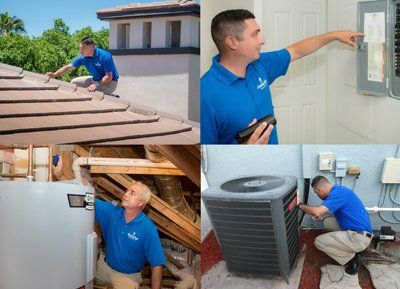
A visual inspection evaluates HVAC systems, kitchens, bathrooms, attics, and exterior conditions to identify moisture or ventilation problems.
Air samples may be collected from selected indoor areas and compared with outdoor samples. Surface samples may also be taken where contamination is suspected.
Moisture meters and thermal imaging cameras help detect hidden damp materials contributing to poor air quality.
After laboratory analysis, property owners receive a detailed report explaining findings and recommended corrective steps.
An Insight Many Property Owners Don’t Expect
One surprising lesson from many North Miami inspections is that indoor air quality issues often originate from small, unnoticed moisture problems rather than major flooding events.
A slow plumbing drip or condensation around ductwork may introduce moisture continuously for months. Mold then develops quietly behind walls or inside HVAC systems, affecting air quality long before visible signs appear.
Routine inspections after repairs or storms often prevent larger air quality problems later.
Practical Ways to Improve Indoor Air Quality
Improving indoor air quality requires controlling moisture and maintaining building systems.
HVAC systems should receive regular maintenance to ensure drain lines remain clear and condensation drains properly. Filters should be replaced regularly to reduce airborne particles.
Leaks should be repaired immediately, even if damage appears minor. Wet materials increase contamination risks when left untreated.
Bathrooms, kitchens, and laundry areas should be properly ventilated to reduce humidity buildup.
After storms or flooding, materials should be dried quickly to prevent mold growth.
Periodic professional inspections help confirm hidden moisture problems have not developed.
Why Local Experience Matters in North Miami
Indoor air quality behaves differently in humid coastal climates compared to drier regions. Inspectors must understand how North Miami’s humidity, storms, and building construction influence indoor conditions.
Our experience inspecting homes throughout North Miami and surrounding South Florida communities allows us to quickly recognize moisture patterns specific to local properties and recommend realistic solutions suited to the region.
Local expertise results in faster, more accurate evaluations and practical improvement strategies.
Practical Guidance for North Miami Property Owners
If your property has persistent odors, humidity concerns, or suspected hidden moisture, professional indoor air quality evaluation can clarify conditions before problems worsen.
QualityAir Mold Inspection & Testing provides professional mold inspection, mold testing, and indoor air quality evaluation services while coordinating remediation when necessary.
Taking action early protects occupant comfort, prevents hidden structural damage, and helps maintain long-term property value in North Miami’s humid environment.
Improving indoor air quality is ultimately about controlling moisture and ensuring that hidden problems are corrected before they become costly repairs.