
Simple Ways to Reduce Long-Term Damage: Mold Inspection Challenges in Miami Shores
Miami Shores has character.
From 1940s-era homes to mid-century properties with concrete block construction, the neighborhood offers charm you don’t see in newer developments. But along with that charm comes something less appealing: moisture vulnerability.
In a coastal South Florida environment, mold doesn’t need dramatic flooding to develop. It needs time and moisture. And in Miami Shores, both are readily available.
Mold inspection isn’t just about confirming growth. It’s about identifying hidden moisture patterns before they turn into structural damage. The challenge is that in this climate, mold doesn’t always make itself obvious.
Understanding the inspection challenges — and how to reduce long-term damage — is critical for homeowners and property managers.
Why Mold Inspections Are More Complex in Miami Shores
Unlike drier climates, Miami Shores experiences:
- High year-round humidity
- Heavy seasonal rain
- Wind-driven storm intrusion
- Elevated groundwater levels
- Constant air conditioning use
- Salt-heavy coastal air
These conditions allow moisture to linger inside building materials longer than most homeowners realize.
Concrete block walls, slab foundations, and older roofing systems common in Miami Shores create additional complications.
Moisture can hide quietly for months before visible mold appears.
The Hidden Moisture Problem
One of the biggest inspection challenges in Miami Shores is hidden moisture.
Mold frequently develops:
- Inside wall cavities
- Beneath laminate flooring
- Under carpet padding
- In attic insulation
- Behind bathroom tile
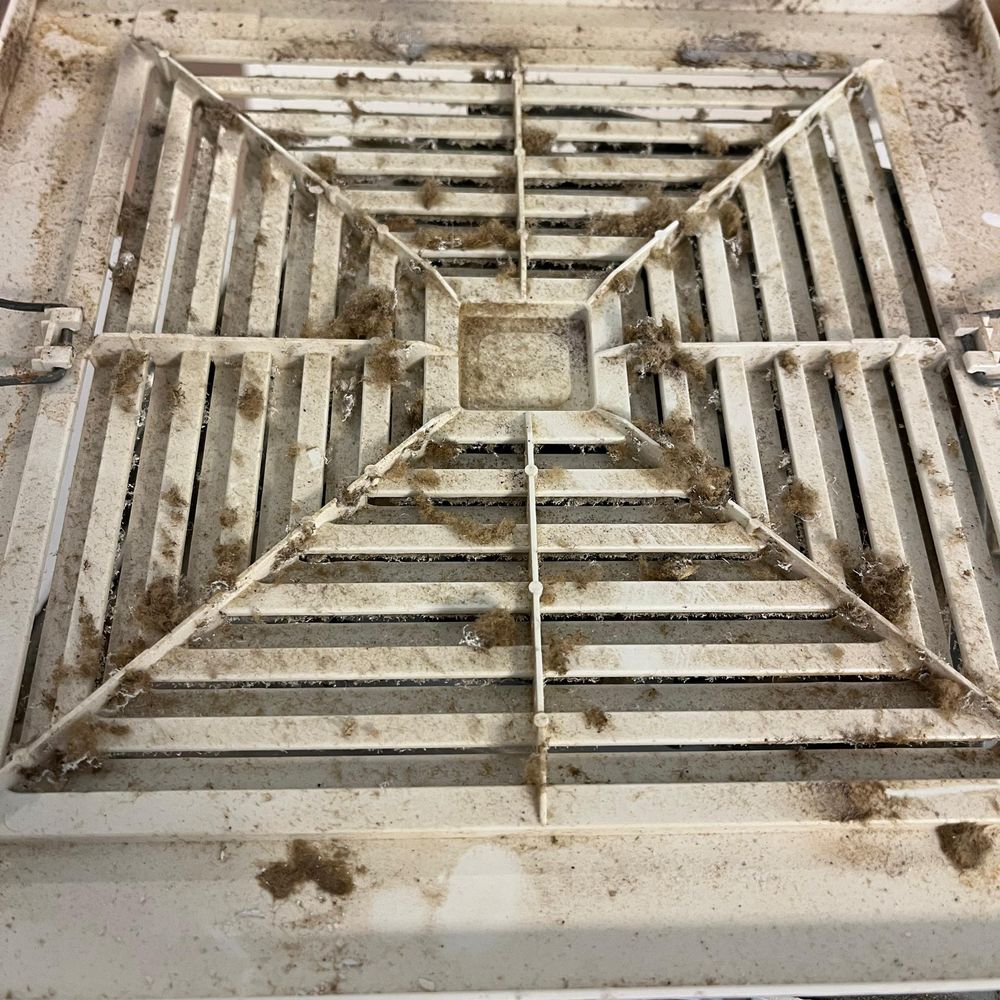
- Inside HVAC ductwork
Because the surface may appear dry, homeowners often delay inspection.
By the time discoloration appears, moisture has typically spread beyond the visible area.
Professional moisture detection tools — not visual inspection alone — are necessary.
Slab Foundations and Subfloor Risks
Many Miami Shores homes are built on slab foundations.
When plumbing leaks develop beneath the slab or groundwater levels rise during extended rain, moisture can migrate upward into flooring systems.
Signs may include:
- Warped wood flooring
- Tile adhesive failure
- Musty smells
- Soft spots under carpet
Mold inspection in these cases requires subfloor moisture testing.
Without accurate readings, mold growth under flooring can remain undetected.
Roof and Attic Challenges
Tile roofs are common throughout Miami Shores. Over time, flashing failures and underlayment aging allow slow water intrusion.
Attics are often overlooked during inspections.
Warm, humid air rises and condenses against cooler roof sheathing. Poor ventilation compounds the issue.
Attic mold may not be visible from below, but it can spread across insulation and structural framing.
Regular attic inspection significantly reduces long-term damage.
AC Systems: The Quiet Contributor
Air conditioning runs almost continuously in Miami Shores.
AC-related mold issues often originate from:
- Clogged condensate drain lines
- Rusted drain pans
- Insufficient insulation on ductwork
- Air handler closet moisture buildup
Condensation inside ducts creates ideal conditions for microbial growth.
If the HVAC system isn’t evaluated during mold inspection, a key moisture source may be missed.
Air duct cleaning and system maintenance are often part of a preventive strategy.
Wind-Driven Rain and Window Intrusion
During storm season, wind pushes rain sideways.
Water can enter through:
- Window seals
- Door frames
- Wall cracks
- Roof penetrations
Because intrusion is often minor, drywall may dry on the surface while insulation remains wet inside.
Thermal imaging and moisture meters help identify these concealed areas.
Skipping post-storm inspections increases long-term risk.
Why DIY Inspections Fall Short
Homeowners may look for:
- Visible stains
- Peeling paint
- Mold odor
But mold inspection requires more than observation.
Professional inspections may include:
- Moisture mapping
- Thermal imaging
- Humidity measurement
- HVAC evaluation
- Roof and flashing inspection
- Plumbing leak checks
Without equipment, hidden moisture remains undetected.
In Miami Shores’ humid climate, even small undetected leaks can escalate quickly.
Simple Ways to Reduce Long-Term Damage
While mold inspection challenges exist, prevention is manageable.
1. Schedule Regular Moisture Inspections
Annual inspections — especially before and after hurricane season — catch problems early.
2. Monitor Indoor Humidity
Keep indoor humidity between 45% and 55%. Excess humidity allows mold to develop even without leaks.
3. Maintain Roof and Flashing
Inspect roof tiles and flashing annually. Minor repairs prevent major attic moisture buildup.
4. Service HVAC Systems
Regular AC maintenance prevents condensate overflow and duct moisture.
5. Address Leaks Immediately
Even small plumbing drips behind cabinets can create wall cavity mold over time.
6. Inspect After Heavy Storms
Post-storm moisture checks prevent long-term damage from wind-driven rain.
Proactive steps reduce the need for extensive mold remediation later.
The Mold and Water Damage Connection
Many mold problems begin with unnoticed water damage.
In Miami Shores, water intrusion may stem from:
- Roof leaks
- Plumbing failures
- Slab leaks
- AC condensation
- Flooding during heavy rain
If water is not removed and materials are not dried thoroughly, mold becomes the next issue.
Early water damage repair prevents escalation.
Why Local Experience Makes a Difference
Mold inspection in Miami Shores is not the same as inspection in inland cities.
Professionals must understand:
- Coastal humidity patterns
- Concrete block drying behavior
- Slab moisture migration
- Hurricane-driven rain impact
- Older home construction methods
Tip Top Water and Fire Damage Restoration works regularly throughout Miami Shores, North Miami, Biscayne Park, and nearby coastal communities.
Local familiarity allows inspectors to anticipate moisture patterns specific to this area — not just react to visible mold.
That experience reduces unnecessary demolition and prevents incomplete remediation.
A Practical Approach for Homeowners
Mold inspection shouldn’t be reactive.
In Miami Shores, it’s part of routine property maintenance.
If you notice subtle changes — persistent humidity, faint odors, minor staining — don’t wait for visible mold growth.
Inspect early. Measure moisture accurately. Correct sources quickly.
Long-term structural protection depends on moisture control.
In South Florida’s coastal climate, prevention is not optional — it’s essential.
With consistent monitoring and proactive maintenance, homeowners in Miami Shores can reduce the risk of extensive mold remediation and preserve their property’s integrity for years to come.