
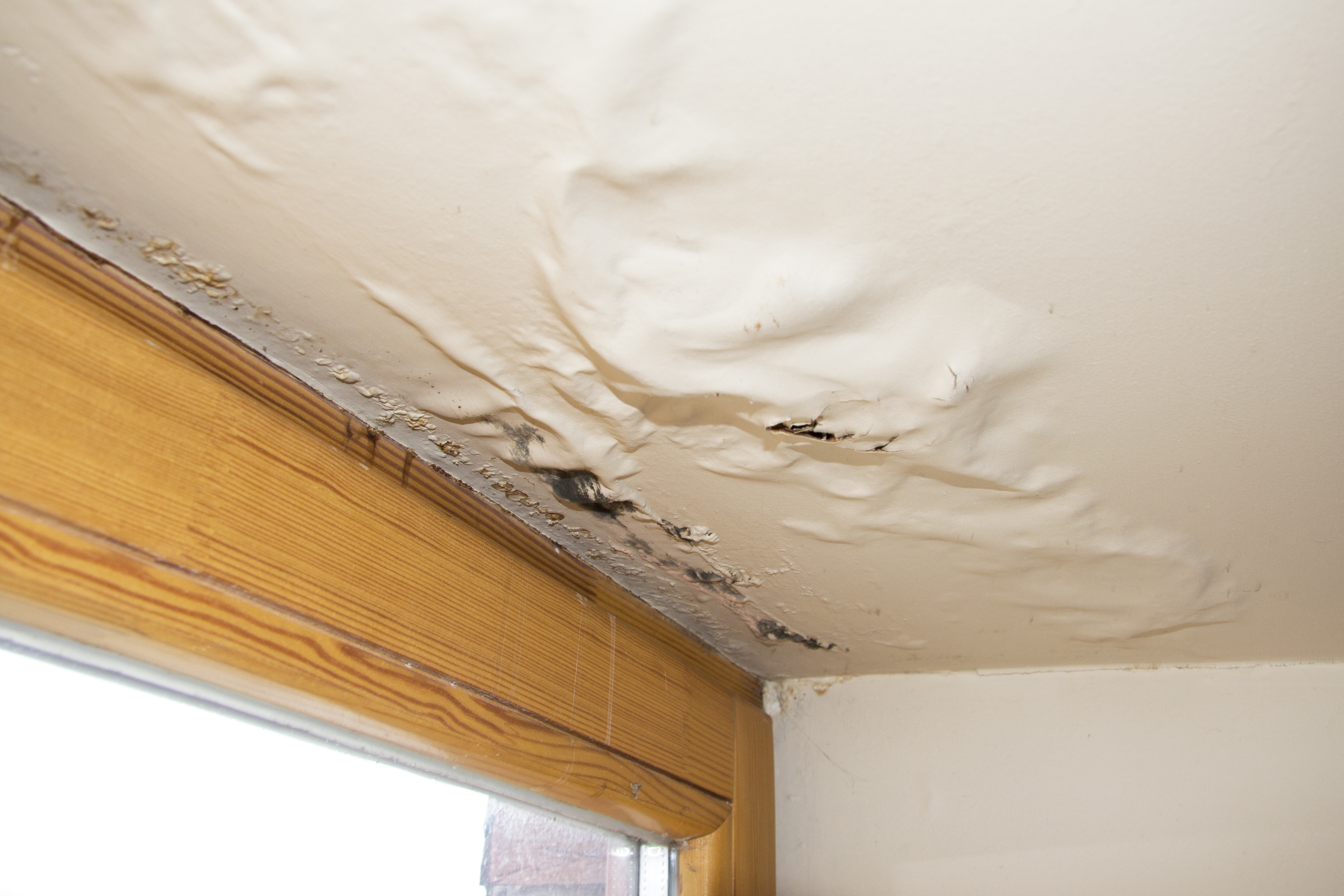
Why Water Damage Repair Becomes Necessary in North Miami Beach After Roof Leaks
Roof leaks are one of the most common causes of property damage in North Miami Beach. Many homeowners assume a small ceiling stain or occasional drip during heavy rain is a minor issue, but in coastal South Florida, even a small roof leak can quickly lead to widespread water damage. High humidity, heavy storms, and constant exposure to coastal weather conditions allow moisture problems to escalate faster than many residents expect.
Understanding why water damage repair becomes necessary after roof leaks helps homeowners act quickly and prevent long-term structural and indoor air quality problems. In North Miami Beach and surrounding coastal communities, early action can mean the difference between a simple repair and a major restoration project.
What Happens When a Roof Leak Begins
A roof leak rarely causes immediate, visible destruction. Instead, water slowly seeps through roofing materials, insulation, and structural components before finally appearing inside living spaces.
By the time water stains appear on ceilings or walls, moisture has usually been entering the structure for some time. Water travels along beams and framing, spreading into multiple areas before becoming visible.
In North Miami Beach homes, leaks often begin after storms, aging roof materials, damaged flashing, or clogged drainage systems allow rainwater to penetrate roofing layers. Once water enters, damage can continue long after rainfall stops.
Why Roof Leaks Cause Bigger Problems in North Miami Beach
Coastal properties face unique conditions that worsen leak damage. Humid air slows natural drying, allowing moisture to remain trapped in ceilings and walls. Warm temperatures further accelerate mold growth when materials stay damp.
Storm activity is also frequent in South Florida. Heavy rains and wind-driven water can push moisture under shingles or tiles, creating leaks even in roofs that appear structurally sound.
Salt air exposure also accelerates wear on roofing materials, especially metal components and fasteners. Over time, corrosion creates small openings where water can enter.
Because of these environmental factors, even minor roof damage can quickly result in significant water intrusion.
Common Signs Homeowners Notice First
Roof leaks often reveal themselves gradually. Homeowners in North Miami Beach typically notice:
Ceiling discoloration or stains
Peeling or bubbling paint
Musty odors after rain
Water dripping from light fixtures or vents
Sagging drywall or soft ceiling spots
Damp insulation in attics
Mold spots forming near ceilings or walls
Unfortunately, these signs usually indicate water has already spread beyond the visible area.
Hidden Damage Often Found After Leaks
Professional inspections frequently uncover hidden damage that homeowners never suspected. Water often spreads into:
Attic insulation holding moisture
Wall cavities behind drywall
Wood framing and roof decking
Electrical wiring areas
HVAC duct systems
Flooring and cabinetry beneath leak areas
Because moisture travels along structural elements, damage often extends far beyond the original entry point. If left untreated, materials weaken and mold growth begins.
This hidden damage is why water damage repair becomes necessary even after small leaks.
Why DIY Repairs Usually Don’t Solve the Problem
Many homeowners try to fix leaks themselves by patching ceilings or applying temporary roof sealants. While this may hide visible damage, it rarely addresses underlying moisture problems.
Water trapped inside walls and insulation continues to cause damage even after surface repairs are completed. Painting over stains or replacing drywall without drying materials simply traps moisture inside the structure.
DIY attempts also miss mold growth, which can begin quickly in North Miami Beach’s climate. Without proper drying equipment and inspection, problems return.
Professional Inspection and Moisture Detection
Water damage repair starts with a thorough inspection. Restoration professionals evaluate the full extent of moisture intrusion using specialized equipment.
Moisture meters and thermal imaging tools help detect damp areas hidden behind walls and ceilings. Inspectors also evaluate attic spaces, ventilation systems, and structural components.
Identifying the full moisture spread ensures repairs address all affected areas rather than only visible damage.
The Water Damage Repair Process Explained
Once inspection is complete, restoration begins with removing damaged materials when necessary. Soaked drywall, insulation, and ceiling materials may need removal to prevent further deterioration.
Next, professional drying equipment is installed. Air movers and industrial dehumidifiers remove trapped moisture from structural materials. This drying phase often takes several days depending on how much water entered the home.
After drying, surfaces are cleaned and treated to prevent mold growth. Repairs then restore affected areas, including drywall replacement, painting, and structural fixes.
Companies such as Tip Top Water and Fire Damage Restoration frequently help North Miami Beach homeowners move from leak damage through full restoration, ensuring repairs are properly completed.
When Roof Leaks Lead to Mold Problems
In many cases, roof leaks eventually lead to mold contamination. When insulation or drywall remains wet, mold spores quickly begin spreading.
Mold growth often appears weeks or months after a leak begins, especially in hidden attic or wall areas. Once mold develops, remediation may be required alongside water damage repairs.
Addressing leaks quickly prevents mold from becoming an additional restoration concern.
How HVAC Systems Become Affected
Roof leaks often impact air conditioning systems located in attic spaces. Moisture can damage duct insulation, causing condensation problems that worsen indoor humidity.
Contaminated ducts may spread mold spores or odors through the home if not cleaned properly. Inspecting HVAC systems after roof leaks helps prevent future air quality issues.
Proper ventilation and insulation improvements may also be recommended during repairs.
Preventing Future Roof Leak Damage
Preventive maintenance is critical in coastal environments. Homeowners can reduce future damage by scheduling regular roof inspections and addressing small issues before they worsen.
Helpful preventive steps include:
Checking roof condition annually
Cleaning gutters and drainage systems
Inspecting flashing and roof penetrations
Monitoring attic moisture levels
Addressing ceiling stains immediately
Maintaining proper attic ventilation
Early repairs prevent costly restoration later.
Why Local Experience Matters
Roof leak damage behaves differently in coastal South Florida than in drier climates. Professionals experienced in North Miami Beach understand how storms, humidity, and coastal exposure affect building materials.
Local knowledge allows restoration teams to quickly identify recurring damage patterns and provide solutions suited to coastal homes.
Tip Top Water and Fire Damage Restoration regularly assists homeowners across North Miami Beach and surrounding communities dealing with roof leak damage and related moisture problems.
A Practical Next Step for Homeowners
Roof leaks may seem minor at first, but they rarely stay that way in North Miami Beach’s humid climate. Acting quickly prevents structural damage, mold growth, and costly repairs.
If you notice ceiling stains, musty odors, or signs of moisture after storms, scheduling a professional inspection helps catch problems early. With proper repair and maintenance, homes remain safe and protected against future weather challenges.
Understanding why water damage repair becomes necessary after roof leaks helps homeowners take action before small problems grow into major restoration projects.