
Understanding Mold Remediation in Coastal Neighborhoods Near Biscayne Bay After Heavy Rain
Heavy rain events are common across coastal neighborhoods near Biscayne Bay, including North Miami, North Miami Beach, Miami Shores, Aventura, Sunny Isles Beach, Surfside, Bal Harbour, and surrounding waterfront communities. While rain is expected during South Florida’s storm season, what many homeowners don’t realize is how easily excess moisture from these storms can lead to mold problems inside homes.
After heavy rain, water intrusion, humidity buildup, and hidden moisture pockets often create conditions where mold begins growing within days. Understanding how mold remediation works—and why it becomes necessary after storms—helps homeowners act early and prevent long-term damage.
Knowing what to expect during remediation also makes the process less stressful and easier to manage.
What Happens After Heavy Rain in Coastal Homes
During intense rain, water can enter homes in several ways. Roof leaks, window seal failures, balcony intrusion, and exterior wall cracks may allow moisture to seep inside. Even when water doesn’t visibly enter living spaces, dampness often builds up behind walls, under flooring, and in attic spaces.
Because homes near Biscayne Bay are already exposed to humid coastal air, excess moisture after storms takes longer to dry. When materials such as drywall, insulation, and wood framing remain damp, mold spores begin to grow quickly.
In many cases, homeowners only discover the issue weeks later when odors or staining appear.
Why Mold Problems Are So Common Near Biscayne Bay
Coastal communities face moisture challenges year-round, but heavy rain significantly increases the risk of mold growth.
Warm temperatures combined with high humidity create an environment where damp materials rarely dry on their own. Older homes in North Miami and Miami Shores may have aging roofs or plumbing systems, while newer properties can still experience moisture problems due to poor ventilation or construction gaps.
Air conditioning systems running continuously during humid periods also produce condensation. If drain lines clog or insulation fails, additional moisture enters ceilings and walls.
These factors make mold remediation a frequent necessity after storms.
Signs Mold May Be Developing After Rain
Homeowners often notice early warning signs after heavy rainfall, including:
Musty or earthy smells indoors
Discoloration or staining on ceilings
Peeling or bubbling paint
Damp or humid indoor air
Mold spots around vents or closets
Wet carpeting or warped flooring
These signs indicate moisture remains inside the structure, allowing mold to grow.
Ignoring these symptoms allows contamination to spread further.
Hidden Moisture Sources Often Overlooked
Professional inspections frequently reveal hidden moisture that homeowners never suspected. Common problem areas include:
Water trapped in attic insulation
Moisture inside wall cavities
Leaks around windows or sliding doors
Condensation on ductwork
Roof penetration leaks after storms
Poor ventilation in bathrooms or kitchens
Because these areas are rarely visible, mold can spread significantly before being discovered.
Remediation must address these hidden areas to prevent recurrence.
Why DIY Mold Cleanup Rarely Works
Homeowners sometimes try to clean mold themselves using bleach or household cleaners. While this may remove visible staining temporarily, it does not eliminate mold embedded in porous materials.
DIY cleanup can also disturb spores, spreading contamination to other parts of the home. Without proper containment, mold problems often become worse after attempted cleanup.
Professional remediation ensures mold is removed safely while preventing spores from spreading.
Professional Mold Inspection and Testing Explained
The remediation process begins with a thorough inspection. Specialists evaluate visible mold and search for hidden moisture sources contributing to growth.
Moisture meters and thermal imaging equipment help identify damp materials behind walls and ceilings. Inspectors also examine ventilation systems and air conditioning components that may contribute to condensation problems.
In some situations, air or surface testing helps confirm contamination levels and determine remediation needs.
Proper inspection ensures cleanup addresses the true cause of mold growth.
The Mold Remediation Process Step by Step
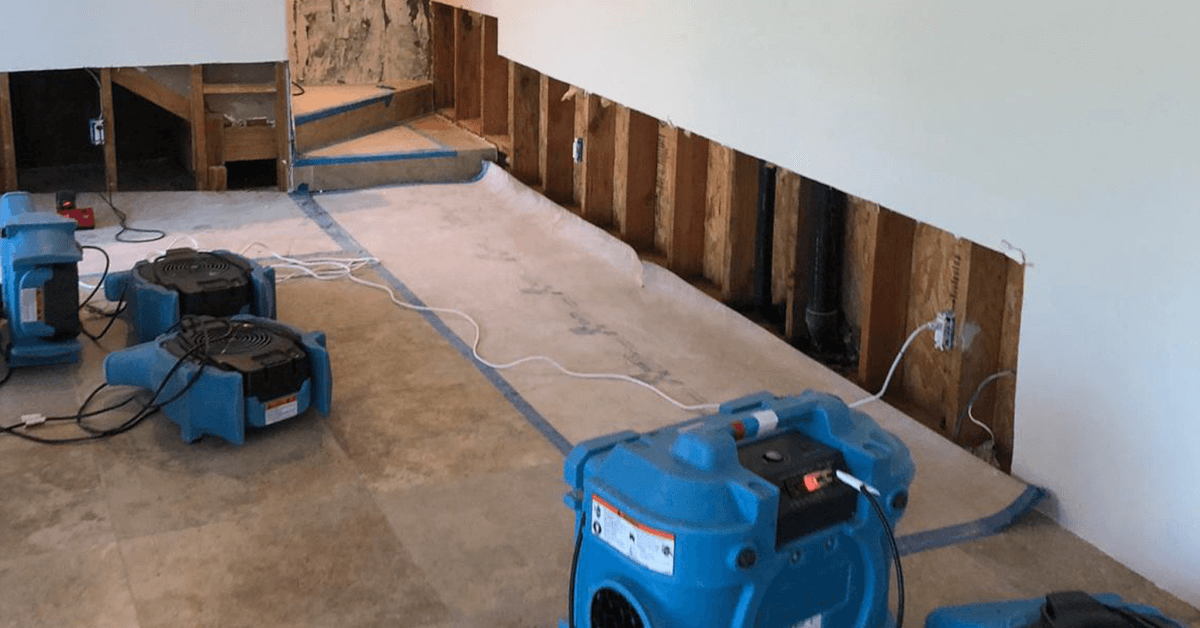
Once inspection is complete, remediation begins by isolating affected areas using containment barriers. This prevents spores from spreading during cleanup.
Contaminated materials such as drywall or insulation may be removed if mold has penetrated deeply. Surfaces that can be restored are cleaned using specialized antimicrobial treatments.
After removal, drying equipment eliminates remaining moisture to prevent regrowth. Restoration repairs follow, replacing materials removed during remediation and returning the home to normal condition.
Companies like Tip Top Water and Fire Damage Restoration regularly assist homeowners throughout North Miami and nearby coastal communities dealing with mold growth after heavy rain events.
How Flood Restoration Connects to Mold Remediation
In many coastal homes, mold problems develop after flooding or water intrusion caused by storms. Flood restoration and mold remediation often occur together.
Water removal, drying, and sanitization reduce the chance of mold growth, but when drying is incomplete, mold can develop later. Proper restoration addresses both water damage and mold risks to ensure homes recover safely.
Acting quickly after heavy rain prevents future remediation needs.
Air Ducts, AC Systems, and Mold Spread
Air conditioning systems play a major role in mold contamination. When moisture accumulates inside ducts or around air handlers, mold spores spread throughout the home whenever the system runs.
During remediation, HVAC systems are inspected to determine whether cleaning or repairs are needed. Proper airflow and insulation improvements reduce condensation problems that lead to mold growth.
Maintaining HVAC systems helps prevent recurring issues.
Preventing Mold Problems After Heavy Rain
Prevention is especially important in coastal communities. Homeowners can reduce future risks by:
Inspecting roofs and windows regularly
Repairing leaks immediately
Maintaining AC systems and drain lines
Improving ventilation in kitchens and bathrooms
Using dehumidifiers during humid periods
Scheduling periodic moisture inspections
Taking these steps helps prevent mold from returning after remediation.
Why Local Experience Matters in Coastal Areas
Mold behavior differs in coastal South Florida compared to inland regions. Professionals familiar with neighborhoods around Biscayne Bay understand how storms, humidity, and construction styles influence moisture problems.
Local experience allows faster identification of trouble spots and solutions that match real coastal conditions rather than generic approaches.
Tip Top Water and Fire Damage Restoration frequently works with property owners across North Miami, Surfside, Aventura, and surrounding communities facing post-storm mold concerns.
A Calm Path Forward After Storm Damage
Heavy rain and storms are part of life in coastal South Florida, but mold problems don’t have to be. Understanding remediation helps homeowners respond quickly and protect their homes from long-term damage.
Professional inspection, safe mold removal, and moisture correction restore indoor environments and prevent recurring issues.
With proper attention after storms and ongoing maintenance, homes near Biscayne Bay can remain safe, comfortable, and mold-free despite challenging coastal conditions.