
Why Quick Action Makes a Difference: Mold Inspection Challenges in Bayfront Homes in North Miami
Bayfront homes in North Miami offer open water views, private docks, and steady coastal breezes. But that same proximity to Biscayne Bay creates one of the most persistent challenges for property owners: moisture.
And where moisture lingers, mold follows.
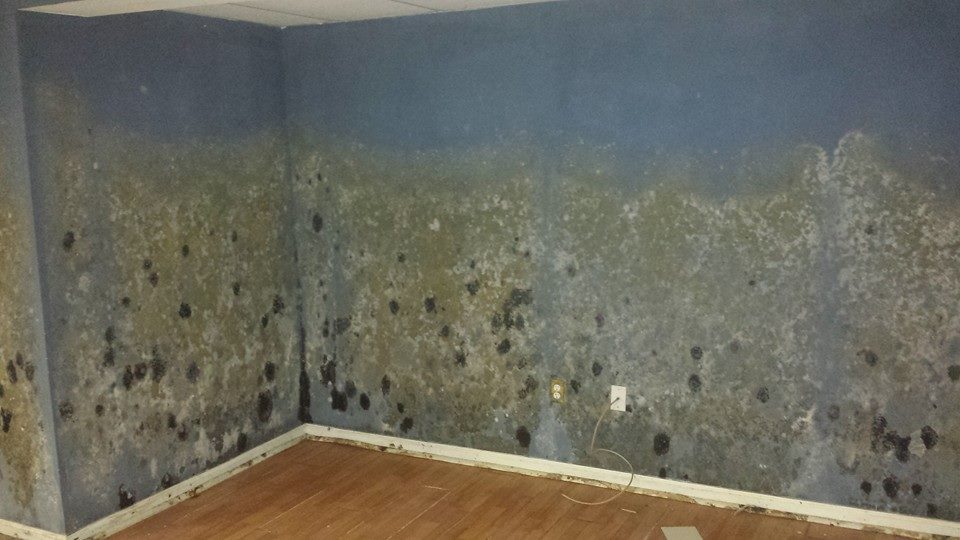
In waterfront properties, mold issues don’t usually begin with obvious black patches spreading across walls. They start quietly — behind drywall, inside attic insulation, beneath flooring, or around HVAC systems. By the time visible signs appear, growth may already be established.
That’s why quick action makes a difference, especially when it comes to mold inspection in bayfront homes in North Miami.
Why Bayfront Homes Face Higher Mold Risk
Waterfront properties deal with environmental conditions that inland homes simply don’t.
Bayfront homes in North Miami experience:
- Elevated year-round humidity
- Wind-driven rain
- Salt air exposure
- High groundwater levels
- Slab foundation moisture migration
- Continuous AC operation
Humidity near Biscayne Bay rarely drops significantly. Even on sunny days, moisture levels remain high enough to support mold growth if indoor conditions are not properly controlled.
Nearby communities like Miami Shores, North Miami Beach, and Biscayne Park face similar conditions — but homes directly on the bay often experience even greater exposure.
The result? Mold can develop faster and spread further if moisture isn’t identified early.
Why Timing Matters with Mold
In South Florida’s climate, mold can begin developing within 48–72 hours after moisture exposure.
In bayfront homes, that timeline can be even shorter because:
- Indoor humidity is already elevated
- Warm temperatures accelerate growth
- Salt air can degrade building materials
Quick inspection after water intrusion, musty odor, or visible staining significantly limits how far mold spreads.
Delays allow growth to expand into:
- Wall cavities
- Ceiling assemblies
- Attic insulation
- Subflooring
- HVAC ductwork
The earlier the inspection, the smaller the remediation scope tends to be.
Common Moisture Sources in Bayfront Homes
Mold inspection in North Miami bayfront properties often begins with identifying moisture sources.
Frequent contributors include:
1. Wind-Driven Rain
Strong coastal storms push rain against windows and sliding doors.
Even small seal failures can allow water to enter wall cavities.
2. Roof and Flashing Wear
Salt exposure accelerates deterioration of metal flashing and fasteners.
Small roof leaks may go unnoticed until mold develops in attic spaces.
3. Slab Foundation Moisture
Many bayfront homes are built on slabs.
After heavy rainfall or rising groundwater levels, moisture may migrate upward into baseboards and drywall.
4. AC Condensation Problems
Air conditioning systems remove significant moisture daily.
Clogged condensate drain lines can introduce steady water leaks into ceilings or mechanical closets.
5. Plumbing Leaks
Slow drips inside walls often remain hidden for months.
In humid coastal climates, even minor plumbing leaks can create ideal mold conditions quickly.
The Unique Inspection Challenges in Bayfront Homes
Mold inspection in waterfront properties is not always straightforward.
Several challenges complicate the process:
Elevated Baseline Humidity
Because ambient humidity is naturally high, interpreting moisture readings requires local experience.
What may be considered elevated inland may be normal for coastal environments.
Salt Air Exposure
Salt exposure can degrade building materials, increasing the likelihood of micro-cracks that allow moisture intrusion.
Inspectors must consider both visible and structural vulnerabilities.
Hidden Airflow Patterns
Bayfront homes often rely heavily on air conditioning.
Tightly sealed interiors may trap humidity if HVAC systems are not balanced properly.
Airflow patterns can distribute moisture unevenly, leading to isolated growth in closets or under stairwells.
Large Glass Surfaces
Many waterfront homes feature large windows and sliding glass doors.
Condensation around frames may indicate hidden moisture inside walls.
Early Warning Signs Property Owners Should Watch For
Quick action begins with recognizing subtle indicators.
Watch for:
- Persistent musty odor
- Slight discoloration along drywall seams
- Peeling paint near baseboards
- Condensation forming regularly on windows
- AC running longer than usual
- Increased indoor humidity
These signs often appear before visible mold growth becomes obvious.
In bayfront homes, odor is frequently the first sign.
What a Professional Mold Inspection Involves
A thorough mold inspection in North Miami bayfront homes typically includes:
- Visual assessment of interior and exterior surfaces
- Moisture meter readings in walls and flooring
- Attic and roof cavity evaluation
- HVAC and duct inspection
- Slab moisture measurement
- Air and surface sampling when necessary
Moisture detection is central to the process.
Tip Top Water and Fire Damage Restoration frequently performs moisture mapping in coastal properties to identify hidden damp areas before mold spreads further.
Inspection is about finding the source — not just identifying growth.
Why Delaying Inspection Makes Things Worse
When inspection is delayed, mold can spread into areas that are:
- Difficult to access
- Structurally significant
- Expensive to repair
What might have required limited drywall removal can escalate into:
- Full insulation replacement
- Extensive structural drying
- Duct cleaning
- Larger-scale remediation
Humidity continues feeding mold while the issue goes unaddressed.
Quick inspection limits damage and disruption.
Attic and Ceiling Challenges
Bayfront homes often experience attic moisture due to:
- Roof leaks
- Inadequate ventilation
- Temperature differences between interior and exterior
Smoke-like staining or musty odor from above may indicate hidden attic growth.
Warm attic temperatures combined with coastal humidity create ideal conditions for rapid mold development.
Early inspection prevents contamination from spreading downward.
HVAC Systems and Mold Spread
Air conditioning systems can circulate spores if contamination is present.
Inspectors evaluate:
- Air handler units
- Duct interiors
- Drain pans
- Condensate lines
If moisture remains inside ducts, spores may travel throughout the home.
Quick inspection prevents full-system contamination.
Slab and Lower-Level Moisture
In homes built close to the water, groundwater levels fluctuate.
Slab moisture may appear along:
- Perimeter walls
- Flooring edges
- Closet corners
Ignoring slab moisture often leads to recurring mold growth along baseboards.
Professional moisture detection confirms whether rising dampness is contributing to mold conditions.
Preventative Strategies for Bayfront Homes
Preventing mold in waterfront properties involves:
- Servicing HVAC systems annually
- Monitoring indoor humidity
- Inspecting window and door seals
- Checking roofs after storms
- Conducting periodic moisture evaluations
- Addressing small leaks immediately
Proactive maintenance reduces the likelihood of extensive remediation later.
In coastal climates, small issues rarely stay small.
Why Local Experience Matters
Mold inspection in bayfront North Miami homes requires understanding:
- Elevated humidity baselines
- Salt air corrosion
- Slab foundation behavior
- Coastal storm patterns
- High water tables
What works in dry inland areas does not fully address these environmental pressures.
Local experience ensures inspection strategies account for South Florida’s specific climate challenges.
Tip Top Water and Fire Damage Restoration approaches mold inspection in waterfront communities with attention to both environmental and structural factors unique to the area.
The Value of Acting Early
Mold problems grow quietly in coastal environments.
By the time visible staining appears, growth may already be well established behind walls or inside insulation.
Quick inspection limits:
- Structural damage
- Indoor air quality issues
- Repair costs
- Tenant disruption in rental properties
In bayfront homes near Biscayne Bay, vigilance is essential.
Moisture is constant. Humidity is predictable. But mold does not have to be inevitable.
Early inspection, accurate moisture detection, and prompt correction of contributing factors protect both the home and its long-term value.