
Long-Term Protection Tips Related to Mold Removal in Bal Harbour
Bal Harbour properties are designed for ocean views, natural light, and luxury finishes. But behind the marble floors and floor-to-ceiling glass, one environmental factor never goes away: moisture.
Living directly along the Atlantic means high humidity, salt-heavy air, wind-driven rain, and elevated groundwater levels. Mold removal in Bal Harbour isn’t rare. What matters most is preventing it from becoming a recurring problem.
If you’re a property owner, condo resident, or landlord in Bal Harbour, mold removal should be viewed as part of a long-term protection strategy — not just a one-time cleanup.
Here’s what that really means.
Why Mold Is a Recurring Risk in Bal Harbour
Bal Harbour faces several unique environmental pressures:
- Constant coastal humidity
- Hurricane season storms
- Wind-driven rain intrusion
- Ocean-facing building exposure
- Sealed high-rise construction
- Continuous air conditioning use
- Salt-heavy air accelerating material breakdown
Even minor moisture events can create conditions where mold develops quietly inside walls, under flooring, or inside HVAC systems.
The goal isn’t just to remove mold. It’s to prevent the moisture conditions that allow it to return.
Long-Term Protection Tip #1: Always Identify the Moisture Source
Mold does not appear without moisture.
In Bal Harbour properties, common sources include:
- Sliding glass door seal failure
- Balcony drainage overflow
- Roof flashing issues
- AC condensate line clogs
- Plumbing supply line leaks
- Slab moisture migration
Proper mold removal begins with moisture detection.
Thermal imaging, moisture meters, and HVAC inspection help define where water is entering or lingering.
If the source isn’t corrected, mold removal becomes temporary.
Long-Term Protection Tip #2: Control Indoor Humidity Year-Round
Bal Harbour’s humidity doesn’t drop much, even outside of storm season.
Maintaining indoor humidity between 45% and 55% is critical.
Excess indoor humidity alone can cause:
- Condensation inside ducts
- Damp drywall corners
- Mold growth behind furniture
- Musty odors in closets
Dehumidification and proper AC maintenance help stabilize indoor air conditions.
Humidity control is one of the most effective long-term prevention tools.
Long-Term Protection Tip #3: Inspect HVAC Systems Regularly
Air conditioning systems run nearly nonstop in Bal Harbour.
Common mold-related HVAC issues include:
- Clogged condensate drain lines
- Rusted drain pans
- Moisture inside duct insulation
- Poor airflow in sealed units
If mold has been removed from living areas but HVAC systems are not inspected, spores may continue circulating.
Air duct cleaning and routine AC servicing are essential components of long-term protection.
Ignoring the HVAC system increases recurrence risk.
Long-Term Protection Tip #4: Schedule Post-Storm Inspections
Hurricane season and heavy summer storms are unavoidable.
Wind-driven rain can enter through:
- Window seals
- Balcony doors
- Exterior wall penetrations
- Roof intersections
Even if you don’t see visible damage, moisture may have entered concealed areas.
Post-storm inspections reduce the chance of slow, hidden mold growth.
In coastal communities like Sunny Isles Beach and Surfside, minor storm intrusion is a common trigger for later mold remediation.
Long-Term Protection Tip #5: Monitor Slab and Subfloor Moisture
Ground-level properties and homes near the water may experience elevated groundwater levels.
Slab moisture migration can cause:
- Damp flooring
- Warped wood
- Tile loosening
- Under-floor mold growth
Surface dryness doesn’t guarantee structural dryness.
Moisture detection tools confirm slab stability before flooring is installed or replaced.
Skipping this step often leads to repeat mold issues.
Long-Term Protection Tip #6: Don’t Ignore Small Leaks
Minor plumbing drips are often overlooked in luxury condos.
But even slow leaks inside cabinets or behind walls can create:
- Wall cavity mold
- Cabinet backing deterioration
- Odor problems
In a humid coastal environment, small leaks escalate faster than most property owners expect.
Immediate repair prevents larger restoration later.
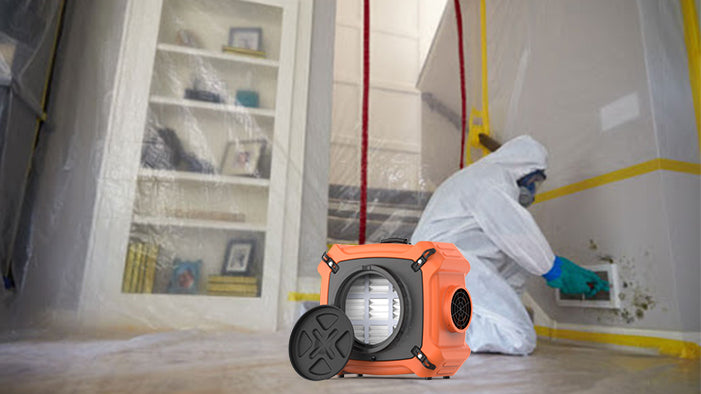
Long-Term Protection Tip #7: Use Proper Containment During Removal
If mold removal becomes necessary, containment is critical.
Without containment:
- Spores spread through ventilation systems
- Adjacent units may be affected
- HVAC systems become contaminated
High-rise buildings in Bal Harbour require careful isolation of affected areas to prevent building-wide issues.
Professional containment protects neighboring properties and indoor air quality.
The Water Damage Connection
Most mold cases begin with water damage.
Common triggers include:
- AC overflow
- Roof leaks
- Plumbing failures
- Balcony intrusion
- Flooding during heavy rain
When water damage is addressed immediately with proper extraction and drying, mold often never develops.
Flood restoration and moisture control go hand in hand with mold prevention.
Salt Air and Material Vulnerability
Salt-heavy ocean air adds another layer of risk.
Salt exposure accelerates:
- Corrosion
- Seal deterioration
- Metal fastener breakdown
- HVAC component wear
Over time, this increases the likelihood of moisture intrusion.
Routine inspections protect building envelopes from salt-related deterioration.
Why DIY Mold Removal Is Risky
Surface cleaning with bleach or consumer sprays does not:
- Eliminate moisture
- Remove contamination inside porous materials
- Contain airborne spores
- Address HVAC involvement
In Bal Harbour’s humid environment, mold frequently returns if moisture is not fully controlled.
Professional remediation focuses on long-term stabilization — not cosmetic improvement.
Why Local Experience Matters
Mold removal in Bal Harbour requires understanding:
- Oceanfront exposure
- High-rise ventilation systems
- Sealed building envelopes
- Slab foundation moisture behavior
- Hurricane-driven rain patterns
Professionals familiar with Bal Harbour, Aventura, and North Miami Beach understand how moisture moves through these properties.
Tip Top Water and Fire Damage Restoration approaches mold removal with local insight, focusing on structural integrity and humidity control rather than short-term surface treatment.
Experience reduces recurrence.
A Practical Long-Term Maintenance Strategy
Mold removal in Bal Harbour should always be paired with preventive action.
For lasting protection:
- Identify and correct moisture sources
- Maintain HVAC systems
- Monitor indoor humidity
- Inspect after storms
- Repair small leaks immediately
- Schedule periodic moisture detection
Coastal living offers incredible benefits — but moisture management is part of responsible ownership.
Handled proactively, mold remains manageable.
In Bal Harbour’s humid coastal environment, prevention is not optional — it’s the foundation of long-term property protection.