
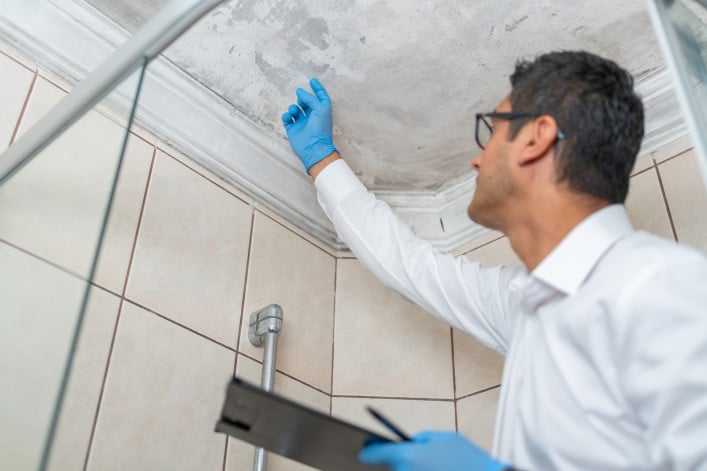
When Homes Require Mold Testing in Sunny Isles Beach
Living in Sunny Isles Beach offers beautiful coastal views and convenient access to oceanfront living, but the same environment that attracts homeowners also creates ongoing moisture challenges. High humidity, coastal storms, and nearly constant air-conditioning use make homes in this area more vulnerable to hidden moisture problems that can eventually lead to mold growth.
At QualityAir Mold Inspection & Testing, we regularly inspect homes and condominiums throughout Sunny Isles Beach where property owners only realize there is a problem after odors or air quality concerns begin affecting indoor comfort. Mold growth often develops quietly, and many homeowners are unsure when professional mold testing becomes necessary.
Understanding when mold testing is required helps homeowners address problems early, prevent damage, and maintain property value in South Florida’s humid coastal environment.
A Common Scenario in Sunny Isles Beach Homes
A typical situation begins after a minor water incident. A storm drives rain through balcony doors, a neighbor’s plumbing leak affects a shared wall, or condensation develops around an air-conditioning system. Cleanup may be completed quickly, and surfaces appear dry.
Several weeks later, however, residents begin noticing a musty odor or rooms that feel uncomfortable despite constant cooling. Some homeowners experience recurring mold spots around vents or ceilings that reappear after cleaning.
During inspections, we frequently discover hidden moisture inside walls or ceilings where mold has begun developing out of sight. Because the original moisture event seemed minor, professional testing was delayed.
This pattern is extremely common in Sunny Isles Beach’s high-rise buildings and coastal homes.
Why Mold Problems Develop Easily in Coastal Properties
Sunny Isles Beach homes face environmental conditions that naturally increase mold risks.
Humidity levels remain high throughout much of the year, even when it is not raining. Storms and strong coastal winds frequently introduce moisture into buildings through windows, balconies, or roofing systems.
Air-conditioning systems run almost continuously, cooling indoor air while also producing condensation. If drain lines clog or ducts sweat, moisture can accumulate around HVAC equipment.
In condominium buildings, leaks from neighboring units or shared plumbing systems may spread moisture between apartments without immediate detection.
Because materials dry slowly in humid climates, moisture often remains long enough for mold growth to begin before homeowners notice signs.
Signs That Mold Testing May Be Needed
Homeowners often wonder whether testing is necessary if mold is not visible. Several warning signs indicate professional evaluation is appropriate.
Persistent musty odors are often the first clue. Even if mold cannot be seen, odors may signal hidden contamination.
Recurring mold spots that return after cleaning usually indicate moisture problems feeding growth behind surfaces.
Discoloration or bubbling paint on ceilings or walls may signal hidden moisture intrusion.
Unexplained humidity or stuffy indoor air may also indicate air quality concerns connected to hidden moisture.
Testing is also commonly requested during real estate transactions when buyers or property managers want confirmation that indoor air conditions are acceptable.
When these concerns appear, mold testing helps determine whether contamination is present and where it may be coming from.
Why Mold Testing Matters for Property Value
Mold concerns often influence property transactions in coastal communities. Buyers frequently request inspections if odors or moisture history exists.
Unresolved mold or moisture concerns can delay closings or require remediation before sales are finalized. Rental properties may also experience tenant complaints or lease issues when air quality concerns arise.
Professional testing provides documentation that helps clarify conditions, protecting both buyers and sellers during property transactions.
Early evaluation prevents small problems from becoming larger financial issues.
Mold Inspection vs. Mold Testing vs. Remediation
Many homeowners confuse these services, but each plays a different role.
A professional mold inspection identifies moisture sources and determines whether mold growth exists or may be hidden. Inspectors examine areas vulnerable to water intrusion and condensation.
Mold testing or indoor air quality testing measures airborne contamination levels and compares indoor conditions to outdoor air.
If contamination is confirmed, licensed remediation contractors remove affected materials and correct moisture problems.
QualityAir Mold Inspection & Testing focuses on inspection and testing so remediation efforts address underlying moisture causes rather than temporary cosmetic fixes.
Testing helps ensure that corrective actions are based on reliable data.
Why DIY Mold Solutions Often Miss the Problem
Homeowners sometimes attempt to solve mold concerns by cleaning surfaces or using air fresheners or portable purifiers. While these efforts may temporarily improve indoor conditions, they rarely correct underlying moisture problems.
Cleaning visible mold does not remove contamination behind walls or inside ceilings. Odors often return because hidden mold remains.
Another mistake is assuming coastal humidity alone causes odors. While humidity contributes, persistent odors usually indicate moisture intrusion or mold growth.
Professional testing identifies whether contamination exists and guides proper next steps.
What Happens During Professional Mold Testing
Professional mold testing follows a structured approach.
Inspectors begin by discussing homeowner concerns, including odors, leaks, or storm exposure history. Understanding building history helps locate possible moisture sources.
A visual inspection evaluates living spaces, HVAC systems, kitchens, bathrooms, attics, and exterior conditions for intrusion or condensation risks.
Air samples are collected from selected indoor areas and compared with outdoor air samples. Surface samples may also be taken where mold is suspected.
Moisture meters and thermal imaging cameras help detect hidden damp materials contributing to air quality concerns.
After laboratory analysis, homeowners receive a detailed report explaining findings and recommended corrective steps.
An Insight Many Sunny Isles Beach Homeowners Don’t Expect
One surprising lesson from many inspections is that small, unnoticed moisture problems often cause greater long-term issues than major flooding events.
Large water events usually prompt immediate professional drying and repairs. However, small leaks or condensation problems may continue unnoticed for months.
By the time odors or air quality concerns appear, mold contamination may already be widespread behind surfaces.
Routine inspections after repairs or storms often prevent larger remediation costs later.
Practical Prevention Steps for Coastal Homes
Preventing mold growth begins with moisture control.
Air-conditioning systems should receive regular maintenance to ensure drain lines remain clear and condensation drains properly. Proper airflow reduces humidity buildup.
Windows, balconies, and exterior seals should be inspected after storms to catch leaks early.
Bathrooms and kitchens should be ventilated during use to remove excess humidity.
Wet materials should be dried quickly after leaks or flooding to prevent mold development.
Periodic professional inspections help confirm hidden moisture problems have not developed.
Why Local Experience Matters in Sunny Isles Beach
Moisture behavior differs in coastal climates compared to inland regions. Inspectors must understand how ocean exposure, storms, and building construction influence indoor moisture conditions.
Our experience inspecting properties across Sunny Isles Beach and surrounding South Florida communities allows us to quickly recognize moisture patterns specific to coastal buildings.
Local expertise results in faster identification of problems and practical solutions suited to regional conditions.
Practical Guidance for Sunny Isles Beach Property Owners
If your home or condominium develops persistent odors, unexplained humidity, or recurring mold concerns, professional mold testing can clarify conditions before problems worsen.
QualityAir Mold Inspection & Testing provides professional mold inspection, mold testing, and indoor air quality evaluation while coordinating remediation when necessary.
Taking action early protects indoor comfort, prevents hidden structural damage, and helps maintain long-term property value in Sunny Isles Beach’s humid coastal environment.
Knowing when mold testing is needed allows homeowners to address small moisture issues before they grow into costly repairs and ongoing air quality concerns.