
Why Quick Action Makes a Difference: Carpet Cleaning After Water Damage Challenges in Bal Harbour
Bal Harbour’s oceanfront lifestyle offers beautiful views and luxury living, but homes and condominiums in this coastal community also face frequent moisture challenges. Heavy rains, plumbing failures, storm surge, and air conditioning leaks can quickly introduce water into living spaces. When flooding or leaks occur, carpets are often the first materials affected.
Many homeowners underestimate how quickly wet carpets become a serious problem. Acting fast after water damage is not just about appearance—it helps prevent mold growth, odor problems, and structural damage beneath flooring. Understanding why quick action matters helps Bal Harbour residents protect their homes and avoid costly long-term repairs.
How Water Damage Impacts Carpets
Carpet fibers absorb water rapidly, and once saturated, moisture spreads into padding and subfloor materials underneath. Even if the carpet surface looks only slightly damp, water often penetrates deeply into layers below.
In Bal Harbour properties, water intrusion commonly results from storm-related flooding, roof leaks, overflowing appliances, or AC condensation failures. Once water reaches carpeting, drying becomes more difficult due to the coastal humidity already present indoors.
If not treated quickly, carpets become breeding grounds for mold and bacteria, creating long-term problems inside the home.
Why Coastal Conditions Make Carpet Drying Harder
Bal Harbour’s coastal environment slows natural drying after water damage. High humidity levels mean moisture remains trapped in building materials longer than in drier climates.
Salt air exposure also contributes to corrosion and deterioration of materials. Combined with warm temperatures, wet carpets can begin developing odors and mold growth within just a day or two.
In condominiums and waterfront homes, moisture may also spread between units or floors, increasing restoration complexity if action is delayed.
These coastal conditions make immediate cleanup essential after water intrusion.
Common Signs Carpet Water Damage Has Become Serious
After a leak or flooding event, homeowners may initially see wet carpets and assume drying will occur naturally. However, warning signs often appear quickly when professional drying is delayed.
Homeowners frequently notice:
Persistent damp or musty smells
Carpet discoloration or staining
Wet padding beneath carpets
Mold spots appearing along baseboards
Warping or soft spots under flooring
Increased indoor humidity
These signs indicate moisture remains trapped beneath the surface, allowing mold and bacteria to grow.
Hidden Damage Beneath Wet Carpets
The biggest risk after water intrusion is what happens beneath the carpet. Padding absorbs large amounts of water, often remaining soaked even after surface drying.
Moisture also spreads into subfloors and structural materials, weakening them over time. Mold growth may develop out of sight, spreading spores through the home’s air.
During restoration inspections in Bal Harbour homes, professionals frequently discover moisture trapped under flooring days or weeks after leaks occurred.
This hidden moisture is why quick professional intervention becomes necessary.
Why DIY Carpet Drying Often Fails
Many homeowners attempt to dry carpets using household fans or air conditioning alone. While this may remove some surface moisture, it rarely eliminates water trapped in padding or subfloor layers.
Wet padding often requires removal because it cannot dry properly once saturated. Leaving damp padding beneath carpets allows mold to develop and odors to persist.
DIY cleaning methods also fail to sanitize contaminated materials, especially when floodwater contains debris or bacteria.
Professional drying equipment and procedures are necessary to fully resolve moisture problems.
Professional Inspection and Moisture Detection
The carpet restoration process begins with a professional inspection to determine how deeply water has penetrated flooring materials.
Moisture meters detect water trapped beneath carpets and inside structural materials. Technicians also evaluate surrounding walls and baseboards to see whether water spread beyond visible areas.
Inspection ensures restoration focuses on eliminating moisture completely rather than only treating the surface.
Carpet Water Extraction and Drying Process
Once inspection is complete, restoration teams begin water extraction using professional equipment designed to remove large amounts of moisture quickly.
After extraction, carpets may be lifted to allow drying of padding and subfloor materials. In many cases, saturated padding must be removed and replaced to prevent future mold growth.
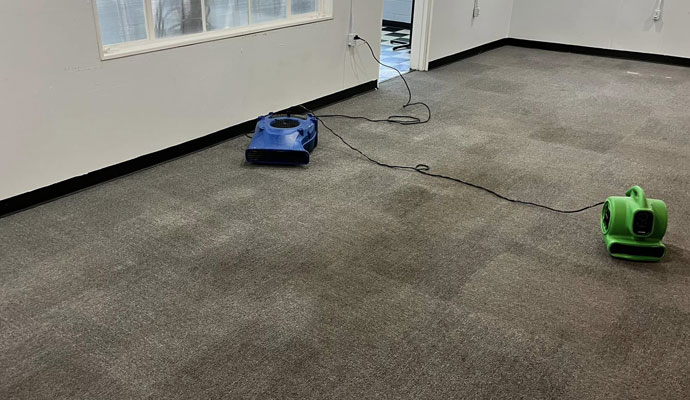
Industrial air movers and dehumidifiers are then installed to remove remaining moisture. Drying continues until moisture levels return to safe ranges.
Companies like Tip Top Water and Fire Damage Restoration regularly help Bal Harbour homeowners navigate this process after flooding or water intrusion events.
Cleaning and Sanitizing Flood-Affected Carpets
Floodwater or leak water often carries contaminants that require proper sanitization. Professional cleaning solutions treat carpets and surrounding materials to eliminate bacteria and prevent mold development.
Sanitization restores safe living conditions and helps eliminate odors that can linger long after water damage occurs.
Once drying and cleaning are complete, carpets may be reinstalled or replaced depending on damage severity.
HVAC Systems and Moisture Spread
Air conditioning systems sometimes contribute to carpet water damage. AC leaks or clogged condensate lines may drip water into flooring areas, especially in closets or near air handlers.
Additionally, wet carpets increase indoor humidity, forcing AC systems to work harder. Moisture inside ducts may also spread odors throughout the home if not addressed.
Inspecting HVAC components after water damage helps prevent recurring problems.
Preventing Future Carpet Water Damage
Preventive maintenance reduces the chance of future restoration needs. Homeowners can minimize risks by:
Inspecting plumbing and appliances regularly
Maintaining air conditioning systems and drain lines
Addressing roof or window leaks immediately
Monitoring humidity levels indoors
Scheduling inspections after storms
Using moisture-resistant flooring in flood-prone areas can also reduce risk.
Early action prevents minor water events from becoming major restoration projects.
Why Local Restoration Experience Matters
Water damage behaves differently in coastal communities compared to inland areas. Professionals familiar with Bal Harbour properties understand local construction styles, flood patterns, and moisture challenges unique to waterfront homes and condominiums.
Local experience allows restoration teams to respond quickly and recommend solutions suited to coastal conditions.
Tip Top Water and Fire Damage Restoration frequently assists property owners across Bal Harbour and nearby communities dealing with carpet water damage and moisture problems.
A Practical Next Step for Property Owners
Water-damaged carpets may seem like a small issue at first, but delays allow moisture to spread, odors to develop, and mold to grow. Acting quickly protects flooring, structural materials, and indoor air quality.
Professional inspection and drying restore homes safely and prevent long-term complications. For Bal Harbour homeowners, quick action after leaks or flooding makes the difference between simple cleanup and extensive restoration.
With prompt attention and preventive maintenance, carpets and homes remain clean, comfortable, and protected despite coastal weather challenges.