
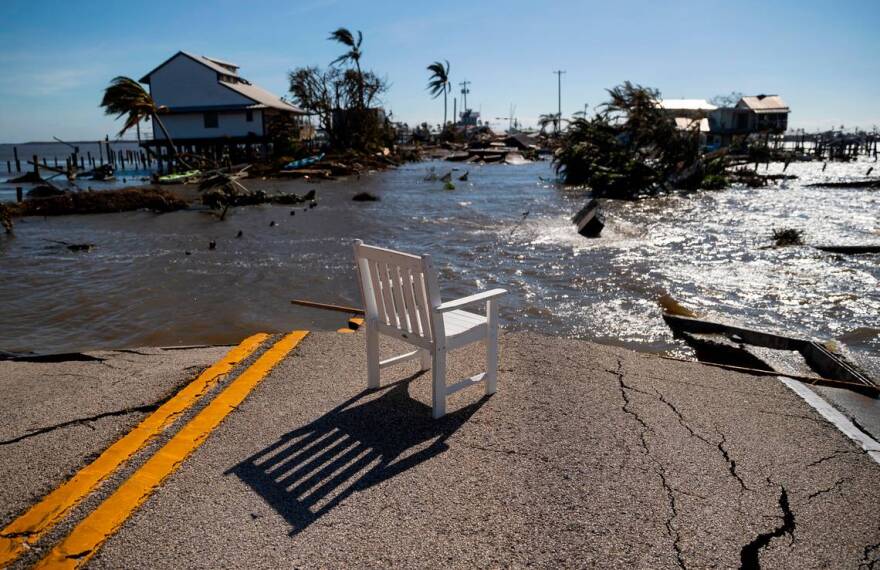
Why Black Mold Removal Becomes Necessary in Miami Shores After Storm Surge
In Miami Shores, storm surge doesn’t have to be dramatic to cause serious problems.
Even a few inches of water entering a home near Biscayne Bay can quietly soak drywall, insulation, baseboards, and flooring. And in South Florida’s humidity, that trapped moisture rarely dries on its own.
That’s why black mold removal often becomes necessary after storm surge events in Miami Shores. It’s not just the water you see — it’s the moisture that remains behind.
For homeowners and property managers in this historic coastal neighborhood, understanding how storm surge leads to mold growth can help you respond faster and prevent long-term structural damage.
Storm Surge in Miami Shores: More Common Than Many Realize
Miami Shores sits close to Biscayne Bay and low-lying areas that are vulnerable during:
- Hurricane season
- King tide events
- Prolonged heavy rain
- Tropical storms
Storm surge can push water into:
- Ground-level living spaces
- Garage entries
- Crawlspaces
- Drainage systems
Unlike a plumbing leak, storm surge water often carries salt and debris. Even shallow intrusion can saturate building materials quickly.
The visible water may recede. The moisture inside walls does not.
How Water Triggers Black Mold Growth
Black mold requires three things:
- Moisture
- Organic material (like drywall or wood)
- Time
After storm surge, drywall and insulation act like sponges.
In Miami Shores’ coastal climate:
- Humidity slows drying
- Concrete block walls retain moisture
- Slab foundations trap dampness
- Warm temperatures accelerate growth
If materials remain damp for more than 24–48 hours, mold can begin developing inside wall cavities.
Often, by the time staining appears, growth is already established behind surfaces.
Saltwater Complicates the Problem
Storm surge water near Biscayne Bay often contains salt.
Saltwater:
- Accelerates corrosion
- Weakens fasteners
- Deteriorates drywall faster
- Leaves residue that attracts moisture
Salt contamination makes drying more complicated.
Even after visible water is removed, salt residue can continue absorbing moisture from humid air.
Without proper cleaning and drying, mold risk remains high.
Slab Foundations and Hidden Moisture
Many Miami Shores homes sit on slab foundations.
When storm surge enters:
- Water soaks into flooring
- Moisture migrates into subflooring
- Dampness becomes trapped beneath materials
Surface dryness does not guarantee slab dryness.
Moisture detection tools are necessary to determine whether the structure has stabilized.
Without confirmation, mold often develops beneath new flooring installations.
The Role of Wind-Driven Water
Storm surge isn’t always just rising water.
Wind-driven rain can push moisture into:
- Roof intersections
- Window seals
- Door frames
- Exterior wall penetrations
Water may travel through framing before appearing as visible interior damage.
Moisture trapped inside walls creates ideal conditions for mold.
Detection and inspection are critical after major storms.
Why Immediate Water Removal Isn’t Enough
Extracting standing water is only the first step.
Proper restoration after storm surge includes:
- Industrial dehumidification
- Air movement
- Moisture mapping
- Removal of saturated materials
- Verification of structural dryness
If drywall and insulation remain damp, mold growth becomes likely.
Black mold removal often becomes necessary when drying is incomplete.
HVAC Systems and Mold Spread
After flooding, moisture often affects HVAC systems.
Water may enter:
- Air handler closets
- Duct insulation
- Return vents
If HVAC systems circulate damp air, spores can spread throughout the home.
Air duct cleaning and system inspection are often necessary components of post-storm remediation.
Ignoring the HVAC system increases recurrence risk.
Why DIY Cleanup Leads to Mold
Homeowners sometimes rely on:
- Household fans
- Surface disinfectants
- Shop vacuums
These methods remove surface water but rarely address hidden saturation.
Without professional moisture detection:
- Insulation may stay wet
- Subfloor moisture may persist
- Wall cavities may remain damp
In Miami Shores’ humid coastal climate, hidden moisture almost always leads to mold if left untreated.
Signs Black Mold May Be Developing
After storm surge, watch for:
- Musty odors
- Peeling paint
- Warped flooring
- Dark staining near baseboards
- Increased indoor humidity
However, visible signs often appear late.
Professional inspection is often the safest approach after any storm-related intrusion.
Preventing Mold After Storm Surge
Prevention focuses on speed and thoroughness.
After storm surge:
- Remove standing water immediately
- Remove saturated drywall and insulation if necessary
- Use industrial drying equipment
- Conduct moisture detection in slabs and walls
- Inspect HVAC systems
- Confirm structural dryness before rebuilding
Routine post-storm inspections reduce long-term risk.
Homes near North Miami and Biscayne Park face similar coastal exposure and benefit from the same preventive approach.
Why Local Experience Matters
Black mold removal after storm surge in Miami Shores requires understanding:
- Concrete block construction
- Slab moisture migration
- Coastal humidity behavior
- Saltwater contamination
- Hurricane-driven water intrusion
Professionals familiar with Miami Shores and surrounding bayfront communities know how moisture spreads in these specific structures.
Tip Top Water and Fire Damage Restoration approaches storm-related mold cases with local insight, focusing on structural stabilization and long-term moisture control.
Experience reduces recurrence.
A Practical Perspective for Property Owners
Storm surge doesn’t have to be dramatic to cause mold.
Even minor flooding can create hidden dampness in walls and floors.
If your Miami Shores property experiences storm surge:
- Act quickly
- Dry thoroughly
- Verify moisture levels
- Inspect HVAC systems
- Address contamination properly
Black mold removal becomes necessary when moisture is left behind.
Control the moisture early, and you significantly reduce the likelihood of larger remediation projects later.
In South Florida’s coastal climate, thorough drying is protection.