
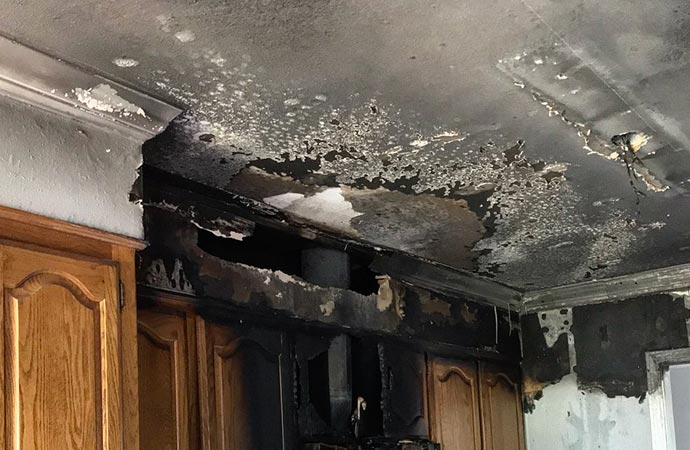
When Homes Require Smoke Damage Cleanup in Bayfront Homes in North Miami
Living in a bayfront home in North Miami offers waterfront views, open floor plans, and steady ocean breezes. But when a fire occurs — even a small kitchen fire or electrical incident — smoke damage can spread far beyond the visible burn area.
In coastal properties near Biscayne Bay, smoke damage cleanup isn’t just about wiping soot off the walls. It’s about protecting structural materials, HVAC systems, and indoor air quality in an environment already exposed to humidity and salt-heavy air.
For homeowners and property managers in North Miami’s bayfront neighborhoods, understanding when smoke damage cleanup becomes necessary — and what proper restoration involves — can prevent long-term deterioration.
Smoke Damage Spreads Faster Than Fire
One of the biggest misconceptions about fire damage is assuming cleanup is only needed where flames were visible.
In reality, smoke:
- Travels through air vents
- Moves into wall cavities
- Settles inside insulation
- Adheres to ceilings and upper walls
- Enters duct systems
- Bonds with porous materials
In open-concept bayfront homes common in North Miami, smoke can travel throughout the entire property within minutes.
Even if the fire is contained quickly, smoke residue may affect multiple rooms.
Why Bayfront Homes Face Unique Smoke Cleanup Challenges
Homes near Biscayne Bay operate under specific environmental conditions:
- High year-round humidity
- Salt-heavy coastal air
- Open floor plans with large glass areas
- Continuous AC operation
- Concrete block construction
- Slab foundations
Humidity causes smoke particles to cling more aggressively to surfaces. Salt in the air can combine with soot, creating corrosive residues.
Without proper cleanup, smoke damage may lead to:
- Lingering odors
- Surface staining
- Corrosion of metal fixtures
- HVAC contamination
- Structural deterioration
Coastal climate conditions make thorough cleanup essential.
Common Causes of Smoke Damage in North Miami Bayfront Homes
Smoke damage does not always result from major structural fires.
Common scenarios include:
1. Kitchen Fires
Grease fires are one of the most frequent causes. Even brief flare-ups can release heavy smoke that spreads throughout the home.
2. Electrical Fires
Older wiring or overloaded circuits in bayfront properties may spark inside walls, creating smoke infiltration without extensive flame damage.
3. Appliance Malfunctions
Dryers, HVAC components, or electrical panels can overheat and produce smoke that circulates through ventilation systems.
4. Outdoor Fires
Smoke from nearby fires or neighboring properties may enter through windows and ventilation systems, especially during high winds.
Regardless of the cause, smoke cleanup becomes necessary when residue spreads beyond the ignition point.
How Smoke Affects Building Materials
Smoke particles are microscopic and acidic.
They can embed into:
- Drywall
- Wood framing
- Insulation
- Carpet fibers
- Upholstery
- Cabinet interiors
- Air ducts
If not removed properly, soot residue continues to:
- Stain surfaces
- Produce odor
- Corrode metal
- Discolor paint
In North Miami’s humidity, odor molecules can become reactivated during damp weather.
Without thorough cleanup, smells may return even months later.
HVAC Systems: The Overlooked Spread Point
Air conditioning systems run nearly year-round in North Miami.
During a fire event, smoke often enters:
- Return vents
- Air handler closets
- Duct insulation
- Blower assemblies
Once soot enters the HVAC system, it can circulate throughout the home.
Air duct cleaning is often a necessary component of smoke damage cleanup.
Failing to address the HVAC system may result in persistent odor and residue distribution.
Why Surface Cleaning Isn’t Enough
After minor fires, homeowners sometimes attempt:
- Wiping walls
- Repainting surfaces
- Using air fresheners
These measures may improve appearance temporarily but do not remove embedded soot.
Proper smoke cleanup involves:
- Soot removal from all surfaces
- Cleaning of HVAC systems
- Odor neutralization
- Inspection of insulation
- Dehumidification if water was used during fire suppression
Painting over smoke without proper cleaning seals odor into walls.
In humid coastal environments, that odor can resurface repeatedly.
The Role of Water in Smoke Damage
Even small fires often require water for extinguishing.
Water used during suppression may soak:
- Flooring
- Baseboards
- Subflooring
- Wall cavities
If water damage is not addressed simultaneously, mold growth may follow.
In bayfront homes near Biscayne Bay, humidity already slows drying.
Proper restoration must address both smoke and moisture.
Corrosion and Coastal Air
Salt-heavy air accelerates corrosion.
When combined with acidic soot residue, corrosion can affect:
- Metal fixtures
- Electrical wiring
- Appliances
- Door hardware
Quick smoke damage cleanup reduces long-term corrosion risk.
Leaving soot residue untreated increases material breakdown over time.
The Importance of Professional Assessment
Smoke damage isn’t always obvious.
Even if walls appear lightly affected, professionals evaluate:
- Ceiling cavities
- Attic insulation
- HVAC duct systems
- Wall interiors
- Electrical panels
Thermal imaging and moisture detection tools may be used if water suppression occurred.
Accurate assessment defines the true scope of damage.
The Smoke Cleanup Process
Proper smoke damage cleanup typically includes:
- Detailed inspection
- Containment of affected areas
- Soot removal using specialized cleaning methods
- HVAC inspection and duct cleaning if necessary
- Odor neutralization
- Dehumidification when water was used
- Verification that indoor air quality has stabilized
Each step protects long-term structural integrity.
Skipping steps increases recurrence risk.
When Cleanup Should Not Be Delayed
Smoke damage cleanup should begin immediately if you notice:
- Persistent smoky odors
- Visible soot on walls or ceilings
- HVAC performance changes
- Corrosion on metal surfaces
- Lingering discoloration
In humid coastal homes, smoke residue can bond more aggressively the longer it remains.
Prompt action reduces restoration complexity.
Preventing Long-Term Issues After Smoke Damage
After cleanup, homeowners can reduce future risk by:
- Inspecting electrical systems regularly
- Cleaning dryer vents
- Maintaining HVAC systems
- Monitoring indoor humidity
- Scheduling post-incident inspections
Homes in nearby areas like Miami Shores, Biscayne Park, and Aventura face similar coastal exposure and benefit from the same preventive approach.
Routine maintenance limits both fire and smoke risks.
Why Local Experience Matters
Smoke damage cleanup in bayfront North Miami homes requires understanding:
- Coastal humidity behavior
- Salt air corrosion
- Concrete block construction
- Slab foundation moisture patterns
- Hurricane-season power surges
Professionals familiar with North Miami and surrounding waterfront communities understand how smoke and moisture behave in these structures.
Tip Top Water and Fire Damage Restoration approaches smoke cleanup with local knowledge, focusing on structural stabilization and thorough odor removal rather than surface-level cleaning.
Experience reduces the likelihood of recurring odor or corrosion issues.
A Practical Perspective for Bayfront Homeowners
Smoke damage cleanup becomes necessary in North Miami bayfront homes not only after major fires — but after any event where smoke spreads beyond the ignition point.
Even small incidents can leave residue inside walls and duct systems.
If your home experiences a fire event:
- Avoid surface-only cleaning
- Inspect HVAC systems
- Address water suppression damage
- Remove soot thoroughly
- Confirm dryness and odor neutralization
In coastal South Florida, humidity and salt exposure amplify the effects of smoke.
Handled properly and promptly, smoke damage can be resolved without long-term structural impact.
The key is understanding that smoke doesn’t stay where the flames were.
It travels. It settles. It lingers.
And in North Miami’s coastal climate, thorough cleanup is the difference between temporary damage and lasting problems.