
Water Removal in Aventura: A Realistic Guide for Property Owners
Aventura is known for its waterfront living, modern condominiums, and attractive residential communities, but property owners here also face one persistent challenge: water intrusion. Between heavy seasonal storms, plumbing failures, AC condensation issues, and coastal humidity, water damage incidents are common in both homes and high-rise buildings.
When water enters a property, fast and proper removal becomes critical. Many owners assume that once visible water disappears, the problem is solved. In reality, moisture often remains trapped inside walls, floors, and structural materials, leading to mold growth and long-term damage.
Understanding how professional water removal works—and why quick action matters—helps Aventura property owners protect their investments and avoid future restoration costs.
Understanding How Water Damage Begins
Water damage can begin in many ways. In Aventura properties, common causes include broken pipes, appliance leaks, overflowing sinks or bathtubs, roof leaks after storms, or flooding during heavy rain events.
Air conditioning systems also play a role. Condensation lines sometimes clog, allowing water to overflow into walls or ceilings. Because AC systems run year-round in South Florida, even small drainage problems can cause ongoing moisture damage.
Water spreads quickly through porous materials. Carpet, drywall, wood framing, and insulation absorb moisture, allowing damage to extend well beyond the visible wet area. By the time property owners notice stains or odors, water has often traveled further than expected.
Why Water Damage Escalates Quickly in Aventura
Aventura’s coastal environment creates additional challenges after water intrusion. High humidity slows natural drying, allowing moisture to remain trapped longer.
Warm temperatures accelerate mold growth, which can begin within 24 to 48 hours. In condominiums, water can also travel between floors, impacting neighboring units and increasing restoration complexity.
Salt air exposure can also worsen corrosion on metal components once water damage occurs, particularly around electrical fixtures and appliances.
Because of these factors, professional water removal must begin quickly to prevent larger problems.
Signs That Immediate Water Removal Is Needed
Water damage is not always obvious. Some warning signs appear gradually, prompting homeowners to investigate further. Common indicators include:
Damp or musty smells indoors
Discoloration on ceilings or walls
Warped or buckling flooring
Wet carpets or rugs
Peeling paint or bubbling drywall
Unexpected humidity indoors
Sometimes, water damage becomes visible only after materials begin deteriorating. Acting quickly when signs appear reduces the chance of structural damage or mold contamination.
Hidden Moisture Problems Homeowners Often Miss
One of the biggest challenges after water intrusion is hidden moisture. Even when surfaces seem dry, water may remain trapped beneath flooring or inside walls.
Professional inspections in Aventura properties frequently uncover:
Wet insulation behind drywall
Moisture beneath tile or laminate flooring
Damp cabinetry after plumbing leaks
Water trapped inside wall cavities
Moisture inside HVAC ducts or ceilings
Without professional drying, these hidden areas become ideal environments for mold growth and material deterioration.
Why DIY Water Removal Often Falls Short
Some property owners try to handle water damage themselves using household fans or wet vacuums. While this may remove surface water, it rarely eliminates moisture embedded within materials.
Household equipment lacks the power needed to dry structural materials completely. Wet padding beneath carpets often remains damp, and moisture trapped behind walls goes unnoticed.
DIY efforts also miss sanitization steps necessary after contaminated water intrusion. Without professional drying and cleaning, odors and mold problems frequently develop later.
Professional water removal addresses both visible and hidden moisture.
Professional Inspection and Moisture Detection
Water removal begins with a detailed inspection. Restoration professionals evaluate how far moisture has spread and identify materials affected.
Moisture meters detect dampness beneath floors and inside walls, while thermal imaging tools reveal hidden wet areas. HVAC systems and ventilation pathways are also checked to determine whether moisture has entered airflow systems.
Accurate inspection ensures restoration focuses on all affected areas rather than only visible damage.
The Water Removal Process Explained
Once inspection is complete, restoration teams begin extracting water using commercial-grade pumps and extraction equipment. Removing standing water quickly reduces material damage and limits mold risk.
After extraction, saturated materials such as carpet padding or damaged drywall may need removal if drying is not possible. This prevents lingering moisture from causing future problems.
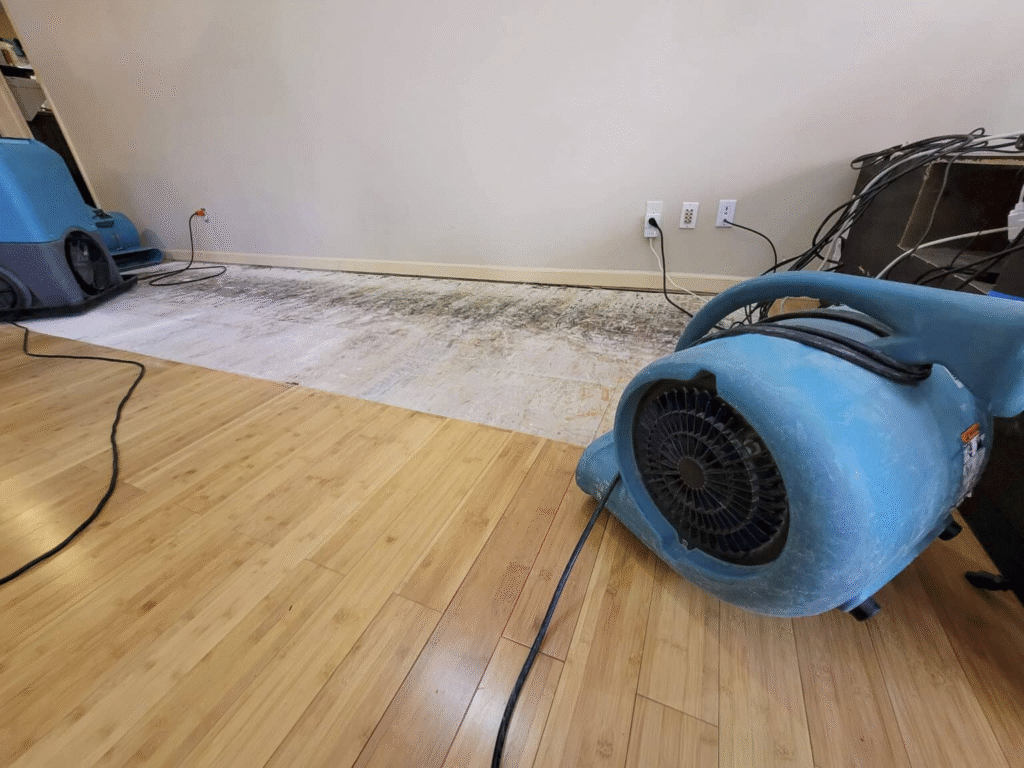
Drying equipment, including industrial air movers and dehumidifiers, is then installed to eliminate moisture trapped in building materials. Drying may take several days depending on severity.
Moisture levels are monitored until safe conditions are restored.
Companies like Tip Top Water and Fire Damage Restoration regularly assist Aventura property owners throughout this process, ensuring properties recover fully after water intrusion events.
Cleaning and Sanitizing After Water Damage
Water entering a property often carries contaminants, especially during flooding or plumbing backups. Professional cleaning and sanitization eliminate bacteria and help prevent mold growth.
Specialized antimicrobial treatments clean affected surfaces and reduce odor development. Sanitization restores safe indoor conditions and prepares the property for repair work.
Once cleaning is complete, repairs begin to restore damaged areas.
HVAC Systems and Water Damage
Air conditioning systems frequently become involved in water damage events. Water leaking near air handlers or ducts can spread moisture throughout the property.
Wet duct insulation may produce odors or distribute contaminants if not properly addressed. HVAC systems are therefore inspected and serviced during restoration to ensure safe operation after cleanup.
Maintaining HVAC systems reduces future water risks.
Preventing Future Water Damage Problems
While not all water events can be prevented, proactive maintenance greatly reduces risk. Property owners in Aventura can protect their homes by:
Inspecting plumbing and appliances regularly
Maintaining air conditioning systems and drain lines
Repairing leaks immediately
Monitoring humidity levels indoors
Inspecting roofs and windows after storms
Routine inspections help identify small problems before they lead to major restoration projects.
Why Local Experience Matters in Water Removal
Water damage behaves differently in coastal environments compared to inland regions. Professionals familiar with Aventura properties understand local building styles, drainage patterns, and humidity challenges unique to coastal living.
Local experience allows restoration teams to respond quickly and recommend solutions suited to South Florida conditions.
Tip Top Water and Fire Damage Restoration frequently works with property owners across Aventura and nearby communities facing water intrusion challenges related to storms, plumbing issues, and coastal weather.
A Practical Path Forward for Property Owners
Water intrusion can feel overwhelming, but quick and professional water removal prevents long-term complications. Acting early protects structural materials, indoor air quality, and property value.
For Aventura homeowners and property managers, understanding the water removal process makes recovery more manageable. With proper inspection, drying, and preventive maintenance, homes remain safe and comfortable despite coastal moisture challenges.
Early action ensures water damage remains a temporary inconvenience rather than an ongoing problem.