
A Property Owner’s Guide to Carpet Cleaning After Water Damage in Biscayne Park
In Biscayne Park, water damage rarely announces itself with dramatic flooding.
More often, it starts with a slow plumbing leak, heavy rain pushing moisture indoors, or an AC condensate issue that goes unnoticed for days. By the time carpet feels damp underfoot, water has usually already spread into padding and possibly the subfloor.
In a humid, coastal-adjacent community like Biscayne Park — just west of Biscayne Bay and surrounded by North Miami and Miami Shores — carpet cleaning after water damage isn’t just about removing stains. It’s about preventing mold growth, odor problems, and long-term structural issues.
This guide walks property owners through what really matters when carpets get wet in South Florida.
Why Carpet Is Especially Vulnerable in Coastal Homes
Carpet absorbs quickly.
In Biscayne Park’s humid environment, that absorption becomes a bigger issue because drying happens more slowly. Even when surface fibers feel dry, moisture can remain trapped in:
- Carpet padding
- Tack strips
- Concrete slabs
- Wooden subfloors
- Baseboards
Unlike tile or vinyl, carpet holds water within layers. In slab-on-grade homes common throughout Biscayne Park and North Miami, moisture can also migrate upward from concrete after heavy rain.
Without structured drying, that hidden dampness leads to odor and mold.
The First 24–48 Hours Matter Most
After water intrusion, timing determines outcome.
Within the first two days:
- Carpet fibers begin to weaken
- Padding becomes saturated
- Mold risk increases
- Odor starts developing
In South Florida’s warm climate, mold can begin forming in as little as 48–72 hours if moisture remains.
Quick extraction dramatically reduces long-term damage.
Tip Top Water and Fire Damage Restoration often sees cases in Biscayne Park where early intervention prevented full carpet replacement.
Waiting usually makes things worse.
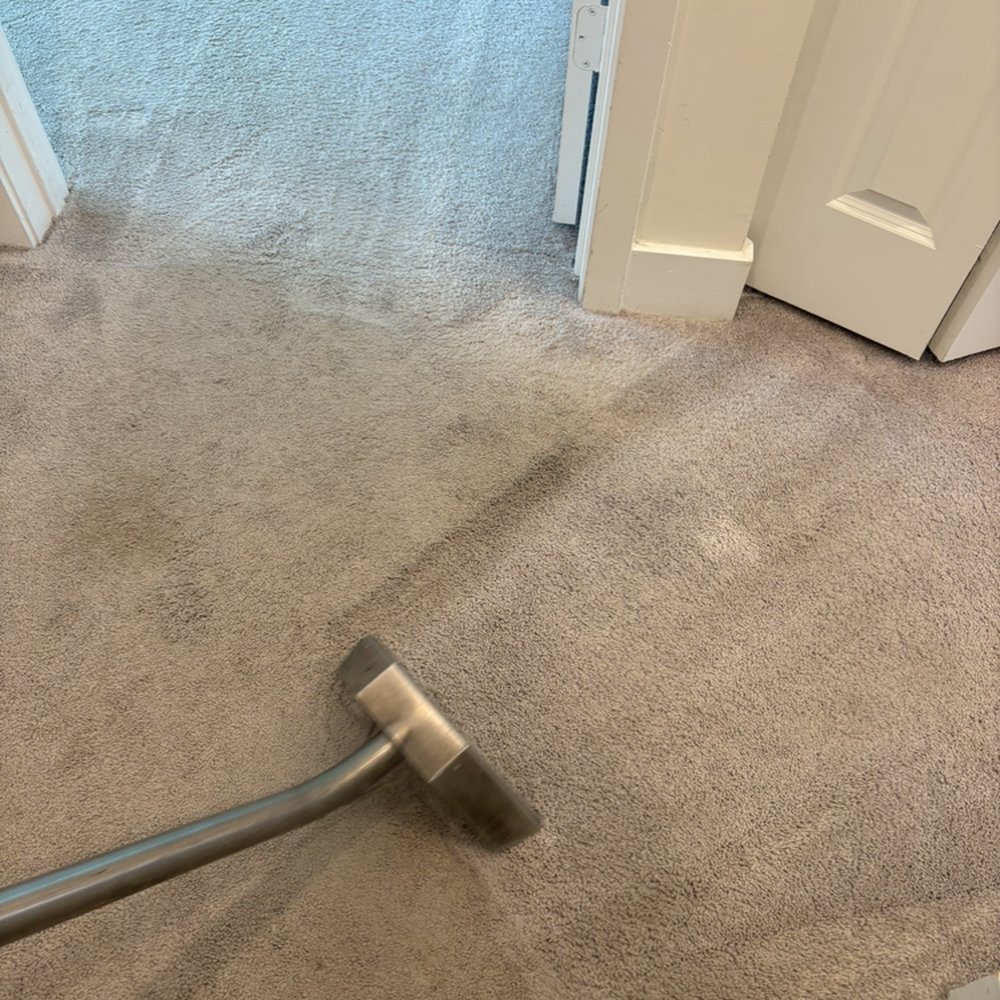
Step 1: Water Extraction — Not Just Surface Drying
Mopping or using household fans is not enough.
Professional carpet water extraction involves high-powered equipment that pulls moisture from:
- Carpet fibers
- Underlying padding
- Subfloor surfaces
The goal is to remove as much water as possible before structural drying begins.
In homes near Miami Shores and North Miami Beach, where humidity is consistently elevated, surface drying alone allows moisture to remain trapped beneath the carpet.
Extraction is the foundation of proper cleaning.
Step 2: Determining Whether Padding Can Be Saved
Padding acts like a sponge.
In many water damage scenarios — especially involving:
- Plumbing failures
- Appliance leaks
- Flooding from storms
padding must be removed.
Why?
Because saturated padding:
- Retains moisture
- Compresses and loses structure
- Traps odor
- Encourages mold growth
Replacing padding is often the safest long-term solution in Biscayne Park’s climate.
Attempting to salvage heavily soaked padding usually leads to recurring issues.
Step 3: Moisture Detection in Subfloors and Slabs
After carpet is lifted or extracted, moisture levels in the subfloor must be tested.
In slab homes common in Biscayne Park:
- Concrete can hold moisture long after visible water is gone
- Damp slabs can re-wet carpet from below
- Moisture may migrate laterally before surfacing
Professional moisture meters confirm when the slab has returned to safe levels.
Without this step, odor may return weeks later — especially during humid summer months.
Step 4: Structural Drying
Drying must be controlled and measured.
This involves:
- Commercial air movers
- High-capacity dehumidifiers
- Proper airflow placement
- Ongoing moisture monitoring
Opening windows in Biscayne Park often introduces more humidity rather than helping.
Outdoor air near Biscayne Bay frequently carries higher moisture levels than indoor air.
Drying continues until readings confirm stability — not just until carpet feels dry.
Dealing With Odor After Water Damage
Musty odor is common after wet carpet events.
Odor develops because:
- Bacteria grow in damp padding
- Organic material in carpet fibers decomposes
- Humidity reactivates residual moisture
If odor persists after drying, it often indicates:
- Incomplete extraction
- Remaining damp padding
- Hidden slab moisture
Ignoring odor rarely solves the problem in coastal climates.
Early evaluation prevents larger mold remediation later.
Mold Risk in Carpeted Homes
Carpeted areas are particularly vulnerable to mold because they provide:
- Organic material
- Moisture retention
- Limited airflow beneath padding
In Biscayne Park and nearby Surfside, high humidity accelerates mold growth beneath flooring.
Signs of hidden mold include:
- Persistent musty smell
- Discoloration along baseboards
- Carpet separating from edges
- Elevated indoor humidity
If mold develops beneath carpet, removal of affected materials is often necessary.
HVAC Systems and Carpet Drying
Air conditioning plays a major role in moisture control.
After water damage:
- Condensate drain lines should be inspected
- Air handlers evaluated for overflow
- Filters replaced
- Ducts checked if humidity remains high
Inconsistent airflow can slow drying.
In high-humidity environments, HVAC performance directly affects carpet recovery.
Tip Top Water and Fire Damage Restoration frequently evaluates HVAC systems in conjunction with carpet drying in Biscayne Park properties.
Long-Term Protection Strategies
Cleaning carpet after water damage is only part of the solution.
Preventative maintenance reduces repeat issues.
1. Inspect Plumbing Annually
Check supply lines, especially behind washing machines and sinks.
2. Maintain AC Drain Lines
Flush condensate lines regularly to prevent overflow.
3. Monitor Indoor Humidity
Keep levels below 60 percent.
4. Improve Exterior Drainage
Ensure yard grading directs water away from the home.
5. Address Minor Stains Immediately
Small ceiling stains or damp carpet edges often indicate early leaks.
Responding quickly prevents widespread damage.
High-Rise vs. Single-Family Considerations
While Biscayne Park primarily consists of single-family homes, nearby North Miami Beach and Aventura include many high-rise condos.
In condos:
- Water may come from upper units
- Ceiling cavities may need inspection
- Shared plumbing increases complexity
In slab homes:
- Groundwater migration is more common
- Yard drainage plays a bigger role
Understanding property type helps guide drying and prevention strategies.
Why DIY Carpet Cleaning After Flooding Often Fails
Rental-grade carpet cleaners and fans may improve surface appearance.
But they rarely:
- Remove moisture from padding
- Dry slab foundations
- Measure internal moisture levels
- Prevent mold growth
In humid coastal areas, incomplete drying leads to recurring odor and repeated service calls.
Professional extraction and moisture verification provide measurable protection.
Why Local Coastal Experience Matters
Carpet cleaning after water damage in Biscayne Park requires understanding:
- Elevated humidity patterns
- Slab moisture behavior
- Storm-related intrusion
- AC condensation issues
- Salt air exposure
Restoration methods used in dry inland climates may not account for these factors.
Local experience ensures that moisture sources are corrected — not just carpet cleaned.
Protecting Your Investment
Carpet replacement is expensive.
But replacing carpet because of preventable mold or recurring odor is even more frustrating.
After water damage in Biscayne Park, long-term protection depends on:
- Immediate extraction
- Proper padding decisions
- Moisture detection
- Structured drying
- HVAC maintenance
- Ongoing humidity control
Coastal living near Biscayne Bay comes with environmental challenges.
But with early action and proper cleaning methods, carpeted homes can remain dry, stable, and free from recurring moisture problems.