
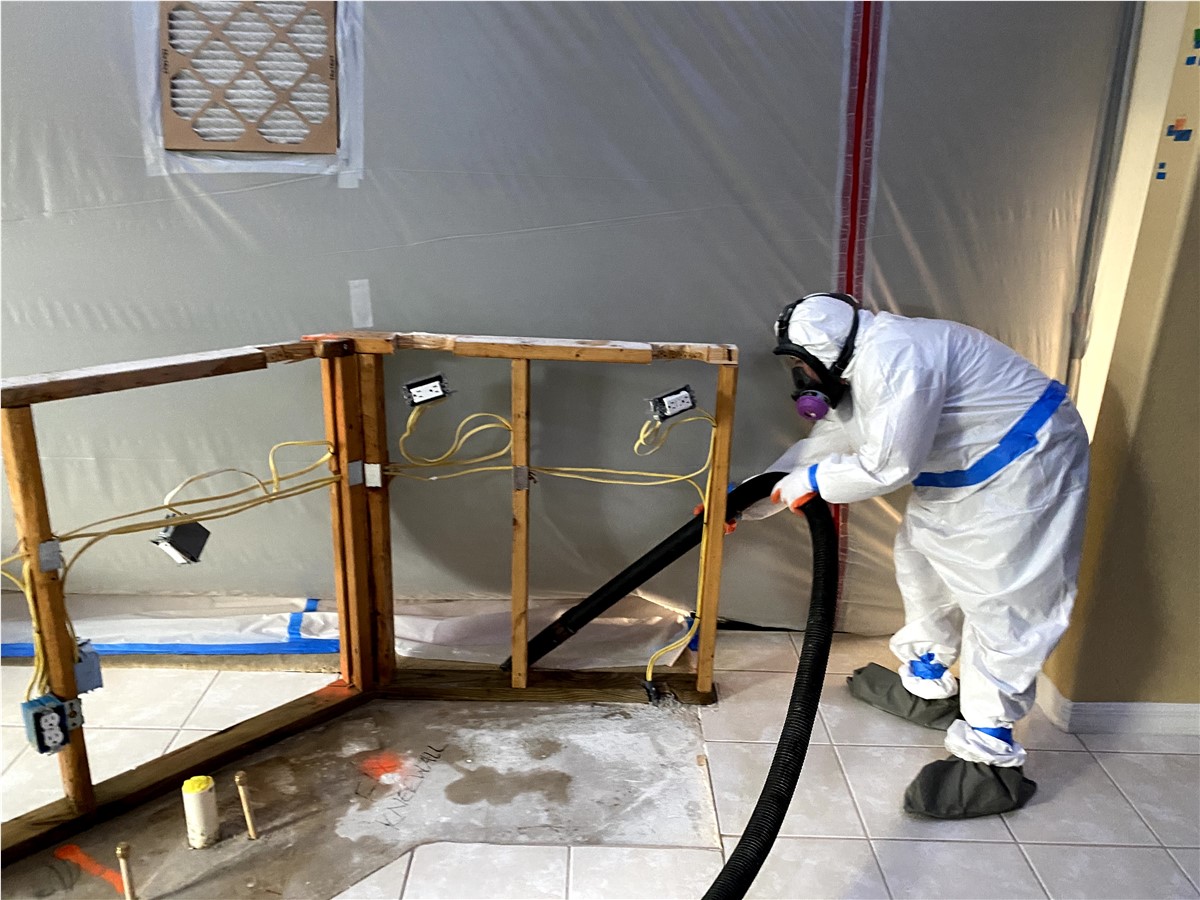
Smoke Damage Cleanup in Biscayne Park During Humid Summer Months: What to Watch For
Smoke damage inside a home can be overwhelming for any property owner, and the challenge becomes even greater in Biscayne Park during the humid summer months. While most homeowners focus first on visible fire damage or immediate repairs, smoke and moisture together can quietly create ongoing problems long after the incident itself.
At QualityAir Mold Inspection & Testing, many property inspections following fire or smoke events reveal lingering moisture and contamination issues that homeowners didn’t realize were still present. In South Florida’s humid climate, smoke damage cleanup requires extra care because humidity slows drying and increases the risk of odor persistence and mold growth.
Understanding what to watch for during smoke damage cleanup helps Biscayne Park homeowners protect indoor air quality, avoid secondary damage, and restore their homes properly.
A Common Situation After Smoke Damage in Biscayne Park Homes
A typical case begins after a small kitchen fire, electrical incident, or neighboring property fire sends smoke throughout the home. Even when flames are quickly extinguished, smoke spreads through vents, walls, and ceilings.
Cleanup crews remove debris and clean visible soot, and homeowners assume the problem is resolved. However, weeks later, lingering odors return. Some areas begin to feel damp or uncomfortable, especially during humid summer months.
During inspections, we often discover smoke residue trapped inside porous materials combined with moisture buildup, sometimes leading to mold growth behind walls or inside HVAC systems.
Because summer humidity remains high, affected materials never fully dry, allowing problems to persist unseen.
Why Summer Humidity Makes Smoke Damage Worse
Smoke damage behaves differently in humid environments compared to dry climates. Biscayne Park’s summer conditions create unique challenges.
High humidity prevents smoke-damaged materials from drying properly after firefighting efforts or cleanup. Water used to extinguish fires often soaks into walls, flooring, and insulation.
Moisture becomes trapped inside materials, and when combined with soot and smoke residue, odors persist longer. Damp materials also create conditions favorable for mold growth if drying is incomplete.
Even homes with minor smoke exposure may develop moisture problems if cleanup and drying are rushed.
Humidity slows recovery and increases the chance of secondary damage.
How Smoke Damage Affects Homes Beyond Visible Areas
Smoke does not stay in one room. It travels through air ducts, wall cavities, and attic spaces, often reaching areas homeowners never suspect.
Common post-smoke damage issues include:
- Persistent smoky or musty odors
- Yellow or dark staining on walls and ceilings
- Soot buildup inside HVAC systems
- Damaged insulation absorbing odors
- Increased indoor humidity after water exposure
- Mold development in damp materials
Air-conditioning systems may circulate odors throughout the home if smoke particles remain inside ductwork or air handlers.
Without proper restoration, smoke damage can continue affecting indoor comfort long after repairs appear complete.
Why Smoke Damage Cleanup Requires More Than Cleaning
One common mistake homeowners make is assuming smoke cleanup involves simply washing walls or repainting surfaces.
Professional smoke damage cleanup must include:
- Removal of smoke residue from surfaces
- Cleaning or replacement of affected materials
- Drying water-damaged building components
- Eliminating odors trapped in porous materials
- Inspecting hidden areas for moisture damage
If materials remain damp or contaminated, odors often return and mold problems may develop.
Cleanup must address both smoke contamination and moisture intrusion.
Mold Risks After Smoke and Water Damage
Many homeowners do not realize mold problems frequently develop after smoke damage cleanup, especially during humid summers.
Water used to extinguish fires or control smoke often saturates walls, ceilings, and flooring. If drying is incomplete, moisture remains trapped behind surfaces.
In Biscayne Park’s humid conditions, mold can begin developing within days if materials stay damp. Odors from mold may mix with smoke odors, making problems harder to identify.
Professional inspections help confirm whether moisture remains after restoration.
Smoke Damage Cleanup vs. Mold Inspection
Smoke damage restoration companies focus on removing soot and repairing visible damage. However, inspection services help ensure moisture problems have not been overlooked.
A professional mold inspection identifies hidden moisture and determines whether mold growth has begun following fire or smoke incidents.
Indoor air quality testing may also be recommended if occupants experience persistent odors or air quality concerns.
QualityAir Mold Inspection & Testing focuses on inspection and testing so corrective actions address hidden moisture conditions rather than only surface cleanup.
Inspection confirms restoration efforts were effective.
Why DIY Smoke Cleanup Often Leads to Ongoing Problems
Some homeowners attempt to handle smoke cleanup themselves by repainting walls or using household cleaning products. While this may improve appearance temporarily, smoke particles often remain embedded in materials.
Painting over smoke stains traps odors beneath surfaces, causing smells to return later.
Another common mistake is neglecting HVAC cleaning. Smoke residue inside ducts continues circulating odors throughout the home.
Improper drying also allows mold to develop later.
Professional cleanup and inspection help prevent recurring issues.
What Inspectors Look for After Smoke Damage
A professional post-smoke inspection follows a structured process.
Inspectors begin by discussing the incident timeline, including how much water was used and which areas were affected.
A visual inspection evaluates ceilings, walls, HVAC systems, attics, and adjacent rooms for smoke residue and moisture intrusion.
Moisture meters and thermal imaging cameras help locate damp materials hidden behind surfaces without unnecessary demolition.
If mold contamination is suspected, air or surface samples may confirm contamination levels.
Homeowners receive a report explaining findings and recommended next steps.
An Insight Many Biscayne Park Homeowners Don’t Expect
One surprising observation from many inspections is that smoke odors often return not because cleanup failed, but because moisture remained inside materials.
When humidity rises during summer months, trapped moisture releases odors again. Mold may also begin developing in hidden areas, worsening air quality.
Routine inspections after smoke damage cleanup often prevent larger restoration costs later.
Practical Prevention Steps After Smoke Damage
Preventing ongoing problems requires thorough drying and proper maintenance after cleanup.
Water-damaged materials should be dried quickly using professional equipment. Moisture levels should be verified before repairs are completed.
HVAC systems should be inspected and cleaned to prevent odor circulation.
Dehumidifiers may be necessary during humid summer months to control indoor moisture levels.
Walls and ceilings should be inspected for hidden damp areas even if surfaces appear dry.
Follow-up inspections help confirm restoration success.
Why Local Experience Matters in Biscayne Park
Moisture behavior during smoke restoration differs in humid climates compared to drier regions. Inspectors must understand how Biscayne Park’s humidity and summer weather patterns influence drying conditions.
Our experience inspecting homes throughout Biscayne Park and surrounding Miami communities allows us to quickly recognize moisture patterns common to local properties.
Local expertise helps identify risks and prevent recurring problems.
Practical Guidance for Biscayne Park Homeowners
If your home experienced smoke damage and odors or humidity concerns persist afterward, professional inspection can confirm whether hidden moisture or mold problems remain.
QualityAir Mold Inspection & Testing provides professional mold inspection and indoor air quality testing services while coordinating remediation when necessary.
Taking action early protects indoor comfort, prevents hidden structural damage, and helps maintain long-term property value in Biscayne Park’s humid summer climate.
Proper smoke damage cleanup must address both contamination and moisture, ensuring small problems do not quietly turn into costly repairs later.