
Preventing Future Problems: Mold Remediation in Sunny Isles Beach
In Sunny Isles Beach, mold problems rarely exist in isolation.
They are almost always connected to moisture — and in this coastal city, moisture is constant. With the Atlantic Ocean on one side, the Intracoastal on the other, and high-rise living dominating the skyline, humidity, condensation, and storm-driven rain create conditions where mold can develop quickly if not properly controlled.
Mold remediation is not just about removing visible growth. In Sunny Isles Beach, it must focus on preventing recurrence. Without correcting moisture sources and adjusting maintenance practices, mold often returns — sometimes in the same area.
This guide explains how mold remediation works in coastal properties and how homeowners and property managers can prevent future problems.
Why Mold Is Common in Sunny Isles Beach
Environmental conditions contribute heavily to mold risk:
- Elevated year-round humidity
- Salt air exposure
- Wind-driven rain during storms
- Continuous air conditioning use
- High-rise plumbing systems
- Limited natural ventilation
Nearby communities like Aventura, Bal Harbour, and North Miami Beach experience similar coastal pressures, but Sunny Isles Beach’s direct ocean exposure intensifies the challenge.
In this environment, small leaks or condensation issues can escalate quickly.
The First Step: Identifying the Moisture Source
Effective mold remediation begins with understanding how moisture entered the space.
Common sources include:
1. AC Condensation Problems
Clogged condensate lines can overflow into ceiling cavities and wall interiors.
Because AC systems run nearly year-round, minor blockages introduce steady moisture.
2. Plumbing Failures
High-rise plumbing stacks can leak within shared wall cavities.
Upper-unit leaks may affect lower floors before becoming visible.
3. Window and Balcony Intrusion
Wind-driven rain may seep through deteriorated seals.
Balcony drains clogged with debris can cause water to enter through sliding door thresholds.
4. Slab Moisture in Ground-Level Units
After prolonged rain, groundwater may migrate upward through concrete.
Without correcting the moisture source, remediation is temporary.
Tip Top Water and Fire Damage Restoration frequently begins projects in Sunny Isles Beach by performing moisture mapping to ensure the root cause is identified.
What Proper Mold Remediation Involves
Mold remediation is a structured process.
It typically includes:
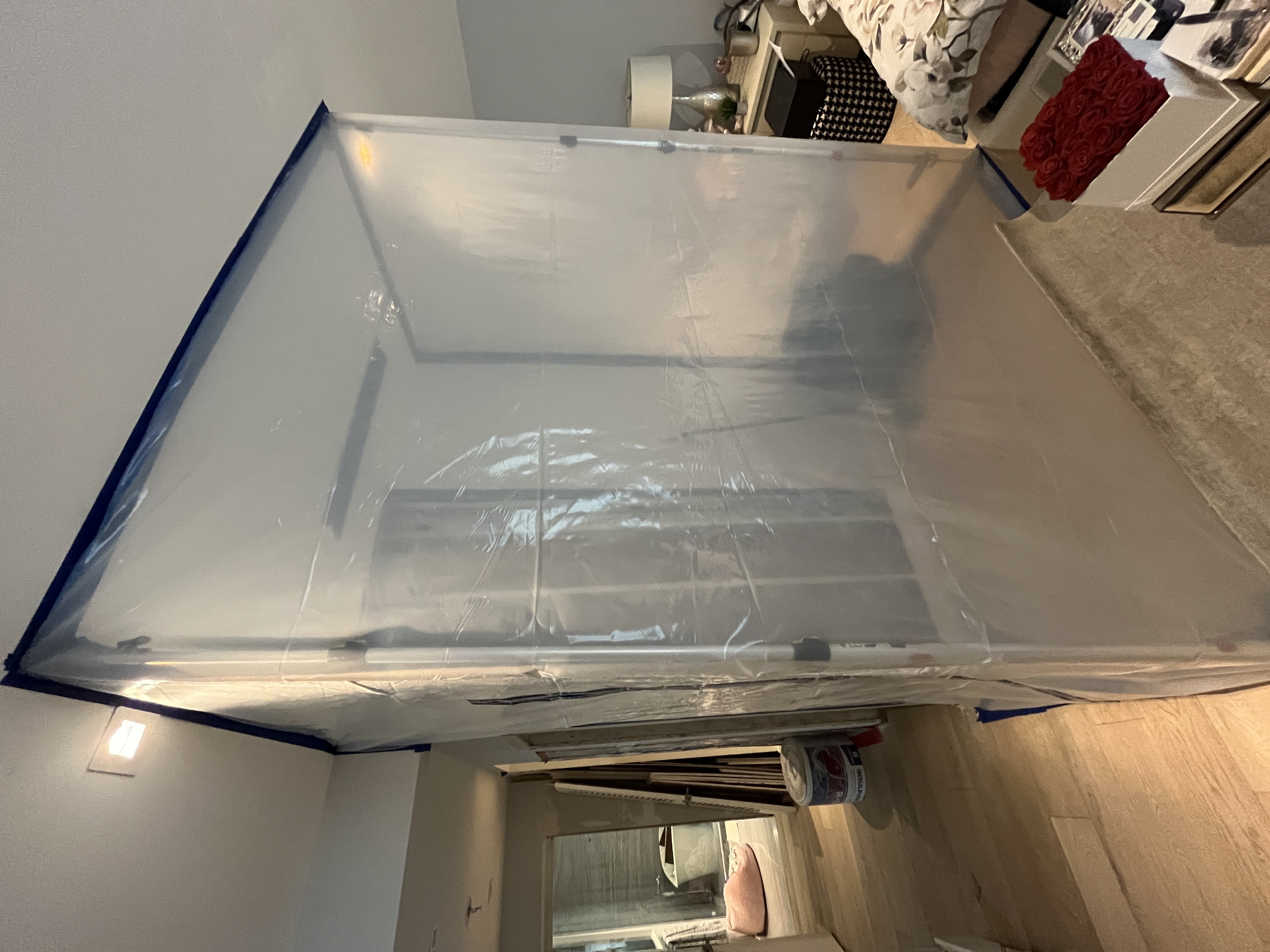
- Containment of affected areas
- Removal of contaminated materials
- Cleaning and treatment of structural surfaces
- HEPA filtration
- Structural drying
- Moisture verification
Containment prevents spores from spreading to unaffected areas.
Heavily damaged drywall or insulation may need removal.
Non-porous surfaces are cleaned and treated appropriately.
Drying continues until moisture readings confirm stability.
Skipping steps increases the likelihood of recurrence.
The Role of Humidity Control
Humidity is one of the most important factors in preventing future mold growth.
In Sunny Isles Beach, indoor humidity can rise quickly during:
- Rainy weeks
- Storm season
- Extended cloudy periods
Maintaining humidity below 60 percent is essential.
Dehumidifiers may be necessary during peak humidity months.
Opening windows often introduces more moisture rather than improving air circulation.
Controlled dehumidification supports long-term prevention.
HVAC Systems and Mold Recurrence
Air conditioning systems are central to moisture balance.
After mold remediation, HVAC systems should be evaluated for:
- Drain line blockages
- Dirty evaporator coils
- Damp duct insulation
- Airflow imbalance
If ducts contain moisture, spores may circulate throughout the property.
Routine servicing reduces condensation issues and supports stable humidity levels.
High-Rise Mold Considerations
In Sunny Isles Beach’s tall residential towers:
- Shared plumbing stacks can leak
- Vertical wall cavities allow moisture migration
- Lower units may be affected by upper-level failures
Coordination with building management may be necessary to correct underlying issues.
Without addressing shared structural components, mold may reappear.
Moisture detection in adjacent areas ensures the problem is fully resolved.
Slab Foundations and Perimeter Walls
In ground-level or townhome-style properties, slab foundations are common.
After heavy rain or king tides:
- Groundwater levels rise
- Moisture migrates upward
- Baseboards swell
- Carpet edges remain damp
Slab moisture spreads laterally before becoming visible.
Professional moisture testing confirms when concrete has fully dried.
Incomplete slab drying often leads to recurring mold along perimeter walls.
Preventative Maintenance Strategies
Mold remediation should always lead to prevention planning.
Property owners can reduce future risk by:
- Flushing AC condensate lines regularly
- Inspecting window and door seals annually
- Cleaning balcony drains
- Servicing HVAC systems
- Monitoring indoor humidity
- Scheduling periodic moisture inspections
In coastal environments, routine maintenance is the strongest defense against recurrence.
Salt Air and Material Deterioration
Salt exposure accelerates corrosion of:
- Window frames
- Fasteners
- HVAC components
- Plumbing fittings
Corrosion can create small openings where moisture enters.
Routine inspection of exterior materials prevents gradual structural vulnerability.
Addressing salt-related wear supports long-term mold prevention.
Recognizing Early Warning Signs
After remediation, property owners should watch for:
- Musty odor
- Peeling paint
- Discoloration along seams
- Elevated humidity
- Condensation on windows
Early signs should prompt moisture evaluation.
In humid climates, small warning signs rarely resolve on their own.
Why Delayed Response Leads to Bigger Problems
When moisture remains present:
- Mold spreads deeper into cavities
- Insulation becomes saturated
- Structural materials weaken
- Air quality declines
In South Florida’s climate, mold growth accelerates quickly.
Prompt inspection and corrective action limit repair scope.
Why Local Coastal Experience Matters
Mold remediation in Sunny Isles Beach requires understanding:
- Elevated humidity baselines
- Oceanfront construction design
- Slab foundation behavior
- High-rise plumbing systems
- Continuous AC usage
Restoration strategies designed for dry climates may not account for these environmental factors.
Tip Top Water and Fire Damage Restoration handles mold remediation with experience specific to coastal South Florida conditions.
Local knowledge ensures moisture sources are corrected — not just visible growth removed.
Long-Term Stability in a Humid Coastal Climate
Mold remediation is not the final step.
Long-term stability depends on:
- Moisture control
- HVAC maintenance
- Structural inspections
- Early response to leaks
- Routine humidity monitoring
Sunny Isles Beach offers beautiful waterfront living — but with that comes constant environmental moisture.
Preventing future mold problems requires proactive maintenance, structured drying, and informed inspection.
With proper remediation and consistent care, coastal properties can remain stable, dry, and resilient — even in South Florida’s most humid seasons.