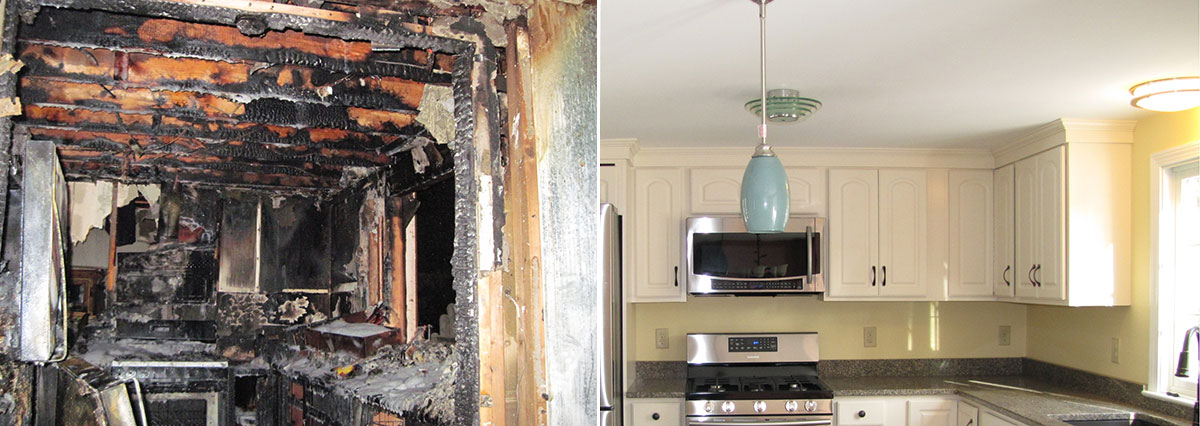
Understanding Fire Damage Restoration in Bal Harbour When Humidity Stays High for Weeks
Fire damage is always a stressful event for homeowners, but in coastal communities like Bal Harbour, Florida, the challenges extend beyond flames and smoke. High humidity levels, especially when they linger for weeks, can complicate fire restoration efforts and increase the risk of secondary damage. As local professionals at Tip Top Water and Fire Damage Restoration, we’ve seen firsthand how these conditions affect homes, and how proper restoration strategies can protect both property and health.
What Fire Damage Restoration Is
Fire damage restoration goes beyond simply cleaning soot or replacing burned materials. It’s a comprehensive process that addresses three primary areas:
- Structural integrity – fire can weaken beams, walls, and flooring, particularly in older homes or those built on slab foundations common in Bal Harbour.
- Smoke and soot removal – these residues can penetrate walls, carpets, ductwork, and AC systems, leaving persistent odors and chemical residues.
- Water and moisture mitigation – firefighting efforts, combined with Florida’s high humidity, can create lingering moisture problems, encouraging mold growth and wood rot if not addressed promptly.
Restoration is a careful combination of inspection, cleaning, drying, deodorization, and repair, tailored to the specifics of each property.
Why This Happens So Often in Bal Harbour
Bal Harbour homes are uniquely susceptible to complications during fire damage restoration due to several environmental factors:
- High coastal humidity – Florida’s summer months often maintain 70–90% relative humidity, and when prolonged, this moisture can saturate building materials even without rain.
- Storms and rain events – after a fire, even minor leaks from compromised roofs or windows can introduce additional water.
- Older AC systems – many local properties rely on air conditioning for comfort, but AC units that struggle with moisture control can exacerbate humidity problems after a fire.
- Salt-laden coastal air – this can accelerate corrosion in HVAC systems, ductwork, and metal fixtures damaged by fire or smoke.
Combined, these factors mean that a fire in Bal Harbour isn’t just about flames—it’s about managing a complex environment where moisture interacts with smoke, soot, and charred materials.
Common Signs Homeowners Notice
After a fire, residents may notice:
- Persistent smoke odor even after visible soot is cleaned
- Damp or musty smells in walls, attics, or crawl spaces
- Discoloration of walls, ceilings, or flooring due to smoke or water intrusion
- Warping, swelling, or soft spots in wood or laminate surfaces
- AC system distributing smoky or stale air throughout the home
These signs indicate that fire restoration requires more than surface cleaning. Moisture, hidden soot, and residual chemicals must be addressed to prevent long-term damage.
Hidden or Overlooked Sources
Homeowners often overlook areas where fire and moisture damage intersect:
- Attics and crawl spaces – high humidity can saturate insulation and wooden supports, causing hidden rot.
- Ductwork – smoke particles and moisture can linger, spreading odors and spores throughout the home.
- Wall cavities – soot can cling to drywall, and water used in firefighting can be trapped behind panels.
- Carpets and padding – absorb both smoke residues and moisture, creating a breeding ground for mold.
Identifying and treating these hidden sources is crucial for a complete restoration.
Why DIY Fire Restoration Usually Fails
Many homeowners attempt small-scale cleanup after a fire, but without professional expertise, these efforts often fall short:
- Incomplete soot removal – soot is fine and oily, and improper cleaning can smear it further or embed it into surfaces.
- Moisture mismanagement – high humidity combined with firefighting water can lead to mold growth if drying techniques are inadequate.
- Health risks – airborne smoke residues contain chemicals that can irritate eyes, lungs, and skin.
- Structural oversight – weakened supports or charred materials can go unnoticed, creating future hazards.
In Bal Harbour, where humidity exacerbates these challenges, professional intervention is almost always necessary to avoid long-term problems.
Professional Fire Damage Inspection & Testing Explained
At Tip Top Water and Fire Damage Restoration, we conduct a detailed inspection to assess:
- Extent of smoke and soot penetration – using moisture meters, thermal imaging, and visual inspection
- Structural integrity – examining beams, joists, and flooring for compromised strength
- HVAC and ductwork condition – checking for smoke, ash, or moisture accumulation
- Hidden moisture pockets – behind walls, under flooring, or in attics, which could lead to mold growth
This inspection informs a restoration plan tailored to the home’s specific damage and environmental conditions.
Proper Fire Damage Removal & Restoration Process
Once assessed, a professional fire restoration typically follows these steps:
- Safety measures – securing the home and ensuring structural stability
- Soot and smoke cleaning – HEPA vacuums, chemical sponges, and specialized cleaners
- Moisture drying – dehumidifiers, air movers, and controlled ventilation to manage Florida’s high humidity
- Odor removal – ozone or hydroxyl generators to neutralize smoke smells
- Repair and rebuild – replacing charred materials, refinishing surfaces, and restoring structural elements
Each step addresses both visible and hidden damage, ensuring the home is safe, functional, and odor-free.
Flood Restoration & Water Damage Repair
Fire restoration often overlaps with water damage repair:
- Firefighting water – hoses or sprinklers can saturate floors, walls, and furniture
- Rainwater intrusion – damaged roofs or windows may allow additional moisture
- Humidity retention – Florida’s coastal air slows natural drying, increasing the risk of mold
Professional water removal, drying, and humidity control are essential to prevent secondary damage and ensure a successful restoration outcome.
Air Ducts, AC Systems & Mold
High humidity and fire-related moisture create perfect conditions for mold in AC systems and ductwork. Proper restoration involves:
- Removing soot from duct interiors
- Cleaning and sanitizing coils and vents
- Running dehumidification cycles to restore safe humidity levels
- Inspecting condensate lines for blockages or leaks
Neglecting ductwork allows odors and microbial growth to continue circulating, undermining restoration efforts.
How to Prevent Mold in Bal Harbour Homes
After fire restoration, homeowners can take proactive steps to prevent mold:
- Maintain indoor humidity below 60% using dehumidifiers or AC
- Inspect roofs, windows, and attics for leaks
- Schedule routine AC and duct cleaning
- Remove wet materials promptly after storms or high-humidity events
- Keep ventilation pathways clear to reduce stagnant air
Preventing mold protects both property and long-term indoor air quality.
Why Local Experience Matters
Bal Harbour’s coastal environment presents unique challenges for fire damage restoration:
- Prolonged humidity and salt air accelerate deterioration
- Older homes often have hidden vulnerabilities in attics, crawl spaces, and slab foundations
- Local professionals understand seasonal storm patterns and how they affect moisture management
Experience matters because a one-size-fits-all approach doesn’t work here. Knowledge of the local climate, building types, and common problem areas ensures a more effective, lasting restoration.
Calm, Trust-Based Call to Action
Recovering from a fire in Bal Harbour is challenging, especially when high humidity persists for weeks. Proper restoration requires expertise, careful inspection, and attention to moisture, smoke, and structural integrity. Local professionals like Tip Top Water and Fire Damage Restoration provide the experience and knowledge to guide homeowners through this process, protecting property and peace of mind.