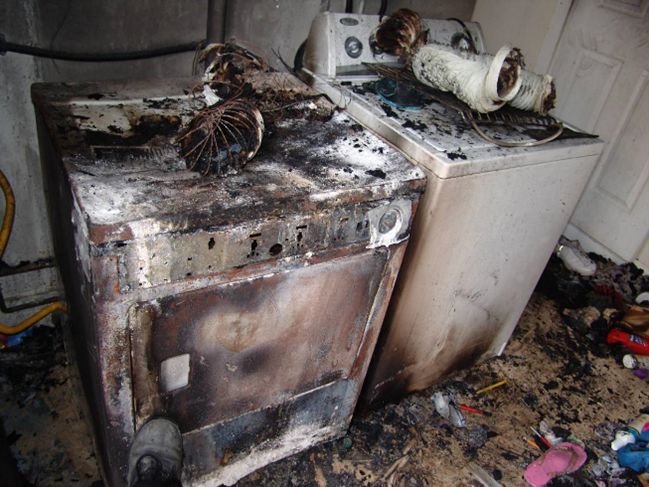
What Really Causes the Need for Fire Damage Restoration in North Miami
Fire damage is one of the most sudden and disruptive events a homeowner can experience. In North Miami, Florida, the situation is made more complex by the region’s unique environmental factors, including high humidity, seasonal storms, and the coastal salt air that affects building materials. Understanding what really causes the need for fire damage restoration is essential for homeowners, landlords, and property managers who want to protect their property and ensure a safe, healthy living environment. Tip Top Water and Fire Damage Restoration has extensive experience navigating these challenges, helping North Miami homes recover fully from fire-related incidents.
What Fire Damage Restoration Involves
Fire damage restoration is far more than cleaning up after a fire. It is a comprehensive process designed to restore the property to a safe and functional state. The key elements include:
- Structural Assessment and Repair – Fires can weaken the home’s framework. Beams, floor joists, and wall studs may require reinforcement or replacement, especially in older or coastal homes built on slab foundations.
- Smoke and Soot Removal – Smoke particles penetrate surfaces, including walls, carpets, ceilings, and ductwork. Soot is fine, oily, and often invisible until it spreads, leaving odors and residues.
- Moisture Mitigation – Fire suppression, whether from sprinklers, hoses, or extinguishers, leaves water behind. Coupled with North Miami’s high humidity, this moisture can cause mold, mildew, and structural deterioration.
A professional restoration process integrates inspection, cleaning, drying, deodorization, and repair. Each step addresses visible and hidden damage to prevent secondary issues.
Common Causes of Fire Damage in North Miami
Several specific factors contribute to fire incidents in North Miami homes:
- Electrical Issues – Faulty wiring, overloaded circuits, and malfunctioning appliances are frequent culprits. Older homes in particular may have outdated electrical systems prone to short-circuiting.
- Kitchen Accidents – Unattended cooking, grease fires, and appliance malfunctions can quickly escalate. Kitchens are one of the leading sources of residential fires in the area.
- HVAC and Air Conditioning Malfunctions – North Miami homes rely heavily on air conditioning due to heat and humidity. Malfunctions, short circuits, or overheating in AC units can spark fires.
- Candles and Open Flames – Candles, grills, and decorative fireplaces pose risks, especially in densely built neighborhoods or townhomes.
- Lightning and Storms – Florida’s frequent summer storms may cause electrical surges or lightning strikes, igniting fires in homes or nearby vegetation.
While these are direct causes, the region’s environmental factors often worsen the damage, making professional restoration necessary.
How High Humidity Complicates Fire Damage
North Miami experiences consistently high humidity, often exceeding 70% for prolonged periods. This affects fire-damaged homes in several ways:
- Slower Drying – Water used to fight fires remains trapped in walls, floors, and ceilings, extending drying times.
- Material Deterioration – Wood, drywall, and insulation may warp or soften under persistent moisture.
- Mold Risk – Lingering dampness fosters mold growth, particularly in attics, crawl spaces, and behind walls.
Humidity turns what might be a straightforward cleanup into a complex restoration project.
Signs a Home Needs Professional Fire Damage Restoration
After a fire, homeowners might notice several warning signs indicating the need for professional intervention:
- Lingering smoke odor despite surface cleaning
- Soot stains on walls, ceilings, or floors
- Warping or softening of wooden structures
- Damp or musty smells indicating hidden moisture
- Smoke particles in HVAC ducts spreading odor throughout the home
Ignoring these signs can lead to long-term damage and increased restoration costs.
Hidden Sources of Fire Damage
Fire damage is often more than meets the eye. Many areas of a home may harbor hidden damage:
- Attics and Crawl Spaces – Moisture trapped from firefighting or high humidity can saturate insulation and wood, causing hidden mold growth.
- Ductwork and HVAC Systems – Smoke, soot, and moisture can accumulate inside ducts, circulating odors and potentially hazardous particles.
- Wall Cavities – Fire suppression water can seep behind drywall, saturating structural materials and encouraging mold.
- Carpets, Rugs, and Upholstery – Porous materials absorb smoke and water, requiring professional cleaning or replacement.
Professional restoration addresses these hidden sources to prevent ongoing damage.
Why DIY Fire Cleanup Often Fails
Many homeowners attempt small-scale cleaning after a fire, but these efforts rarely resolve the full scope of damage:
- Incomplete Soot Removal – Soot is oily and fine, requiring specialized cleaning; improper methods smear residues or embed them deeper.
- Poor Moisture Management – Without professional drying equipment, residual water and high humidity can lead to mold growth.
- Chemical Exposure – Smoke contains irritating compounds; improper handling exposes residents to potential health risks.
- Structural Oversight – Fire can weaken beams and joists; DIY inspection often misses these hazards.
In North Miami, high humidity exacerbates these risks, making professional restoration essential.
Professional Fire Damage Inspection & Testing
Restoration experts follow a detailed inspection process:
- Structural Assessment – Examining support beams, flooring, and ceilings for damage
- Smoke and Soot Penetration – Determining which surfaces and materials are affected
- Moisture Detection – Using thermal imaging and moisture meters to locate residual water
- HVAC System Evaluation – Checking ducts and AC systems for smoke and moisture contamination
These evaluations inform a comprehensive restoration plan tailored to each home’s needs.
Fire Damage Restoration Process
A professional fire restoration typically includes:
- Safety and Stabilization – Securing the property and ensuring structural safety
- Soot and Smoke Removal – Specialized cleaning of walls, ceilings, furniture, carpets, and ductwork
- Moisture Drying – Dehumidifiers, air movers, and controlled ventilation manage residual water and humidity
- Odor Neutralization – Ozone or hydroxyl treatments remove smoke odors
- Repair and Rebuilding – Replacing damaged materials, refinishing surfaces, and restoring structural elements
This systematic approach ensures a home is fully restored, safe, and free of lingering damage.
Overlapping Water Damage and Moisture Management
Fire restoration often overlaps with water damage management because:
- Firefighting water saturates floors, walls, and furniture
- Florida’s humid climate slows drying and retention of moisture
- Poor ventilation in attics and crawl spaces increases mold risk
Professional drying, dehumidification, and moisture monitoring are crucial in North Miami homes.
Air Ducts, AC Systems, and Mold Prevention
AC systems and ductwork are particularly vulnerable:
- Smoke and moisture residues can cling to vents, coils, and ducts
- Mold can develop in damp ducts if left untreated
- Professional cleaning restores air quality and eliminates lingering odors
Proper attention to HVAC systems is critical for a complete restoration.
Preventing Future Fire and Moisture Damage
Homeowners can reduce risks by:
- Maintaining electrical systems and installing surge protection
- Regular AC and duct inspections
- Controlling indoor humidity below 60%
- Addressing leaks and minor water damage promptly
- Using fire-resistant building materials when possible
Preventative measures protect both property and health.
Why Local Experience Matters
North Miami’s environment adds complexity:
- High humidity prolongs drying times and increases mold risk
- Coastal air accelerates deterioration and corrosion
- Older homes often have hidden vulnerabilities
Local restoration professionals understand these factors and tailor strategies to achieve safe, lasting results.
Calm, Trust-Based Call to Action
Fire damage in North Miami is rarely limited to visible flames. Smoke, water, and humidity all contribute to complex restoration needs. Professional intervention ensures that homes are fully inspected, dried, cleaned, and repaired, addressing both obvious and hidden damage. Local experts like Tip Top Water and Fire Damage Restoration provide the knowledge, experience, and equipment necessary to restore North Miami homes safely and effectively.