
What Really Causes the Need for AC Moisture Repair in North Miami
In North Miami, air conditioning systems don’t get much of a break.
They run most of the year — not just to cool the air, but to manage humidity. In a coastal environment influenced by Biscayne Bay, moisture control is just as important as temperature control. When AC systems start creating moisture problems instead of preventing them, small issues can turn into drywall damage, mold growth, and structural deterioration.
AC moisture repair in North Miami is rarely about one dramatic failure. It’s usually the result of ongoing environmental pressure combined with maintenance gaps.
Understanding the real causes behind AC-related moisture problems helps homeowners prevent repeat damage.
Why AC Systems Work Harder in North Miami
Several environmental factors place additional strain on AC systems:
- High year-round humidity
- Salt air exposure
- Heavy seasonal rain
- Continuous operation
- Warm attic temperatures
- Coastal air infiltration
Unlike dry inland climates, North Miami’s humidity requires AC systems to remove large amounts of moisture daily. That moisture collects in condensate systems and must drain properly.
When even one component fails, water can accumulate quickly.
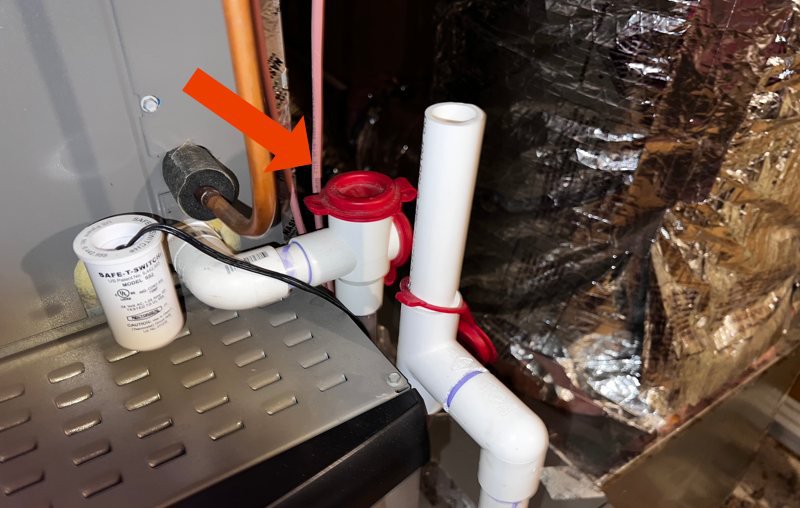
The Most Common Cause: Clogged Condensate Drain Lines
Air conditioners remove humidity by condensing moisture from the air.
That condensation drains through a small line connected to the system.
In North Miami homes, condensate drain lines frequently clog due to:
- Algae growth
- Dust buildup
- Debris accumulation
- Improper slope in the drain line
When the line clogs, water backs up into:
- Ceiling cavities
- Air handler closets
- Interior walls
Homeowners may first notice:
- Water stains near vents
- Dripping from ceiling areas
- Musty odor
Because AC systems run daily, overflow can continue unnoticed for weeks.
Tip Top Water and Fire Damage Restoration often identifies clogged drain lines as the root cause of ceiling and drywall moisture damage in North Miami properties.
Secondary Drain Pan Failures
Most AC systems include a secondary drain pan beneath the air handler.
In humid climates, this pan may:
- Rust due to salt exposure
- Crack over time
- Overflow if not monitored
If the primary drain line clogs and the secondary pan fails, water may leak directly into ceilings.
In multi-story homes and condos near North Miami Beach and Miami Shores, this can affect units below.
Routine inspection prevents unnoticed pan deterioration.
Dirty Evaporator Coils and Restricted Airflow
When airflow is restricted due to:
- Dirty filters
- Blocked vents
- Dust accumulation
evaporator coils may freeze.
When frozen coils thaw, excess water can overwhelm the drainage system.
Restricted airflow is a common but overlooked contributor to AC moisture problems.
Regular filter changes reduce strain on the system.
Improper AC Installation or Oversizing
In some North Miami homes, AC systems are oversized.
An oversized system cools air quickly but does not run long enough to remove adequate humidity.
This leads to:
- Elevated indoor moisture
- Condensation on vents
- Persistent dampness
Improper installation may also cause:
- Poorly sloped drain lines
- Loose connections
- Inadequate insulation around ductwork
These factors increase the likelihood of moisture repair needs.
Ductwork Condensation in Humid Climates
In coastal areas, ductwork running through attics or crawl spaces may experience condensation.
Warm attic air combined with cold ducts creates surface moisture.
If duct insulation deteriorates due to salt air exposure, condensation may drip onto:
- Ceiling drywall
- Insulation
- Framing
Over time, this leads to staining and mold growth.
Inspection of attic ductwork is often part of AC moisture repair in North Miami homes.
Slab Foundations and AC Closet Placement
Many homes in North Miami and Biscayne Park are built on concrete slabs.
Air handler units are often located in interior closets.
If condensate drains leak near slab foundations, moisture may:
- Spread beneath flooring
- Swell baseboards
- Contribute to mold growth
Because slab moisture spreads laterally, the problem may appear far from the AC unit.
Moisture detection tools confirm the full extent of damage.
Salt Air Corrosion of AC Components
North Miami’s proximity to Biscayne Bay exposes HVAC systems to salt air.
Salt accelerates corrosion of:
- Drain pans
- Metal fittings
- Fasteners
- Coil components
Corroded components are more likely to fail and leak.
Routine inspection of HVAC systems in coastal areas reduces the need for major repairs.
Signs That AC Moisture Repair Is Needed
Homeowners should watch for:
- Water stains near vents
- Peeling paint on ceilings
- Soft drywall around AC closets
- Musty odor
- Dripping sounds inside walls
- Increased indoor humidity
Even minor discoloration may indicate ongoing condensation issues.
In humid climates, small leaks rarely resolve on their own.
Why Quick Action Matters
In North Miami’s warm, humid environment, mold can begin developing within 48–72 hours after moisture exposure.
Delayed AC moisture repair may lead to:
- Mold growth inside wall cavities
- Structural weakening
- Insulation damage
- Odor that returns during rainy periods
Early inspection and moisture mapping limit repair scope.
Structured drying ensures affected materials return to safe moisture levels.
Preventative Maintenance to Avoid Future Problems
Preventing AC moisture repair begins with consistent care.
Homeowners should:
- Flush condensate drain lines annually
- Replace filters regularly
- Inspect secondary drain pans
- Service AC systems before peak summer months
- Monitor indoor humidity
- Inspect attic duct insulation
In coastal climates, preventative maintenance reduces unexpected water damage.
High-Rise Condo Considerations
In nearby Aventura and Sunny Isles Beach, high-rise condos present additional challenges.
Condensate lines may connect to shared drainage systems.
Leaks in upper units can affect lower floors.
Coordination with building management is often necessary.
Moisture detection ensures that shared wall cavities are fully evaluated.
Why Local Experience Matters
AC moisture repair in North Miami requires understanding:
- Elevated humidity baselines
- Salt air exposure
- Slab foundation behavior
- Continuous AC operation
- Coastal construction design
Restoration strategies used in dry inland cities may not address these environmental pressures.
Tip Top Water and Fire Damage Restoration approaches AC moisture repair with experience specific to South Florida’s coastal conditions.
Local expertise ensures both visible damage and hidden moisture are addressed.
Moisture Control Is the Real Goal
Air conditioning systems in North Miami do more than cool homes — they manage humidity.
When components fail, moisture accumulates quietly.
Understanding the true causes of AC moisture problems allows property owners to move beyond surface repairs and focus on prevention.
With regular maintenance, prompt inspection, and structured drying when needed, AC-related moisture damage can be corrected before it becomes a larger structural issue.
In a humid coastal city, moisture is constant — but damage does not have to be.