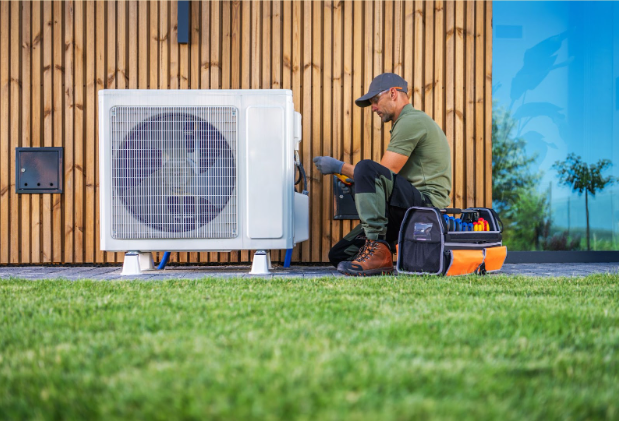
Property Maintenance Insights: AC Moisture Repair in Sunny Isles Beach
Maintaining a home in Sunny Isles Beach comes with unique challenges, particularly when it comes to air conditioning systems and the moisture issues they can create. Florida’s coastal environment, with its high humidity, frequent storms, and salty air, makes AC maintenance more than just routine—it’s a critical part of preventing property damage and protecting indoor air quality. At Tip Top Water and Fire Damage Restoration, we frequently see the impact of neglected AC moisture issues on homes in Sunny Isles Beach and nearby coastal neighborhoods, and we know how proper repair and maintenance can prevent long-term problems.
What AC Moisture Repair Involves
AC moisture repair focuses on identifying and correcting problems that allow water to accumulate or improperly drain from air conditioning systems. While air conditioning is essential for comfort in Sunny Isles Beach, it can also be a source of moisture-related damage if not properly maintained. Key areas include:
- Condensate Drain Issues – AC units produce condensation during operation. Blocked or improperly sloped drain lines can lead to water backup and leaks.
- Coil and Pan Problems – Evaporator coils and drip pans can corrode or become clogged, allowing water to overflow into living spaces.
- Air Duct Moisture – Excess humidity in ducts can create mold growth and reduce indoor air quality.
- HVAC System Leaks – Refrigerant leaks or poorly sealed systems may cause excessive condensation, compounding moisture problems.
Proper repair addresses both the symptoms and underlying causes, ensuring the AC system operates efficiently while protecting the home from water damage.
Why AC Moisture Issues Are Common in Sunny Isles Beach
Several factors make AC moisture problems particularly prevalent in Sunny Isles Beach:
- High Coastal Humidity – The oceanfront environment maintains 70–90% relative humidity for much of the year, saturating air and HVAC components.
- Frequent Storms – Seasonal storms can spike humidity levels and introduce additional moisture into homes.
- Salt-Laden Air – Coastal salt accelerates corrosion in metal components, including drip pans, coils, and ductwork.
- Older Systems – Many homes and condos have aging AC units that struggle with drainage or condensation management.
- Complex Multi-Level Homes – High-rise condos and multi-story residences often have AC systems in attics or utility closets where leaks are difficult to detect early.
Combined, these conditions create an environment where minor AC issues can quickly escalate into significant moisture problems affecting floors, walls, and indoor air quality.
Common Signs Homeowners Notice
Homeowners experiencing AC moisture issues often observe:
- Visible water pooling around the AC unit or near vents
- Damp spots or discoloration on ceilings or walls
- Musty odors, particularly when the AC first runs
- Condensation dripping from vents or duct connections
- Reduced airflow or fluctuating temperatures due to coil or drainage problems
Recognizing these signs early can prevent extensive property damage and costly repairs.
Hidden or Overlooked Sources of Moisture
Many AC-related moisture problems remain hidden until they cause secondary damage:
- Ductwork Condensation – Humid air can condense inside poorly insulated ducts, leading to mold growth.
- Attic and Crawl Space Leaks – AC units installed in attics or crawl spaces may drip water onto insulation, wood framing, or stored items.
- Drip Pan Corrosion – Slow leaks from corroded pans may go unnoticed, saturating surrounding materials over time.
- Coil Ice or Blockage – Frozen or clogged coils can melt rapidly, causing water overflow in unexpected areas.
Professional inspection identifies these hidden issues before they become costly repairs.
Why DIY AC Moisture Repairs Often Fail
While some homeowners attempt simple fixes, DIY efforts rarely address the root cause:
- Temporary Solutions – Pouring bleach or vinegar down the drain line may clear clogs temporarily but doesn’t prevent recurring buildup or corrosion.
- Hidden Mold Risk – Moisture behind walls or in ducts can lead to mold growth that isn’t addressed without professional equipment.
- System Damage – Improper handling of coils, refrigerant lines, or electrical components can cause further AC malfunction.
- Missed Structural Damage – Water intrusion may compromise floors, ceilings, or insulation if left untreated.
In Sunny Isles Beach, where humidity exacerbates moisture retention, professional AC moisture repair is the most reliable way to protect both the system and the home.
Professional AC Moisture Inspection & Testing
Tip Top Water and Fire Damage Restoration uses advanced techniques to assess moisture problems in AC systems:
- Moisture Meters and Thermal Imaging – Detect hidden water in walls, floors, and ducts.
- Drain Line Evaluation – Ensure proper slope and clearance to prevent backup.
- Coil and Pan Inspection – Check for corrosion, clogs, or overflow risks.
- Ductwork Assessment – Identify condensation or microbial growth inside air distribution systems.
- Humidity Monitoring – Evaluate indoor humidity levels to ensure proper AC performance and comfort.
A thorough inspection ensures both visible and hidden issues are addressed.
Proper AC Moisture Repair Process
A professional repair typically involves several steps:
- Clearing Blockages – Cleaning condensate lines, pans, and drains to restore proper flow
- Coil Maintenance – Cleaning and straightening coils to improve efficiency and prevent ice buildup
- Leak Repair – Sealing ductwork, addressing refrigerant leaks, and correcting system gaps
- System Optimization – Adjusting airflow, insulation, and humidity settings to reduce condensation
- Post-Repair Moisture Control – Dehumidification and monitoring to ensure the environment remains safe and dry
This process protects the home from water damage, mold growth, and system inefficiency.
How AC Moisture Issues Impact Property
Left unresolved, moisture from AC systems can cause serious problems:
- Mold and Mildew – Promotes unhealthy indoor air and can damage walls, ceilings, and insulation.
- Wood Rot and Flooring Damage – Persistent moisture weakens wood, laminate, and subflooring.
- Odor and Air Quality Issues – Musty smells and airborne particulates reduce comfort and safety.
- Structural Compromise – Saturated framing, ceilings, or attics may require expensive restoration if neglected.
Timely professional intervention minimizes these risks and preserves property value.
Preventing AC Moisture Problems in Sunny Isles Beach Homes
Homeowners can take proactive steps:
- Schedule regular AC maintenance and inspections
- Keep condensate drains and pans clean and clear
- Maintain indoor humidity below 60% using AC and dehumidifiers
- Ensure ductwork is properly insulated and sealed
- Address minor leaks or damp spots promptly before they spread
Preventive care is especially important in coastal environments, where humidity and salt air accelerate deterioration.
Why Local Experience Matters
Sunny Isles Beach’s coastal conditions make local expertise essential:
- Technicians understand the impact of high humidity and storm-related water intrusion
- Knowledge of common AC installation layouts in condos, single-family homes, and multi-story residences improves detection and repair
- Familiarity with Florida building materials and local property vulnerabilities ensures restoration is thorough and long-lasting
Local experience ensures a reliable repair process that protects both the AC system and the home.
Calm, Trust-Based Call to Action
AC moisture issues in Sunny Isles Beach can lead to hidden damage, mold growth, and costly repairs if left unchecked. Proper inspection, repair, and preventive maintenance protect homes, improve air quality, and extend the life of AC systems. Professionals like Tip Top Water and Fire Damage Restoration provide the knowledge, tools, and experience to address AC moisture problems effectively, ensuring homes remain safe, comfortable, and resilient against Florida’s coastal humidity.