
Understanding Mold Remediation in North Miami After Storm Surge
Storm surge events are an unfortunate reality for coastal communities, and North Miami is no exception. When powerful storms push water inland from Biscayne Bay and nearby waterways, homes and condominiums can experience sudden flooding, often without heavy rainfall being the primary cause. While many homeowners focus on visible water damage after a surge, the more serious issue often appears later: mold growth.
Storm surge flooding introduces large amounts of moisture into homes, and in South Florida’s warm climate, mold can begin growing within days if materials are not properly dried. Understanding how mold remediation works after storm surge events helps North Miami homeowners protect their properties and avoid long-term indoor air quality problems.
Acting early after flooding makes recovery far more manageable.
How Storm Surge Leads to Mold Problems
Storm surge water often enters homes quickly through doors, garages, and ground-level openings. Once inside, water spreads into carpets, drywall, insulation, cabinets, and flooring systems.
Even after standing water is removed, moisture frequently remains trapped inside structural materials. Walls, ceilings, and flooring may appear dry while hidden dampness continues behind surfaces.
Because North Miami experiences high humidity year-round, trapped moisture dries slowly. Within 24 to 48 hours, mold spores begin growing on damp materials, especially in concealed areas. By the time homeowners notice odors or staining, contamination may already be widespread.
This is why mold remediation often becomes necessary after surge flooding.
Why North Miami Homes Face Greater Risk
North Miami’s proximity to Biscayne Bay, canals, and coastal waterways makes it particularly vulnerable to surge flooding. Low elevations in some neighborhoods allow water to move inland quickly during storms.
Additionally, many homes rely heavily on air conditioning, which produces condensation. After flooding, AC systems may struggle to remove humidity fast enough, allowing moisture to linger inside building materials.
Older homes sometimes have construction features that allow water intrusion through foundations or exterior walls, while newer properties may still experience moisture retention due to sealed construction trapping humidity inside.
Because these environmental factors persist after storms, mold problems frequently follow surge events.
Signs Mold May Be Developing After Flooding
After storm surge events, mold problems often begin quietly. Homeowners commonly notice warning signs weeks after flooding, including:
Musty or damp smells indoors
Dark stains appearing on walls or ceilings
Peeling paint or bubbling drywall
Damp or humid indoor air
Mold spots forming inside closets or cabinets
Warped or damaged flooring
These symptoms indicate moisture remains trapped somewhere in the home, allowing mold to spread.
Prompt inspection helps prevent contamination from becoming extensive.
Hidden Moisture Sources Often Missed
Even when flood cleanup appears complete, moisture often remains in hidden areas. Professional inspections in North Miami homes frequently uncover:
Wet insulation inside walls
Moisture trapped beneath tile or laminate flooring
Damp cabinetry after flooding
Water inside ceiling cavities
Moisture in HVAC duct systems
Because these areas are concealed, mold can spread significantly before homeowners realize contamination exists.
Proper remediation addresses both visible mold and hidden moisture.
Why DIY Cleanup After Flooding Often Fails
Some homeowners attempt cleanup themselves after flooding, using household fans or cleaners. While this may remove visible dirt or stains, it rarely eliminates moisture inside structural materials.
Surface cleaning does not remove mold embedded in drywall or insulation. Disturbing mold during DIY cleaning can also spread spores throughout the home.
Without professional drying and containment procedures, mold often returns after cleanup efforts.
Professional remediation ensures mold is safely removed and moisture sources corrected.
Professional Mold Inspection and Assessment
The mold remediation process begins with a detailed inspection. Specialists evaluate both visible mold growth and hidden moisture conditions throughout the property.
Moisture meters and thermal imaging equipment help detect damp areas behind walls and beneath flooring. Inspectors also check ventilation systems and air conditioning components, as these often become involved in post-flood moisture problems.
Air sampling or surface testing may confirm contamination levels when necessary. Inspection ensures remediation addresses the true extent of mold growth.
Correct assessment prevents mold from returning after cleanup.
The Mold Remediation Process Step by Step
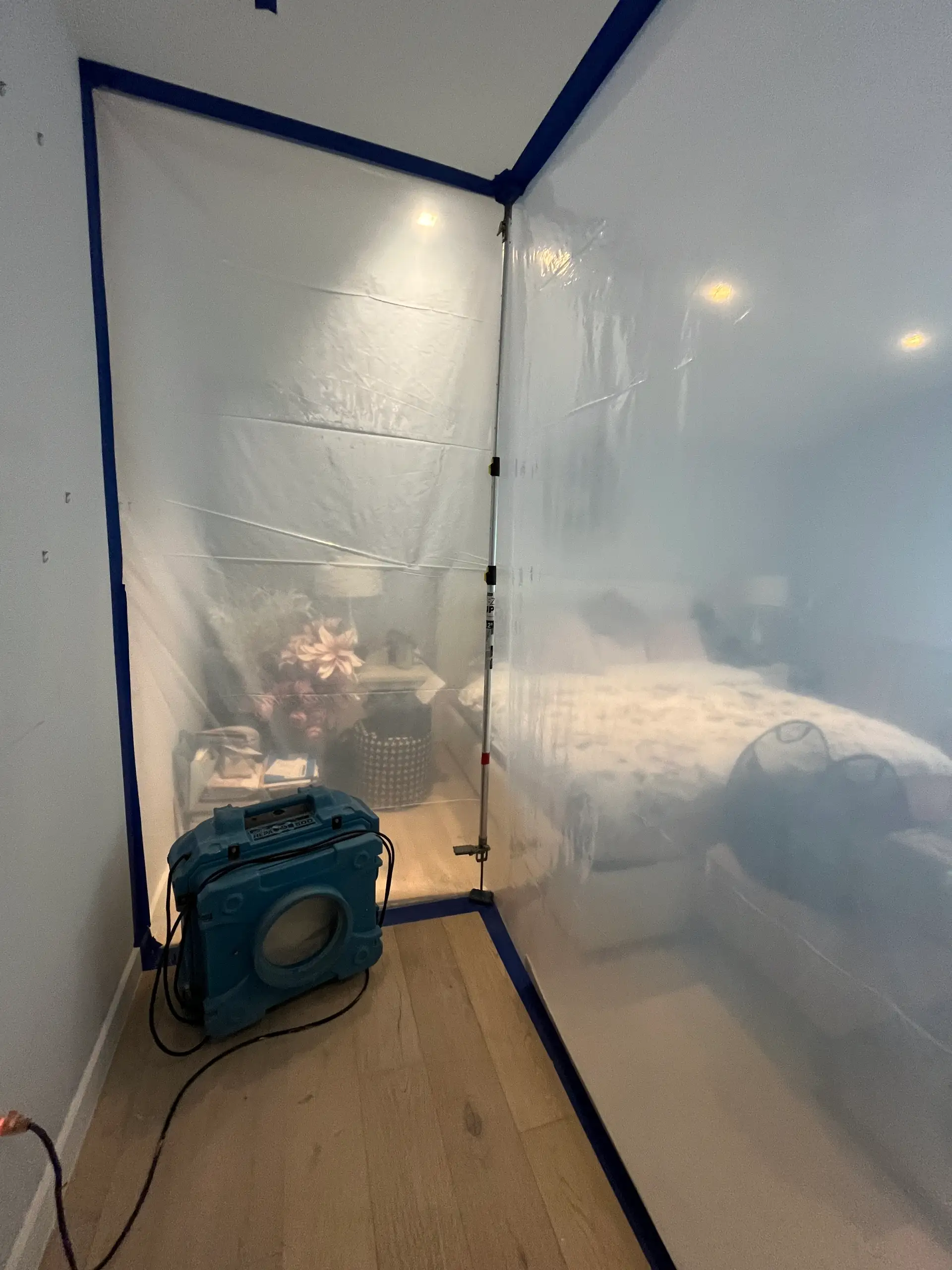
Once inspection is complete, remediation begins with containment. Plastic barriers and air filtration systems isolate affected areas, preventing mold spores from spreading during removal.
Contaminated materials such as drywall, insulation, or carpet padding may need removal if mold has penetrated deeply. Surfaces that can be restored are cleaned using professional antimicrobial treatments.
After removal, drying equipment eliminates remaining moisture. Industrial air movers and dehumidifiers operate until materials return to safe moisture levels.
Finally, repairs restore areas where materials were removed, returning the home to normal condition.
Companies like Tip Top Water and Fire Damage Restoration regularly assist North Miami homeowners recovering from storm surge events, guiding them through remediation and restoration safely.
How Flood Restoration and Mold Remediation Work Together
Flood restoration and mold remediation often occur together after storm surge events. Water removal and drying reduce mold risk, but when moisture remains hidden, mold frequently develops later.
Proper restoration includes extraction, drying, sanitization, and moisture monitoring. If mold has already formed, remediation ensures contamination is removed before repairs are completed.
Addressing both water damage and mold risks prevents recurring problems.
HVAC Systems and Mold Spread After Flooding
Air conditioning systems frequently contribute to post-flood mold problems. Moisture entering ducts or air handlers can spread spores throughout the home when the system operates.
During remediation, HVAC systems are inspected to determine whether cleaning or repairs are needed. Wet duct insulation may require replacement to prevent odors and contamination.
Maintaining HVAC systems after flooding helps prevent recurring mold growth.
Preventing Mold Problems After Storm Surge Events
While storm surge events cannot be avoided entirely, homeowners can reduce mold risks by acting quickly after flooding.
Preventive steps include:
Scheduling professional drying after water intrusion
Monitoring humidity levels indoors
Repairing leaks immediately
Inspecting homes after storms
Maintaining AC systems and drainage lines
Using dehumidifiers during humid periods
Early moisture control significantly reduces remediation needs later.
Why Local Experience Matters in Coastal Remediation
Mold behavior in coastal environments differs from inland regions. Professionals familiar with North Miami understand how local building designs, humidity patterns, and flood risks influence moisture problems.
Local expertise allows remediation teams to identify common trouble spots quickly and recommend solutions suited to coastal homes.
Tip Top Water and Fire Damage Restoration frequently works with homeowners across North Miami and nearby communities facing mold concerns after flooding events unique to coastal living.
A Practical Path Forward for Homeowners
Storm surge flooding is stressful, but understanding mold remediation helps homeowners move forward confidently. Professional inspection, safe cleanup, and proper drying restore indoor environments while preventing future contamination.
With early action and ongoing maintenance, North Miami residents can protect their homes even after severe storms. Mold remediation, when handled correctly, becomes part of recovery rather than a long-term burden.
Proactive moisture management ensures homes remain safe, comfortable, and resilient despite coastal challenges.